
Sepsis is a life-threatening condition characterized by a dysregulated host response to infection, leading to systemic inflammation, multi-organ dysfunction, and, in severe cases, death. One of the critical pathophysiological hallmarks of sepsis is microcirculatory dysfunction, which plays a pivotal role in tissue hypoxia and organ failure [1]. The microcirculation comprises small blood vessels, including arterioles, capillaries, and venules, responsible for oxygen delivery and metabolic exchange at the cellular level [2]. In sepsis, widespread endothelial activation, increased vascular permeability, and impaired autoregulation disrupt normal microvascular perfusion, exacerbating cellular distress and metabolic imbalance [3].
Microcirculatory alterations in sepsis are driven by complex interactions between inflammatory mediators, coagulation disturbances, and endothelial dysfunction. Inflammatory cytokines such as TNF-α, IL-6, and IL-1β induce endothelial cell activation, promoting leukocyte adhesion and microvascular thrombosis [4,5]. Additionally, nitric oxide (NO) dysregulation contributes to an imbalance between vasodilation and vasoconstriction, further impairing tissue perfusion [6].
From a diagnostic perspective, bedside techniques such as sublingual videomicroscopy and sidestream dark-field imaging (SDF) have emerged as valuable tools for assessing microcirculatory abnormalities in critically ill patients with sepsis [7]. These imaging modalities allow real-time visualization of capillary flow, providing essential insights into the extent of microvascular dysfunction and guiding therapeutic interventions. Advanced imaging approaches, including contrast-enhanced ultrasound (CEUS) and near-infrared spectroscopy (NIRS), offer additional perspectives on micro-circulatory heterogeneity and oxygenation deficits in septic patients [8,9].
Understanding microcirculatory impairments in sepsis is crucial for developing targeted therapeutic strategies aimed at restoring tissue perfusion and mitigating organ dysfunction [10]. Recent research has explored the potential benefits of fluid resuscitation strategies, vasoactive agents, and adjunctive therapies such as corticosteroids and endothelial-targeted interventions in optimizing microvascular function.
The pathophysiological mechanisms underlying microcirculatory dysfunction in sepsis are complex and involve a cascade of inflammatory, coagulative, and endothelial disturbances that ultimately lead to impaired oxygen delivery and tissue hypoxia [11].
Microcirculatory impairment is a defining feature of sepsis, characterized by altered capillary perfusion, increased heterogeneity in blood flow, and endothelial dysfunction [12]. Unlike systemic hemodynamic failure, which is typically reflected in macrovascular changes (e.g., hypotension), sepsis-related microcirculatory alterations occur independently of blood pressure changes and directly contribute to organ failure [13].
Inflammation plays a central role in disrupting microcirculatory homeostasis. The excessive release of proinflammatory cytokines such as TNF-α, IL-6, and IL-1β leads to endothelial activation, increased vascular permeability, and leukocyte adhesion to the endothelium [14]. This inflammatory cascade results in endothelial swelling, capillary plugging by activated leukocytes, and microthrombi formation, all of which impede oxygen diffusion and exacerbate tissue hypoxia [15]. Additionally, dysregulated nitric oxide (NO) production contributes to vascular tone abnormalities, creating an imbalance between vasodilation and vasoconstriction that further disrupts blood flow distribution at the microvascular level [16].
From a structural perspective, capillary rarefaction and endothelial glycocalyx degradation are key pathological features of microcirculatory dysfunction in sepsis. The glycocalyx, a protective layer covering endothelial cells, plays a crucial role in vascular permeability and mechanotransduction [17]. In sepsis, glycocalyx breakdown due to enzymatic degradation (by heparanase and matrix metalloproteinases) results in increased vascular leakage, impaired shear stress sensing, and loss of anticoagulant properties, contributing to sepsis-induced coagulopathy (SIC) [18].
Endothelial dysfunction in sepsis is a result of direct cellular injury, oxidative stress, and immune activation. Endothelial cells, which normally maintain vascular homeostasis through the balanced release of vasoactive substances, become dysregulated, shifting towards a pro-inflammatory and pro-thrombotic phenotype [19].
One of the key mechanisms involved in endothelial dysfunction is increased expression of adhesion molecules such as ICAM-1, VCAM1, and selectins, which facilitate leukocyte adhesion and transmigration into tissues, further amplifying inflammation [20]. This process leads to capillary plugging and increased diffusion distance for oxygen, creating a mismatch between oxygen delivery and cellular demand [21].
At the same time, mitochondrial dysfunction in endothelial cells exacerbates metabolic failure, reducing the ability of microvascular endothelial cells to regulate vascular tone and respond to local oxygen needs appropriately [22]. The resulting endothelial metabolic shutdown contributes to an irreversible cycle of hypoxia, organ dysfunction, and cellular apoptosis in severe sepsis cases [23].
Sepsis-induced coagulopathy (SIC) is a well-recognized phenomenon in which systemic inflammation disrupts the balance between coagulation and fibrinolysis, leading to widespread microthrombosis and perfusion defects [24]. The overactivation of the coagulation cascade is primarily driven by excessive tissue factor (TF) expression, leading to thrombin generation, platelet aggregation, and fibrin deposition within the microcirculation [25].
Additionally, antithrombotic mechanisms become suppressed due to reduced production of key anticoagulant proteins such as antithrombin, protein C, and thrombomodulin, further promoting a prothrombotic state [26]. The resulting microvascular thrombosis impairs capillary perfusion, leading to local ischemia, tissue necrosis, and multi-organ failure in severe septic shock cases [27].
Furthermore, fibrinolytic dysfunction exacerbates these complications. Sepsis induces the release of plasminogen activator inhibitor1 (PAI-1), which suppresses fibrinolysis and prevents the clearance of microthrombi, further worsening microvascular obstruction
[28]. This shift towards a hypercoagulable state with impaired clot resolution represents a critical therapeutic target in sepsis management.
The long-term impact of microvascular dysfunction in sepsis extends beyond the acute phase of the disease. Persistent endothelial damage and capillary loss contribute to post-sepsis syndrome, characterized by prolonged inflammation, immune suppression, and residual organ dysfunction [29]. Chronic microvascular dysfunction has been linked to long-term cognitive impairment, cardiovascular complications, and persistent fatigue in sepsis survivors [30].
From a therapeutic standpoint, interventions targeting endothelial protection, micro-vascular flow optimization, and early coagulation modulation have shown promise in experimental and clinical studies [31]. Strategies such as glycocalyx preservation (e.g., fluid therapy with albumin, heparan sulfate analogs), endothelial stabilizing agents (e.g., steroids, angiopoietin modulators), and anticoagulant therapy in select patient populations are under investigation for their potential to mitigate sepsis-induced microvascular injury [32].
The prevalence of microcirculatory dysfunction in sepsis varies depending on disease severity, patient population, and the diagnostic techniques used. Studies using sublingual videomicroscopy and sidestream dark-field (SDF) imaging have shown that nearly 90% of patients with septic shock exhibit significant microvascular abnormalities, including reduced capillary density, increased flow heterogeneity, and impaired oxygen extraction [33,34]. Even in patients with less severe sepsis, microcirculatory alterations are observed in approximately 50–70% of cases, highlighting the early involvement of the microvasculature in disease progression [35].
The extent of microcirculatory dysfunction is closely linked to the severity of sepsis. In its early stages, microvascular perfusion changes may be subtle while overall hemodynamics remain stable. As sepsis advances to septic shock, severe capillary perfusion defects become more pronounced, leading to increased lactate levels, tissue hypoxia, and multi-organ failure [36].
Certain patient populations are particularly susceptible to profound microcirculatory disturbances. Elderly patients often experience more severe endothelial dysfunction due to age-related vascular changes and a diminished ability to compensate for inflammatory stress [37]. Patients with chronic diseases such as diabetes or chronic kidney disease face a heightened risk due to pre-existing endothelial dysfunction and oxidative stress, which exacerbate sepsis-induced microvascular damage [38]. Immunocompromised individuals, including cancer patients and transplant recipients, frequently exhibit atypical microcirculatory responses due to an altered inflammatory cascade, making early detection more challenging [39].
Microcirculatory dysfunction is significantly more prevalent in sepsis compared to other critical illnesses. In patients with non-septic shock, such as cardiogenic or hemorrhagic shock, global hemodynamic parameters may be compromised, but microvascular function remains relatively preserved in the early stages [40]. In contrast, sepsis induces early and widespread microvascular failure even when macrocirculatory parameters, such as blood pressure, appear normal [41].
In non-septic intensive care unit (ICU) patients, studies indicate that microcirculatory alterations affect only 10–30% of individuals, whereas in sepsis, this prevalence is three to five times higher [42]. This contrast highlights the unique impact of sepsis on the endothelium and microvascular network, making microcirculatory dysfunction a key prognostic indicator.
Sepsis represents a major challenge in medical practice, but certain categories of patients are at significantly higher risk of complications and mortality. These patients require tailored therapeutic approaches, as they have distinct physiological and immunological characteristics that influence their response to treatment and overall prognosis [43].
Older adults are particularly vulnerable to sepsis due to multiple physiological changes associated with aging. Their immune system undergoes a progressive decline, known as immunosenescence, which is characterised by a reduced ability to respond to infections and impaired production of pro-inflammatory cytokines [44]. Additionally, a state of chronic low-grade inflammation (inflamm-aging) contributes to dysfunctional immune responses, increasing the severity of sepsis.
From a cardiovascular perspective, elderly patients often exhibit increased vascular stiffness and reduced cardiac reserve, limiting their ability to compensate for septic shock [45]. Furthermore, frailty and sarcopenia negatively impact prognosis, increasing the risk of multiple organ failure.
The treatment of sepsis in elderly patients should be individualised, considering their increased risk of cardiovascular overload during fluid resuscitation and their predisposition to acute kidney injury. Close monitoring of haemodynamic status and careful adjustment of antimicrobial therapy based on renal function are essential to improving outcomes.
The presence of chronic diseases affects both the progression and management of sepsis, often complicating treatment strategies and patient outcomes.
Diabetic patients are more vulnerable to severe infections because persistent hyperglycaemia weakens neutrophil function and encourages the growth of resistant pathogens. Additionally, diabetes contributes to endothelial dysfunction, worsening the microcirculatory disturbances typical of sepsis [46].
Patients with chronic kidney disease experience a heightened risk of sepsis as uremia-induced immunosuppression weakens their immune response. The frequent use of vascular catheters further increases infection risks, while the accumulation of uraemic toxins disrupts immune function and slows antimicrobial clearance [47]. These factors make precise antibiotic dose adjustments essential, considering the patient’s glomerular filtration rate.
Patients with chronic obstructive pulmonary disease are prone to respiratory sepsis because impaired mucociliary function and chronic airway inflammation promote recurrent infections. Prolonged corticosteroid use, a common treatment for COPD, can further suppress the immune system, making patients more susceptible to opportunistic infections [48].
Managing sepsis in patients with chronic conditions requires a careful approach that balances aggressive therapy with the risks posed by pre-existing diseases. Optimising antimicrobial therapy and fluid resuscitation plays a key role in preventing further deterioration of organ function [49].
Sepsis in children differs significantly from adult sepsis in terms of pathophysiology and clinical presentation. Neonates and infants have an immature immune system, making them more susceptible to severe bacterial and viral infections. Furthermore, infants have a limited ability to mount an effective inflammatory response, potentially delaying the diagnosis of sepsis [50].
Beyond immunological differences, children exhibit major variations in drug metabolism, necessitating careful adjustments in antibiotic and vasopressor dosing based on body weight and organ maturity [51].
Early recognition of sepsis is critical in paediatric patients, as hypotension—a hallmark of sepsis in adults—tends to appear late in children. Identifying early signs of impaired tissue perfusion is therefore essential for the timely initiation of treatment.
Immunosuppressed individuals face a significantly higher risk of severe sepsis and life-threatening complications, often with atypical clinical presentations that can delay diagnosis and treatment [52].
This group includes oncological patients, organ transplant recipients on immunosuppressive therapy, individuals with advanced HIV infection, and patients with autoimmune diseases undergoing biologic treatments. Due to a weakened immune response, sepsis in these patients is frequently caused by opportunistic pathogens, and the usual inflammatory signs may be absent. In cases of severe neutropenia, fever might not be present, making early detection more challenging [53].
Effective management relies on the prompt administration of broad-spectrum antibiotics, close monitoring of inflammatory markers, and immune support when necessary. Granulocyte-colony stimulating factor may be considered to enhance neutrophil recovery and improve outcomes in selected cases [54].
Pregnancy induces significant physiological changes that increase a woman’s susceptibility to severe infections and septic complications. Increased placental blood flow and alterations in immune responses can influence both the progression of sepsis and the response to treatment [55].
Sepsis during pregnancy can have devastating consequences for both the mother and the fetus. Intrauterine infections, such as chorioamnionitis, may trigger preterm labour or result in fetal demise. Moreover, maternal hypotension and placental hypoperfusion can severely impact fetal development [56].
The management of sepsis in pregnancy must be prompt and aggressive, with rapid administration of antibiotics that are safe for the fetus and careful monitoring of maternal haemodynamic status. The timing and mode of delivery should be determined through a multidisciplinary approach, balancing maternal and fetal risks.
This study employed a comprehensive approach to investigate the impact of chronic comorbidities on the progression and management of sepsis. A systematic narrative review methodology was chosen to integrate the structured rigor of a systematic review with a narrative synthesis approach, ensuring a nuanced analysis of a complex, multi-disciplinary topic. The review synthesizes existing literature on the interactions between sepsis and chronic conditions such as diabetes, chronic kidney disease (CKD), chronic obstructive pulmonary disease (COPD), and immunosuppressive states, emphasizing clinical implications and future research directions.
The analysis focused on three key aspects:
Pathophysiological mechanisms underlying increased susceptibility to sepsis in patients with diabetes, CKD, COPD, and immunosuppression, highlighting immune dysfunction, endothelial damage, and microbiome alterations.
Impact of chronic diseases on sepsis outcomes, including prolonged hospitalization, increased mortality risk, and the need for individualized therapeutic strategies.
Optimization of sepsis management in these high-risk populations, exploring antimicrobial stewardship, fluid resuscitation strategies, immunomodulatory therapies, and personalized treatment approaches based on disease-specific factors.
A key question that shaped the direction of this review was: How do chronic comorbidities influence the pathophysiology, clinical presentation, and management of sepsis, and what strategies can optimize patient outcomes in these high-risk populations?
To ensure a systematic synthesis of findings, studies were selected based on predefined inclusion criteria, prioritizing clinical trials, observational research, and meta-analyses that explored sepsis in patients with chronic comorbidities. A comparative evaluation of treatment strategies was conducted, examining the effectiveness and safety of current therapeutic approaches while identifying gaps in knowledge and areas requiring further investigation.
A systematic literature search was performed across multiple academic databases, including PubMed, Scopus, Web of Science, Elsevier, Springer, Wiley Online Library, MDPI, and Frontiers, to investigate the role of microcirculatory dysfunction in sepsis. The search process adhered to PRISMA guidelines, employing Boolean operators (AND, OR) to enhance search precision and optimize the identification of relevant studies on microvascular changes associated with sepsis.
Key search terms included: “microcirculatory dysfunction in sepsis” (17,100 results), “sepsis-induced endothelial dysfunction” (17,800 results), “capillary perfusion in septic shock” (16,700 results), “microvascular alterations and organ failure” (18,300 results), and “sepsis-associated mitochondrial dysfunction” (10,800 results).
Structured search strings were applied to maximize relevance and retrieve high-quality studies, such as: “(microcirculatory dysfunction OR endothelial dysfunction) AND (sepsis OR septic shock) AND (capillary perfusion OR mitochondrial dysfunction).”
To ensure the inclusion of the most relevant and up-to-date studies, several selection filters were applied. The search was restricted to publications from 2015 to 2025, allowing for the incorporation of both recent developments and foundational research that contribute to the understanding of microvascular dysfunction in sepsis. Only full-text articles available in English were considered to ensure accessibility to studies with broad international relevance.
The review focused exclusively on peer-reviewed literature, including clinical trials, systematic reviews, and meta-analyses. Priority was given to review articles offering a comprehensive synthesis of current knowledge, while clinical studies were evaluated for their insights into the relationships between microvascular dysfunction, disease progression, and treatment outcomes.
Search queries were tailored for each database to account for variations in indexing and search functionalities. Beyond standard database searches, citation tracking and reference analysis of key studies were conducted to identify additional relevant research that may not have been captured in the initial search. This method helped enhance the dataset by incorporating essential studies that might have been overlooked through automated search strategies.
The selected studies needed to address the challenges and treatment approaches for sepsis in high-risk patient groups. Included publications were required to provide relevant information on these aspects:
Pathophysiological mechanisms, such as immune dysregulation, endothelial dysfunction, and metabolic alterations in neonates, elderly patients, immunocompromised individuals, and those with chronic diseases.
Diagnostic and monitoring strategies, including biomarkers, advanced hemodynamic assessment tools, and molecular diagnostics for early detection and risk stratification.
Therapeutic approaches, addressing personalized treatment strategies, the role of immune modulation, tailored fluid resuscitation, and organ-support therapies such as renal replacement therapy and extracorporeal membrane oxygenation (ECMO).
The review incorporated original research, systematic reviews, meta-analyses, and clinical studies published in peer-reviewed, indexed journals to ensure the selection of high-quality, reliable sources.
The following types of studies were not included in the review:
Research that did not adhere to PRISMA guidelines, as standardized reporting is crucial for ensuring methodological reliability.
Case reports that lacked generalizability or did not provide adequate data on sepsis treatment in high-risk patient populations.
Studies that focused only on general aspects of sepsis without addressing the specific challenges faced by neonates, elderly individuals, immunocompromised patients, or those with chronic illnesses.
Articles that were not based on original research or were published in non-peer-reviewed sources were excluded, ensuring that only high-quality, evidence-based studies were considered.
A structured approach was used to evaluate all identified articles based on predefined inclusion and exclusion criteria, ensuring the selection of high-quality, methodologically sound studies relevant to the research objectives. The PRISMA framework was implemented throughout the process to maintain transparency and consistency in study identification. The final selection offers a comprehensive analysis of sepsis pathophysiology, diagnostic methods, and treatment strategies in vulnerable patient populations.
The selection process was carried out in two main stages. In the initial stage, titles and abstracts were screened to determine relevance, prioritizing studies that focused on sepsis in neonates, elderly individuals, immunocompromised patients, and those with chronic conditions. Studies that did not specifically address these populations or lacked original research data were excluded at this point.
During the second stage, a full-text review was conducted on the remaining articles. Preference was given to studies that examined the relationship between sepsis severity, microvascular dysfunction, immune response alterations, and organ failure. Additionally, research discussing tailored treatment approaches—such as immune modulation, hemodynamic stabilization, and organ-support therapies—was prioritized.
To ensure the credibility and reliability of findings, all selected studies underwent a rigorous quality assessment to confirm adherence to PRISMA guidelines and alignment with the research scope. This approach helped minimize potential biases and strengthened the validity of the conclusions drawn.
Despite efforts to create a comprehensive selection, certain limitations must be acknowledged. The exclusion of grey literature may have led to the omission of valuable studies not indexed in major academic databases. Restricting the review to English-language publications may have excluded relevant research available in other languages. Additionally, limiting the search to specific databases may have overlooked studies published in other sources. Lastly, the decision to focus on research published between 2015 and 2025 may have resulted in the exclusion of older foundational studies that could provide historical insights into sepsis mechanisms and treatment advancements.
To ensure transparency and traceability in the selection process, a PRISMA diagram has been included in the material, illustrating the number of studies identified and filtered at each stage of the analysis. This diagram initially presents the total number of articles retrieved through the search, followed by the number of those excluded after reviewing titles and abstracts, and finally, the number of studies selected for in-depth analysis. Additionally, the reasons for excluding certain articles are specified, providing clarity regarding the decisions made during the selection process.
The use of the PRISMA diagram is essential for maintaining transparency, as it allows readers to understand the decision-making process behind article selection and ensures compliance with the criteria established at the outset of the review [57,58].
The PRISMA flow diagram in Figure 1 outlines the selection process for studies examining microcirculatory dysfunction and sepsis management in vulnerable patient populations. A systematic search was performed across eight major databases, yielding a total of 80,700 results.
Following the removal of duplicate records (22,000) and studies excluded due to lack of relevance, incomplete data, or methodological limitations (502), a total of 700 articles remained for screening.
During the initial screening phase, 532 records were excluded based on predefined criteria, primarily for not specifically addressing sepsis in neonates, elderly individuals, immunocompromised patients, or those with chronic diseases. In the first review phase, 168 studies were assessed for eligibility, with articles evaluated for their relevance to sepsis pathophysiology, diagnostic tools, and treatment strategies.
In the second phase, a more detailed evaluation was conducted, applying stricter inclusion criteria related to immune dysregulation, microvascular dysfunction, and patient-specific therapeutic approaches. Studies that focused solely on general aspects of sepsis without addressing unique challenges faced by high-risk patient groups were excluded.
The final selection included 80 studies, covering a wide range of topics, including the pathophysiological mechanisms of sepsis, personalized treatment strategies, and emerging diagnostic technologies. These studies, published between 2015 and 2025, provide valuable insights into optimizing sepsis management in vulnerable populations.
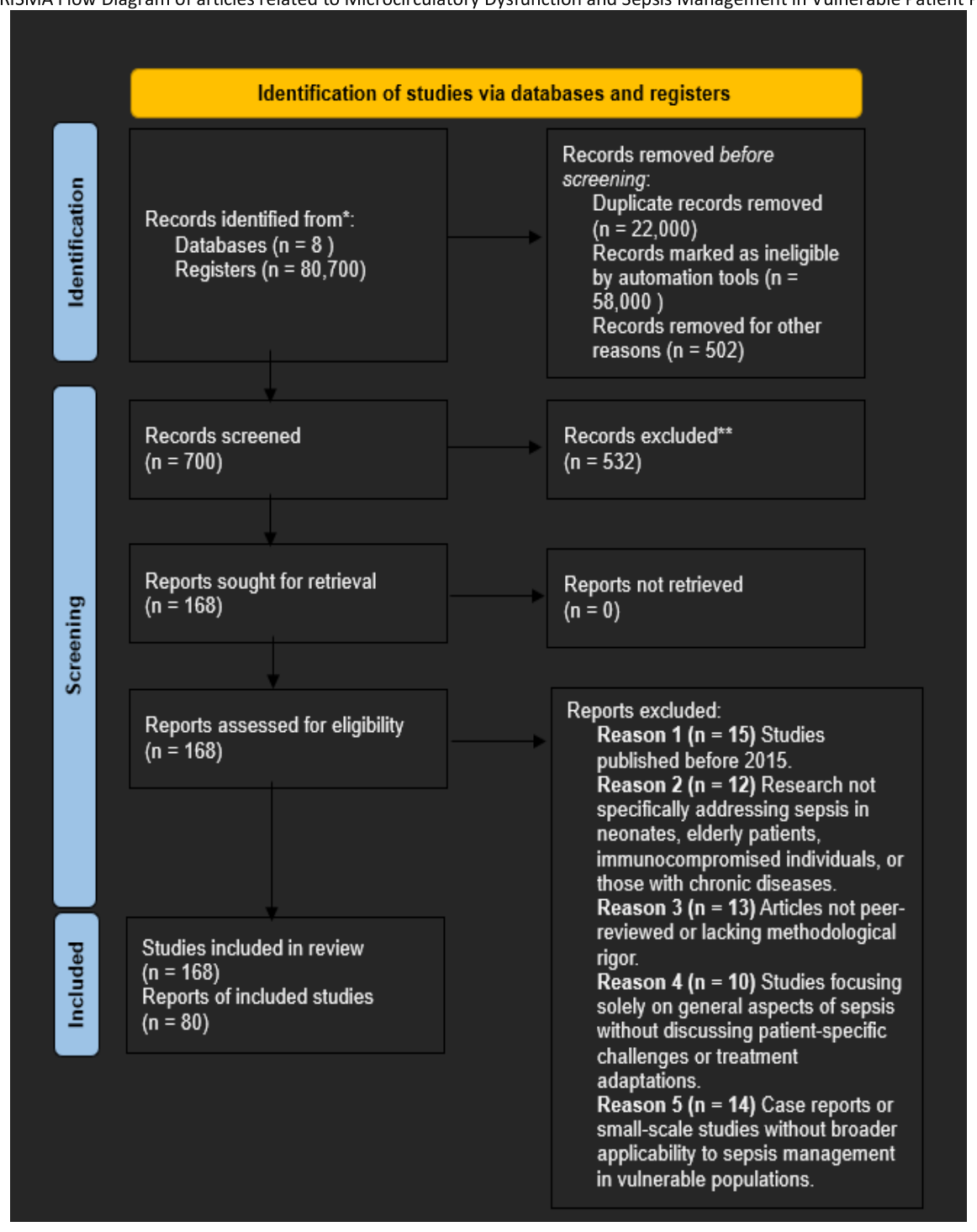
This systematic review was conducted following the PRISMA 2020 guidelines. The PRISMA checklist and flow diagram are provided as supplementary materials.
This methodology enabled a comprehensive analysis of the specialized literature, synthesizing key findings on microcirculatory dysfunction and sepsis management in vulnerable patient populations. By incorporating data from multiple disciplines, this approach provided a well-rounded understanding of sepsis pathophysiology, diagnostic innovations, and personalized treatment strategies.
The studies included in the results section strictly followed the predefined inclusion criteria, ensuring the selection of high-quality and relevant research aligned with the core objectives of this review. These studies were systematically analyzed and synthesized to explore the relationship between microvascular alterations, immune dysregulation, and patient-specific therapeutic approaches, offering objective data and clinically significant insights to enhance sepsis management in high-risk groups.
Patients at increased risk of sepsis belong to special categories, each with specific physiological, immunological, and clinical characteristics that significantly influence disease progression and response to treatment. In these groups, sepsis can progress rapidly, present with atypical symptoms, and have a more severe prognosis, requiring personalized management and close monitoring (Table 1).
| Patient Category | Specific Characteristics | References |
|---|---|---|
| Elderly Patients | – Immunosenescence: weakened immune response – Blunted inflammatory response (atypical symptoms) – Compromised cardiovascular and renal function – Increased risk of multi-organ dysfunction | [59], [60] |
| Patients with Chronic Comorbidities | – Impaired immunity due to preexisting conditions (diabetes, kidney disease, COPD, heart failure) – Increased oxidative stress and chronic inflammation – Risk of hemodynamic imbalances and fluid overload | [61] |
| Pediatric Patients | – Immature immune system – Increased risk of bacteremia and multi-organ dysfunction – Different drug metabolism (requires careful dose adjustment) – Nonspecific symptoms (lethargy, hypothermia, feeding difficulties) | [62], [63] |
| Immunocompromised Patients | – Weakened inflammatory response (atypical symptoms) – Increased susceptibility to opportunistic infections – Requires aggressive antibiotic therapy and intensive monitoring | [64], [65] |
| Pregnant Women | – Physiological changes increase infection susceptibility and excessive inflammation – Early signs may be masked by cardiovascular adaptations – Specific risks: chorioamnionitis, postpartum endometritis – Therapy must be carefully selected to ensure fetal safety | [66], [67] |
As we can see in Table 1, elderly patients face a range of physiological and immunological changes that increase their vulnerability to sepsis. With aging, the immune system undergoes immunosenescence, characterized by a weakened innate and adaptive immune response. This leads to a reduced ability to combat infections and a delayed activation of defense mechanisms [59]. Additionally, the inflammatory response may be blunted, meaning classic symptoms of sepsis, such as fever and tachycardia, may be absent or less pronounced. Cardiovascular and renal functions are often compromised in elderly individuals, making hemodynamic balance and fluid management more challenging. Their overall frailty, combined with a higher risk of multi-organ dysfunction, necessitates a carefully tailored therapeutic approach to prevent rapid deterioration and severe complications [60].
Patients with chronic comorbidities represent another high-risk group, as preexisting conditions directly impact infection response and the body’s ability to maintain homeostasis during sepsis. Diabetes mellitus, for example, impairs immune function by increasing oxidative stress, altering neutrophil function, and reducing phagocytic capacity, making severe infections and associated complications more likely [61]. Chronic kidney disease leads to the accumulation of uremic toxins that suppress immune function and increase susceptibility to opportunistic infections. Additionally, patients with chronic obstructive pulmonary disease or heart failure exhibit persistent inflammatory states and limited functional reserves, causing sepsis to exacerbate these conditions rapidly. For these patients, treatment strategies must balance infection control, organ protection, and the prevention of adverse effects, such as fluid overload from aggressive resuscitation.
Pediatric patients exhibit significant physiological and immunological differences compared to adults, affecting both the presentation and management of sepsis. The immune system of neonates and infants is underdeveloped, resulting in a reduced ability to mount an effective response against infections, which increases the risk of bacteremia and multi-organ dysfunction [62]. Additionally, drug metabolism differs in children, requiring careful dose adjustments for antibiotics and other therapies based on body weight and organ maturity. Clinical signs of sepsis in this group are often non-specific, including lethargy, respiratory distress, hypothermia, or feeding difficulties, making early diagnosis challenging. Close monitoring and rapid intervention are crucial to preventing severe complications and reducing mortality in pediatric sepsis [63].
Immunocompromised patients, including those with cancer, autoimmune diseases, or those undergoing immunosuppressive therapy, are highly vulnerable to sepsis due to an impaired immune system that cannot effectively control infections. The absence of a robust inflammatory response allows infections to spread quickly, and classic sepsis symptoms such as fever and leukocytosis may be absent,
leading to delayed diagnosis [64]. These patients are also prone to opportunistic infections caused by pathogens that are typically non-threatening to immunocompetent individuals, complicating the choice of antimicrobial therapy. Sepsis management in immunocompromised patients requires an aggressive approach, including the rapid administration of broad-spectrum antibiotics, intensive monitoring, and, in some cases, adjunctive therapies to support immune function [65].
Pregnant women represent a unique high-risk category for sepsis, as physiological changes during pregnancy can increase both infection susceptibility and exaggerated inflammatory responses. The immune system undergoes adaptations to tolerate the presence of the fetus, potentially reducing the ability to fight off infections effectively [66]. Simultaneously, increased plasma volume and cardiac output alter the body’s response to infection and can mask early signs of sepsis. Obstetric infections, such as chorioamnionitis and postpartum endometritis, are common causes of sepsis during pregnancy and can have severe consequences for both the mother and the fetus. Treating sepsis in pregnant women requires careful consideration of fetal safety, necessitating the selection of appropriate antibiotics and close hemodynamic monitoring to prevent maternal and fetal complications [67].
Each of these special patient categories requires a personalized approach to sepsis management, tailored to their unique physiological and immunological characteristics. Early diagnosis, intensive monitoring, and prompt therapeutic interventions are essential to improving outcomes and reducing mortality in these vulnerable populations.
Managing sepsis in high-risk patient populations requires a personalized therapeutic approach that considers age, comorbidities, immune status, and physiological differences. Standard treatment protocols may not be fully applicable to these groups, necessitating dose adjustments, targeted antimicrobial strategies, and specialized supportive interventions to optimize outcomes while minimizing complications.
Table 2 presents the key therapeutic considerations for each of these high-risk patient groups, highlighting the necessary adjustments in sepsis management to optimize clinical outcomes and reduce complications.
| Patient Category | Key Therapeutic Considerations | References |
|---|---|---|
| Elderly Patients | – Adjust antibiotic dosages due to reduced renal and hepatic function – Lower doses or extended intervals for renally excreted antibiotics (e.g., aminoglycosides, vancomycin) to prevent nephrotoxicity – Monitor for fluid overload and hypotension with advanced hemodynamic tools (e.g., echocardiography) | [68], [69], [72] |
| Pediatric Patients | – Use weight-based dosing due to immature liver enzymes and different drug metabolism – Close monitoring of oxygenation, perfusion, and fluid balance – Early noninvasive ventilation (e.g., high-flow nasal cannula) to prevent respiratory failure – Adjust antibiotic regimens based on age-specific pharmacokinetics | [73], [74] |
| Patients with Chronic Comorbidities | – Modify medication regimens to prevent interactions (e.g., fluid overload in heart failure) – Adjust diabetes management to avoid sepsis-induced hyperglycemia – Consider early renal replacement therapy in patients with kidney disease – Balance infection control with organ protection strategies | [71], [75] |
| Immunocompromised Patients | – Use prolonged or higher-dose antibiotic courses if needed, balancing toxicity risks – Consider antifungal and antiviral coverage for broader protection – Utilize immunotherapies such as G-CSF for neutropenic patients – Monitor for opportunistic infections and tailor treatment accordingly | [70], [76], [79], [80] |
| Pregnant Women | – Select antibiotics carefully to avoid teratogenic risks (prefer beta-lactams, macrolides, cephalosporins) – Adjust dosages based on increased plasma volume and altered metabolism – Monitor fetal well-being and placental perfusion in maternal hypotension – Involve obstetric and neonatal specialists for optimal maternal-fetal outcomes | [83], [84], [85], [86], [87] |
According to Table 2, antibiotic and medication dosages must be carefully adapted based on age, underlying conditions, and overall patient status. In elderly patients, reduced renal and hepatic function can significantly alter drug metabolism and clearance, increasing the risk of toxicity [68]. Lower doses or extended dosing intervals may be required for renally excreted antibiotics such as aminoglycosides and vancomycin to prevent accumulation and nephrotoxicity [69]. Pediatric patients have immature liver enzyme systems and differing body compositions, necessitating weight-based dosing and close monitoring to ensure therapeutic efficacy while avoiding adverse effects. In immunocompromised individuals, higher or prolonged antibiotic courses may be required due to impaired immune clearance of pathogens, but this must be balanced against the risk of toxicity and resistance [70]. Patients with chronic diseases, such as diabetes or heart failure, may require modifications in medication regimens to avoid interactions or worsening of underlying conditions, such as fluid overload with aggressive intravenous hydration [71].
Supportive interventions play a critical role in managing sepsis in these vulnerable populations. Elderly patients often have diminished cardiovascular reserve, making them prone to hypotension and fluid overload, requiring careful hemodynamic monitoring using advanced tools such as echocardiography or dynamic fluid responsiveness tests [72]. Pediatric patients, particularly neonates, have immature cardiovascular and respiratory systems, necessitating closer monitoring of oxygenation, perfusion, and fluid balance [73]. In critically ill patients with underlying respiratory diseases such as chronic obstructive pulmonary disease or in neonates with underdeveloped lung function, early implementation of noninvasive ventilation or high-flow nasal cannula therapy can help prevent respiratory deterioration [74]. Patients with renal impairment may require early initiation of renal replacement therapy to prevent worsening metabolic derangements and fluid overload [75].
Targeted antimicrobial therapy is essential to optimizing treatment outcomes while minimizing the risk of antibiotic resistance, particularly in patients with recurrent sepsis [76]. Broad-spectrum antibiotics should be initiated promptly but de-escalated based on culture results and antimicrobial susceptibility testing to avoid unnecessary prolonged exposure to broad-spectrum agents [77]. In patients with frequent hospitalizations or prior antibiotic exposure, local resistance patterns should guide empirical therapy to ensure adequate pathogen coverage [78]. Immunocompromised patients, such as those undergoing chemotherapy or organ transplant recipients, are at higher risk for fungal or viral infections in addition to bacterial sepsis, necessitating a broader diagnostic approach and potential inclusion of antifungal or antiviral agents in their treatment regimen [79].
Immunotherapy has emerged as a potential adjunct in managing sepsis, particularly in immunocompromised individuals. Strategies such as the administration of granulocyte colony-stimulating factor (G-CSF) can enhance neutrophil function in patients with chemotherapy-induced neutropenia, reducing the risk of severe infections [80]. Intravenous immunoglobulins (IVIG) may be beneficial in certain septic patients with antibody deficiencies, such as those with primary immunodeficiencies or hypogammaglobulinemia secondary to chronic diseases [81]. Additionally, emerging therapies targeting immune modulation, such as checkpoint inhibitors and cytokine blockade, are being explored to balance excessive inflammatory responses and prevent immune paralysis in sepsis [82]. However, these approaches require further clinical validation to determine their efficacy and safety across different patient populations.
Special considerations are necessary when treating sepsis in pregnant women to minimize risks to both the mother and fetus. Physiological changes in pregnancy, including increased plasma volume, altered renal clearance, and changes in drug metabolism, require careful selection and dosing of medications [83]. Certain antibiotics, such as tetracyclines and fluoroquinolones, should be avoided due to potential teratogenic effects or adverse fetal outcomes [84]. Beta-lactams, macrolides, and selected cephalosporins are generally considered safe and are preferred when treating infections in pregnancy [85]. Management of sepsis in pregnant patients also involves close fetal monitoring, particularly in cases of maternal hypotension, as reduced placental perfusion can lead to fetal distress [86]. Early involvement of obstetric and neonatal specialists is crucial to ensuring optimal maternal and fetal outcomes, particularly in cases requiring preterm delivery due to worsening maternal condition [87].
A tailored therapeutic approach is essential in managing sepsis in high-risk populations, as a one-size-fits-all strategy may not be effective or safe. Personalized dosing regimens, targeted antimicrobial selection, intensive supportive care, and emerging immunomodulatory therapies must be carefully integrated into treatment plans to improve survival and reduce complications in these vulnerable patient groups.
The prognosis of sepsis varies significantly among different patient populations, with special categories such as the elderly, pediatric patients, immunocompromised individuals, those with chronic diseases, and pregnant women facing distinct challenges that influence survival rates, recurrence risk, and long-term health outcomes. The interaction between individual patient characteristics, severity of illness, and therapeutic interventions plays a crucial role in determining overall outcomes.
Mortality and morbidity rates in sepsis differ across patient groups, with elderly individuals exhibiting the highest case fatality rates due to pre-existing frailty, immune senescence, and a diminished physiological reserve. Studies indicate that sepsis-related mortality in elderly patients can exceed 40%, particularly in those with multi-organ dysfunction or underlying cardiovascular disease [88]. Pediatric patients generally have lower mortality rates due to their greater physiological resilience and the ability to recover from severe infections when treated promptly [89]. However, neonates and premature infants remain highly vulnerable, with significantly higher sepsis-related mortality due to their immature immune systems and increased susceptibility to bloodstream infections [90]. Immunocompromised individuals, including cancer patients, transplant recipients, and those undergoing immunosuppressive therapy, also face elevated mortality risks, as their inability to mount an adequate immune response allows infections to progress more aggressively [91]. Patients with chronic diseases such as diabetes, chronic kidney disease, and chronic obstructive pulmonary disease experience worse outcomes due to baseline organ dysfunction, which limits their ability to compensate for sepsis-induced metabolic and inflammatory disturbances [92]. Pregnant women with sepsis generally have lower mortality rates compared to other high-risk groups, but severe maternal sepsis remains a leading cause of maternal morbidity and can result in adverse fetal outcomes, including preterm birth and stillbirth [93].
The success of treatment and the likelihood of sepsis recurrence depend on multiple factors, including early diagnosis, appropriate antimicrobial therapy, hemodynamic stabilization, and organ support. Patients in high-risk categories often require more aggressive and prolonged interventions, yet they may also experience higher rates of treatment failure. In elderly patients, delayed recognition of sepsis due to atypical presentations contributes to increased mortality, and even those who survive the acute phase frequently develop post-sepsis complications such as cognitive decline and functional impairment [94]. Pediatric patients, despite their potential for recovery, may experience long-term immunological and developmental consequences following severe sepsis. Immunocompromised individuals often require extended antimicrobial treatment due to persistent infection risks, but this increases their susceptibility to antimicrobial resistance and recurrent sepsis episodes [95]. Patients with chronic diseases frequently experience sepsis relapses, particularly when their underlying conditions are poorly controlled, leading to recurrent hospitalizations and a progressive decline in overall health status [96].
Prognostic factors vary based on patient category and the therapeutic approach used. In elderly patients, markers of frailty, preexisting comorbidities, and the presence of multi-organ dysfunction strongly predict poor outcomes. In pediatric sepsis, factors such as gestational age, birth weight, and early initiation of antibiotics influence survival rates [97]. Immunocompromised patients with profound neutropenia or severe lymphopenia are at the highest risk of mortality, particularly when infections are caused by multidrugresistant organisms or opportunistic pathogens [98]. The effectiveness of immunotherapy, such as granulocyte colony-stimulating factor (G-CSF) or intravenous immunoglobulin (IVIG), in improving survival in these patients remains an area of ongoing research. In patients with chronic diseases, glycemic control in diabetics, renal function stability in those with kidney disease, and optimal management of pulmonary disease play critical roles in determining outcomes [99]. Pregnant women with sepsis have better prognoses when infections are detected early and treated promptly, but complications such as septic shock, disseminated intravascular coagulation, and fetal distress significantly worsen both maternal and fetal outcomes [100,101].
The long-term impact of sepsis on quality of life has become an increasingly important topic of discussion, particularly with the recognition of post-sepsis syndrome (PSS), a condition characterized by persistent physical, cognitive, and psychological impairments following recovery from sepsis [102]. Many sepsis survivors experience chronic fatigue, muscle weakness, neuropathy, and reduced exercise tolerance, which significantly impact their ability to perform daily activities [103]. Cognitive dysfunction, including memory impairment and difficulty concentrating, is particularly common in elderly patients and those who require prolonged intensive care unit (ICU) stays [104]. Anxiety, depression, and post-traumatic stress disorder (PTSD) are frequently reported, further diminishing quality of life [105]. Pediatric patients who survive sepsis may experience developmental delays and long-term neurocognitive impairments, especially if they suffered from hypoxia or severe inflammation during the acute phase [106]. Immunocompromised patients often face ongoing infection risks and require long-term prophylactic antimicrobial therapy, increasing their burden of care. Individuals with chronic diseases who survive sepsis often experience accelerated disease progression, leading to increased dependence on healthcare resources [107]. Pregnant women who recover from sepsis may face complications such as placental insufficiency, preterm labor, or long-term cardiovascular effects, emphasizing the need for close postpartum monitoring [108].
The impact of long-term sepsis management on patient health and functionality underscores the importance of comprehensive postdischarge care. Early rehabilitation programs, including physical therapy and cognitive training, can help mitigate some of the adverse effects of post-sepsis syndrome [109]. Ongoing monitoring for secondary infections, organ dysfunction, and psychological distress is essential to improving the long-term well-being of sepsis survivors. Targeted interventions, such as personalized nutrition plans, immune-modulating therapies, and infection prevention strategies, may help reduce the risk of recurrent sepsis and promote a better quality of life for high-risk patients [110].
The prognosis and long-term outcomes of sepsis vary widely depending on patient characteristics, timely intervention, and post-sepsis care. While advances in early recognition and targeted therapies have improved survival rates, the high burden of post-sepsis complications highlights the need for continued research and multidisciplinary approaches to optimize long-term recovery in vulnerable populations.
Microcirculatory dysfunction plays a critical role in the progression and severity of sepsis, significantly influencing patient outcomes. Various diagnostic techniques are employed to assess alterations in microvascular perfusion, endothelial integrity, and oxygen delivery at the tissue level. Sublingual video microscopy, using techniques such as sidestream dark field (SDF) imaging, allows for direct visualization of capillary flow abnormalities [111]. Near-infrared spectroscopy (NIRS) is utilized to evaluate tissue oxygenation, while biomarkers such as lactate levels and endothelial activation markers provide additional insights into microvascular impairment [112].
The characteristics of microcirculatory dysfunction in sepsis differ significantly from those observed in other critical illnesses. Septic patients frequently exhibit extensive capillary heterogeneity, increased leukocyte-endothelial interactions, and impaired oxygen extraction, even when macrocirculatory parameters such as blood pressure appear normal [113]. Comparing microvascular alterations between septic and non-septic critically ill patients helps elucidate underlying pathophysiological mechanisms and guides the development of targeted interventions [114].
Table 3 summarizes key diagnostic techniques used to assess microcirculatory dysfunction in sepsis, highlighting their advantages, limitations, and clinical relevance in managing critically ill patients.
| Category | Aspect Analyzed | Description | Advantages | Disadvantages | Examples | References |
|---|---|---|---|---|---|---|
| Diagnostic Techniques Used | Sublingual Video Microscopy (SDF/OPS Imaging) | Direct visualization of microvascular flow abnormalities and capillary perfusion deficits. | Real-time, bedside assessment of microcirculation. | Operator-dependent, limited standardization. | Identification of capillary heterogeneity and sluggish flow in sepsis. | [115], [116] |
| Near-Infrared Spectroscopy (NIRS) | Measures tissue oxygenation to assess microvascular dysfunction in real-time. | Non-invasive, continuous monitoring. | Limited spatial resolution, indirect measurement. | Detects impaired tissue oxygen extraction in septic shock. | [117], [118] | |
| Plasma Biomarkers (Lactate, Endothelial Activation Markers) | Biochemical markers reflecting endothelial dysfunction and microvascular impairment. | Easily accessible, quantitative assessment. | Nonspecific, affected by multiple factors. | Elevated lactate and angiopoietin-2 levels indicating sepsis severity. | [119], [120] | |
| Key Microcirculatory Features | Capillary Perfusion Deficits | Impaired blood flow distribution at the microvascular level, leading to tissue hypoxia. | Helps explain oxygen delivery failure in sepsis. | Difficult to correct solely with macrocirculatory support. | Decreased proportion of perfused capillaries in septic patients. | [121], [122] |
| Endothelial Dysfunction and Glycocalyx Damage | Disruption of endothelial barrier function, increasing vascular permeability, and inflammation. | Critical factor in sepsis progression and organ failure. | No direct bedside measurement is currently available. | Degradation of the endothelial glycocalyx leading to capillary leakage. | [123], [124] | |
| Oxygen Extraction and Mitochondrial Dysfunction | Sepsis-induced alterations in cellular oxygen utilization and mitochondrial energy production. | Key insight into metabolic failure in septic shock. | Challenging to measure in clinical settings. | Reduced oxygen consumption despite adequate oxygen delivery. | [125], [126] |
According to Table 3, the assessment of microcirculatory dysfunction in sepsis highlights the necessity of a multimodal approach for accurate diagnosis and patient management. Sublingual video microscopy remains a valuable bedside tool for directly visualizing microvascular perfusion abnormalities [115,116], while near-infrared spectroscopy provides non-invasive, real-time insights into tissue oxygenation deficits [117,118]. Biomarkers such as lactate and endothelial activation markers offer an accessible means of assessing microvascular impairment [119,120], though they lack specificity and require correlation with other clinical parameters.
The distinct microcirculatory alterations observed in sepsis, including capillary perfusion deficits [121,122], endothelial dysfunction [123,124], and mitochondrial impairment [125,126], underscore significant pathophysiological differences compared to other critical illnesses. These findings suggest that conventional macrocirculatory-focused management strategies may be insufficient, emphasizing the need for personalized interventions targeting microvascular restoration.
Integrating microcirculatory assessment with inflammatory and metabolic biomarkers can enhance early risk stratification, optimize therapeutic strategies, and improve patient outcomes. This underscores the importance of a multidisciplinary approach, incorporating intensivists, infectious disease specialists, and hemodynamic monitoring experts to refine sepsis management and reduce mortality in high-risk populations.
The treatment of sepsis in high-risk patient populations presents significant clinical and scientific challenges. Despite advancements in early diagnosis, antimicrobial therapies, and supportive care, difficulties persist in tailoring treatment strategies to meet the unique needs of vulnerable groups. Two major challenges are the identification of reliable prognostic markers to predict disease progression and the absence of standardized protocols for the personalized management of sepsis in special populations [127].
A primary obstacle in managing sepsis in these high-risk groups is the lack of robust prognostic markers that enable early risk stratification and guide treatment decisions. In the general sepsis population, biomarkers such as procalcitonin, C-reactive protein, and lactate levels are commonly used to assess disease severity and response to treatment [128]. However, in elderly patients, these markers may be less reliable due to an altered inflammatory response and atypical sepsis presentation. Similarly, in immunocompromised patients, the absence of a strong inflammatory response can lead to falsely low biomarker levels, delaying diagnosis and appropriate intervention [129]. Pediatric patients, especially neonates, have distinct immune responses that differ from adults, making it difficult to apply standard sepsis biomarkers to this population [130]. Recent studies have explored cytokines such as IL-6 and IL-10 as potential markers for sepsis severity in immunocompromised and pediatric patients, but further research is needed to validate their clinical utility. The absence of well-defined biomarkers complicates early detection, treatment optimization, and outcome prediction in these vulnerable groups [131].
Another key challenge is the lack of standardized protocols for the individualized management of sepsis in special populations. Although general sepsis guidelines exist, they do not always account for the unique physiological and immunological characteristics of elderly patients, pediatric patients, those with chronic diseases, or immunocompromised individuals [132]. For instance, fluid resuscitation strategies must be carefully adjusted in elderly patients with reduced cardiac and renal function to prevent fluid overload. Pediatric patients require weight-based adjustments for antibiotics and vasoactive medications, but there is no universal protocol guiding optimal dosing in neonates with sepsis [133]. Immunocompromised patients often require broader anti-microbial coverage, yet prolonged exposure to broad-spectrum antibiotics increases the risk of resistance and secondary infections, making antimicrobial stewardship particularly complex [134]. Similarly, in pregnant women, balancing maternal treatment with fetal safety is a significant challenge, as some life-saving antimicrobial and vasopressor therapies pose potential risks to fetal development. The absence of tailored sepsis management guidelines for these groups leads to variability in clinical practice and inconsistencies in patient outcomes [135].
Standardizing diagnostic and treatment protocols is essential for improving sepsis management in high-risk populations. Without clear evaluation and treatment criteria, clinical decision-making often relies on physician experience rather than evidence-based guidelines, leading to disparities in care across healthcare settings [136].
The findings from this analysis highlight the complexity of managing sepsis in high-risk patient populations and underscore the need for a personalized, multidisciplinary approach. The strength of evidence supporting various therapeutic interventions, prognostic indicators, and post-sepsis outcomes varies across patient groups, influencing decision-making for healthcare providers, researchers, and policy-makers.
Early and targeted antimicrobial therapy remains the cornerstone of sepsis treatment, with strong evidence (Level A) supporting its role in improving survival rates. The literature consistently emphasizes the importance of initiating broad-spectrum antibiotics within the first hour of suspected sepsis to reduce mortality, particularly in immunocompromised patients and neonates who are highly susceptible to rapid disease progression [137]. However, antibiotic stewardship remains a critical concern, as prolonged or inappropriate antimicrobial use contributes to resistance, especially in patients with recurrent sepsis [138].
Supportive interventions such as hemodynamic monitoring and organ support therapies play a crucial role in managing sepsis in elderly patients, pediatric populations, and those with chronic comorbidities [139]. Evidence suggests that goal-directed fluid resuscitation and vasopressor therapy improve outcomes in patients with sepsis-induced hypotension (Level A). However, the literature also indicates that fluid overload can worsen prognosis, particularly in elderly patients with cardiac or renal impairment, necessitating individualized resuscitation strategies [140]. Pediatric patients require weight-based hemodynamic adjustments, yet a lack of standardized protocols for fluid management in neonatal sepsis creates challenges in optimizing treatment [141].
The role of immunotherapy in sepsis treatment remains an evolving area of research, with emerging evidence suggesting potential benefits for immunocompromised patients. Studies exploring the use of intravenous immunoglobulins (IVIG) and cytokine-targeting therapies indicate possible improvements in immune function and infection control (Level B) [142]. However, data remain inconclusive, and the heterogeneity of immune responses in different patient groups complicates the identification of optimal candidates for such therapies [143].
Post-sepsis outcomes and long-term patient recovery have become increasingly recognized as critical aspects of sepsis care, particularly with the identification of post-sepsis syndrome (PSS) [144]. Studies show that sepsis survivors, particularly elderly patients
and those with pre-existing comorbidities, frequently experience persistent physical, cognitive, and psychological impairments that reduce their quality of life (Level A) [145]. The literature highlights the need for early rehabilitation programs, including physical therapy and mental health support, to improve post-sepsis functional outcomes [146]. Pediatric patients, though generally more resilient, may experience long-term developmental delays, while immunocompromised individuals remain at high risk for recurrent infections [147].
The analysis of sepsis treatment and outcomes in high-risk populations underscores the need for a more personalized approach to management. While early antimicrobial therapy, hemodynamic support, and organ protection strategies are well established, optimizing treatment for specific patient groups remains a challenge [148,149]. Further research into immunomodulatory therapies, targeted resuscitation strategies, and post-sepsis rehabilitation programs could improve outcomes for vulnerable populations. For healthcare systems and policy-makers, prioritizing research funding and developing population-specific guidelines will be crucial in advancing sepsis care.
The findings of this analysis reinforce and expand upon the existing research on sepsis management in high-risk patient populations, emphasizing the distinct pathophysiological mechanisms and therapeutic challenges that differentiate these groups from the general sepsis population. The evidence strongly supports the fundamental role of age-related immune changes, comorbid conditions, and immune suppression in altering sepsis progression, response to treatment, and long-term recovery. These differences explain the variability in treatment outcomes and underscore the necessity for patient-specific, tailored therapeutic approaches.
From an antimicrobial therapy perspective, the literature confirms that early and targeted antibiotic administration remains the cornerstone of sepsis treatment, particularly in immunocompromised patients and neonates, where delayed intervention significantly worsens prognosis. However, the growing concern of antimicrobial resistance in patients with recurrent sepsis highlights the urgent need for enhanced antimicrobial stewardship programs and the integration of rapid molecular diagnostics to optimize therapy selection. The challenge of balancing broad-spectrum coverage with the risk of resistance remains a key consideration in long-term sepsis management.
The role of hemodynamic support and organ protection strategies in sepsis treatment is well established, with evidence favoring individualized fluid resuscitation and vasopressor therapy based on patient-specific factors such as age, renal function, and baseline cardiovascular status. While goal-directed resuscitation strategies improve survival, the risk of fluid overload in elderly and chronically ill patients necessitates a more precise, dynamic approach to fluid management. The increasing use of bedside ultrasonography and advanced monitoring techniques presents an opportunity to refine resuscitation protocols and improve patient outcomes.
The growing recognition of post-sepsis syndrome (PSS) highlights the need for a more comprehensive approach to sepsis care, extending beyond the acute phase to address long-term health complications. Studies confirm that sepsis survivors, particularly elderly individuals and those with preexisting conditions, frequently experience persistent physical, cognitive, and psychological impairments that significantly impact their quality of life. Post-sepsis rehabilitation programs, including structured physical therapy, cognitive assessments, and mental health support, are increasingly recognized as essential components of recovery. However, gaps remain in the availability and accessibility of these services, underscoring the need for healthcare systems to prioritize long-term sepsis care.
These findings highlight the importance of integrating personalized therapeutic strategies, advanced diagnostic technologies, and long-term rehabilitation programs into sepsis management.
Given the limitations of standard sepsis management in high-risk populations, future research should focus on developing personalized treatment strategies that account for immune dysfunction, comorbid conditions, and age-related physiological changes. Studies investigating immunomodulatory therapies, such as IL-6 and IL-10 inhibitors, could provide new therapeutic avenues for immunocompromised patients who fail to mount an adequate immune response. Additionally, research into host-directed therapies, including immune checkpoint inhibitors and cell-based treatments, may help restore immune balance in patients with immune exhaustion or dysregulated inflammatory responses.
The growing threat of antimicrobial resistance, particularly in patients with recurrent sepsis, underscores the need for novel antibiotic stewardship strategies. Future studies should explore rapid molecular diagnostics and point-of-care pathogen identification tools to facilitate early, targeted antibiotic therapy while minimizing unnecessary broad-spectrum antibiotic use. Additionally, research into alternative antimicrobial approaches, such as bacteriophage therapy and antimicrobial peptides, could provide effective solutions for multidrug-resistant infections. The development of nanotechnology-based drug delivery systems to enhance antibiotic penetration into infected tissues and biofilms should also be a priority.
Hemodynamic monitoring and resuscitation strategies in sepsis require further refinement to improve outcomes in specific patient populations. Research into precision-guided fluid resuscitation, incorporating real-time hemodynamic assessment tools such as microcirculatory imaging and noninvasive cardiac output monitoring, could help tailor fluid therapy and prevent complications such as fluid overload in elderly and chronically ill patients. Additionally, studies comparing restrictive versus liberal fluid strategies in different patient populations could provide insights into optimizing volume resuscitation while minimizing adverse effects.
The long-term impact of sepsis, particularly post-sepsis syndrome (PSS), remains an area requiring further exploration. Future research should focus on identifying biomarkers that predict long-term cognitive, physical, and psychological impairments following sepsis. Large-scale longitudinal studies evaluating the effectiveness of rehabilitation programs, including physical therapy, neurocognitive interventions, and mental health support, are needed to establish standardized post-sepsis care protocols. Investigating the role of gut microbiome alterations in post-sepsis recovery may also provide opportunities for microbiome-targeted therapies to improve immune homeostasis and overall health outcomes.
The authors declare no conflict of interest. No artificial intelligence automatically generated text was inserted in this manuscript, and no image was previously published in another journal or is under consideration for publication elsewhere. This research received no external funding.
Authors’ contribution
Conceptualization, G.P.G. and D.R.T.; methodology, G.P.G and D.R.T; software, M.B.N and I.S.C.; validation, G.P.G and L.P; formal analysis, R.M.S and C.P.; investigation V.T.G and I.S.C.; resources G.P.G, L.P and V.T.G..; data curation, R.M.S., L.P. and M.B.N.; writing—original draft preparation G.P.G. and C.P.; writing—review and editing, G.P.G,. D.O.C. and V.T.G..; visualization, M.B.N and R.M.S.; supervision, G.P.G.; project administration, V.T.G and I.S.C. All authors have read and agreed to the published version of the manuscript.
Not applicable.
Not applicable.