
Although behavioral addictions (BAs) have been explored by mental health specialists for quite a long time, their official nosographic status only started with DSM-5 (2013) and ICD-11 (2019) [1-3]. According to the DSM-5 and continued into the DSM-5 TR, gambling disorder (GD) is included in the chapter dedicated to “Substance-related and addictive disorders”, while Internet Gaming Disorder (IGamingD) is part of the section “Conditions for further study” [2,3]. ICD-11 recognizes gambling and gaming disorders as “disorders due to addictive behaviors,” with GamingD defined by impaired control, priority over other activities, continuation despite harm, and functional impairment [1]. Military populations may be vulnerable to such BAs because of deployment stress, isolation, boredom, shift work, trauma exposure, easy online access, and stigma around help-seeking [4-6]. Self-stigma and public stigma, but also help-seeking behaviors, have been related in military members and veterans to destructive leadership experiences [4]. Assessing veterans’ mental health, well-being, health-related quality of life, and civilian reintegration experiences is crucial for identifying factors that influence adaptation and resilience, thereby informing targeted health promotion initiatives and improving access to veteran-centered healthcare services [5]. In this context, gambling harm among UK veterans has been framed as a complex phenomenon, modeled by various factors, such as cultural (e.g., institutional norms of stoicism), psychological (e.g., emotional control), and social variables (e.g., stigma, silence, structural barriers to help-seeking, post-discharge isolation) [6]. Also, preliminary research showed the need in cases of BAs for stigma-free, culturally-informed interventions across the military life cycle, starting from routine screening, psychoeducation, and trauma-informed care [6].
The acknowledgment of mental health problems in military settings is a constant challenge, requiring overcoming multiple internal and external obstacles. According to a cross-sectional survey study (N=5428 non-deployed US Regular Army soldiers), most soldiers with mental disorders did not believe they needed treatment, and those who did faced multiple attitudinal and structural barriers [7]. In another study (N=4967 military personnel from the Republic of Korea Armed Forces), 13.7% reported an experience of unmet medical need within the past 12 months, invoking lack of time, long office wait, lack of funds, long distance from base, lack of seriousness of the illness, mistrust in doctors, and pressure due to performance appraisal [8]. Negative mental health and increased suicidal ideation were significantly associated with unmet medical needs in this population [8]. A group of US military members with probable need for treatment was assessed in a study (N=2336 participants with serious psychological distress), and the results showed a reduced awareness of the need for treatment, supporting the need for targeted screening and mental health literacy interventions within military systems [9]. Based on these data, it becomes clear that psychoeducation and early detection in military environments for psychiatric illnesses, BAs included, should receive more attention from mental health specialists.
Regarding the prevalence of substance use disorders (SUDs) in military personnel, rates of binge drinking are high compared to the general population, and more than one in ten veterans has been diagnosed with an SUD, slightly higher than in the general population, according to epidemiological data synthesized by the US National Institute on Drug Abuse [10]. Evaluation of the prevalence of BAs in this milieu is more difficult for several reasons, ranging from the relative novelty of these clinical phenomena in the nosographical systems to barriers to communicating such pathological behaviors by military personnel and veterans. Existing data still indicate the importance of BAs, as reflected by reports showing 13% frequent gambling (at least once per week), and 8% lifetime problematic gambling in a US military cohort (N=1553 participants) [11].
Emerging evidence suggests that BAs should be evaluated within a broader framework of psychiatric multimorbidity in veterans, as mental health disorders, SUDs, and social vulnerabilities frequently cluster and may contribute to mutually reinforcing patterns of psychological distress and functional impairment [12]. The mental health costs related to SUDs in veterans are high due to multiple hospitalizations and longer index hospital stays, thus justifying the initiation of specific healthcare policies targeting this population [13].
Other BAs that are discussed in the literature regarding the general population, and which may be considered of interest for the military environment also, are compulsive shopping, food addiction, and physical exercise dependence [14-16]. The spectrum of pathological behaviors and BAs is continuously expanding to include the emerging challenges for mental health in contemporary society, such as chatbot addiction or social media sites addiction, as the research in this field has been extremely active in the last decade [17,18].
Based on the preliminary data presented, it was considered important to assess the main dimensions of the multifaceted phenomenon of BAs in order to delineate directions for implementing new detection and therapeutic strategies for military personnel, both active-duty and retired. The objectives of this article were, consequently, to assess prevalence, risk factors, operational impact, barriers to detection and treatment, prevention needs and treatment options for BAs among military personnel, focusing on excessive gambling or gaming, problematic internet/smartphone use, pornography, compulsive shopping or sexual behaviors, food addiction, and exercise dependence.
This study used a structured evidence synthesis and policy analysis approach to examine BAs among military personnel, veterans, and related population groups. Relevant publications were identified through a structured search of PubMed, Cochrane Database of Systematic Reviews, CINAHL, EMBASE, and Google Scholar, from each database’s inception to May 2026. Studies investigating GD, GamingD/problematic gaming, problematic internet use (PUI), compulsive sexual behavior (CSB), problematic pornography use (PPU), compulsive shopping, food addiction, and exercise dependence in active-duty military personnel, reservists, veterans, military trainees, and military healthcare populations were considered eligible.
Studies were included if they (1) examined BAs or problematic engagement in potentially addictive behaviors; (2) included military personnel, veterans, reservists, or military trainees; (3) reported prevalence, risk factors, clinical correlates, functional consequences, treatment outcomes, or prevention implications; (4) were published in English. Observational studies, longitudinal cohort studies, qualitative studies, intervention studies, case series, case reports, and evidence syntheses (reviews and meta-analyses) were eligible for inclusion.
For each study, the following variables were extracted: population characteristics; type of behavioral addiction; study design; prevalence estimates; psychiatric and psychosocial correlates; military-specific vulnerability factors; functional and operational consequences; prevention and treatment implications.
Extracted findings were synthesized using a thematic analysis framework, in order to guide further processing of data into directions for intervention for clinicians and policy-makers. Recurrent findings across addiction categories were grouped into four domains: epidemiology and prevalence; risk and vulnerability factors; operational, occupational, and psychosocial consequences; prevention, screening, and treatment needs. Themes were generated inductively through iterative review of the extracted evidence and subsequently refined through discussion among the authors.
The synthesized evidence was subsequently examined from a military health-system perspective, and all relevant themes were evaluated for their implications for force readiness, personnel well-being, healthcare utilization, and organizational functioning. Gaps in current screening practices, prevention strategies, referral pathways, and treatment availability were subsequently explored, and solutions were proposed.
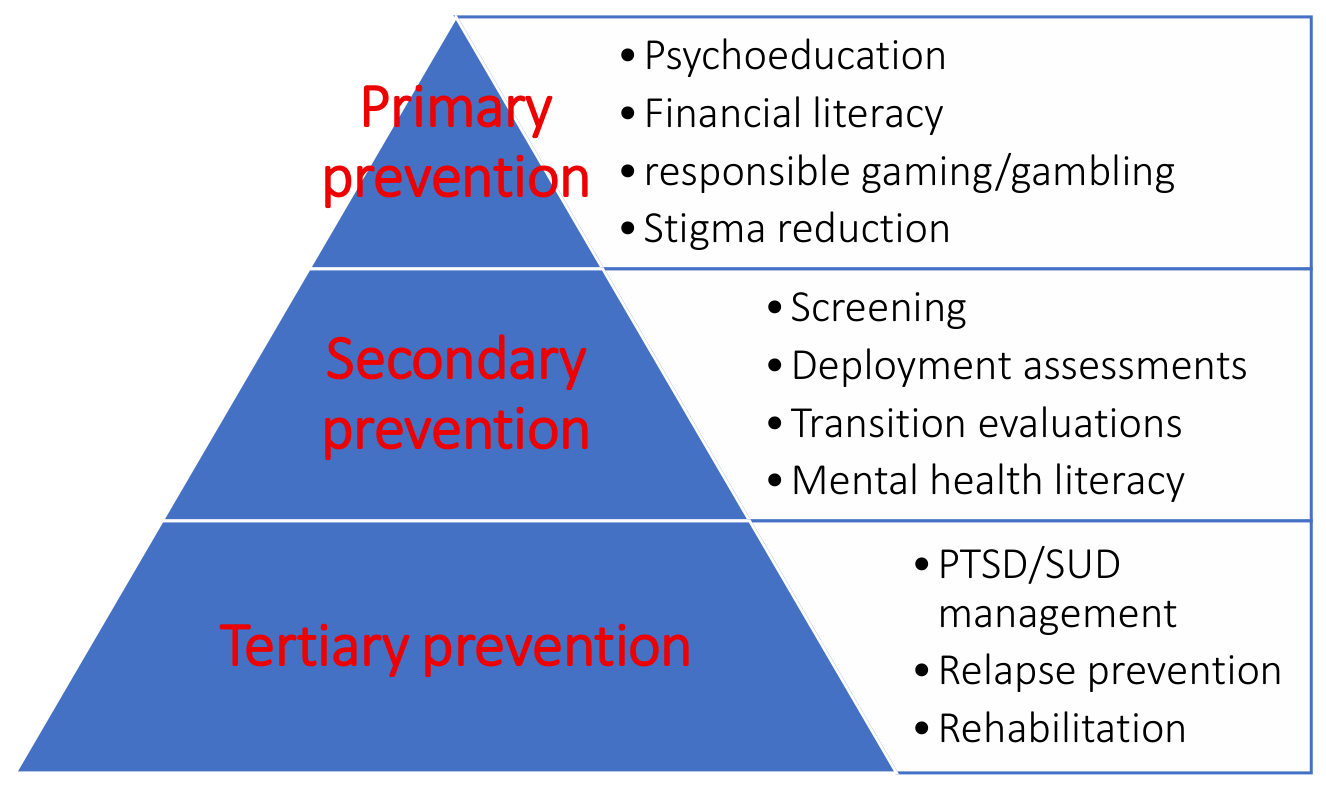
Based on the identified evidence and policy gaps, an evidence-informed framework for the prevention and early detection of behavioral addictions in military settings was developed. The framework was organized into three levels of intervention: primary prevention (education, awareness, and resilience promotion); secondary prevention (screening and early identification); and tertiary prevention (treatment access, rehabilitation, and relapse prevention).
This framework was intended to provide practical recommendations for military healthcare systems and commanders responsible for personnel health and operational readiness.
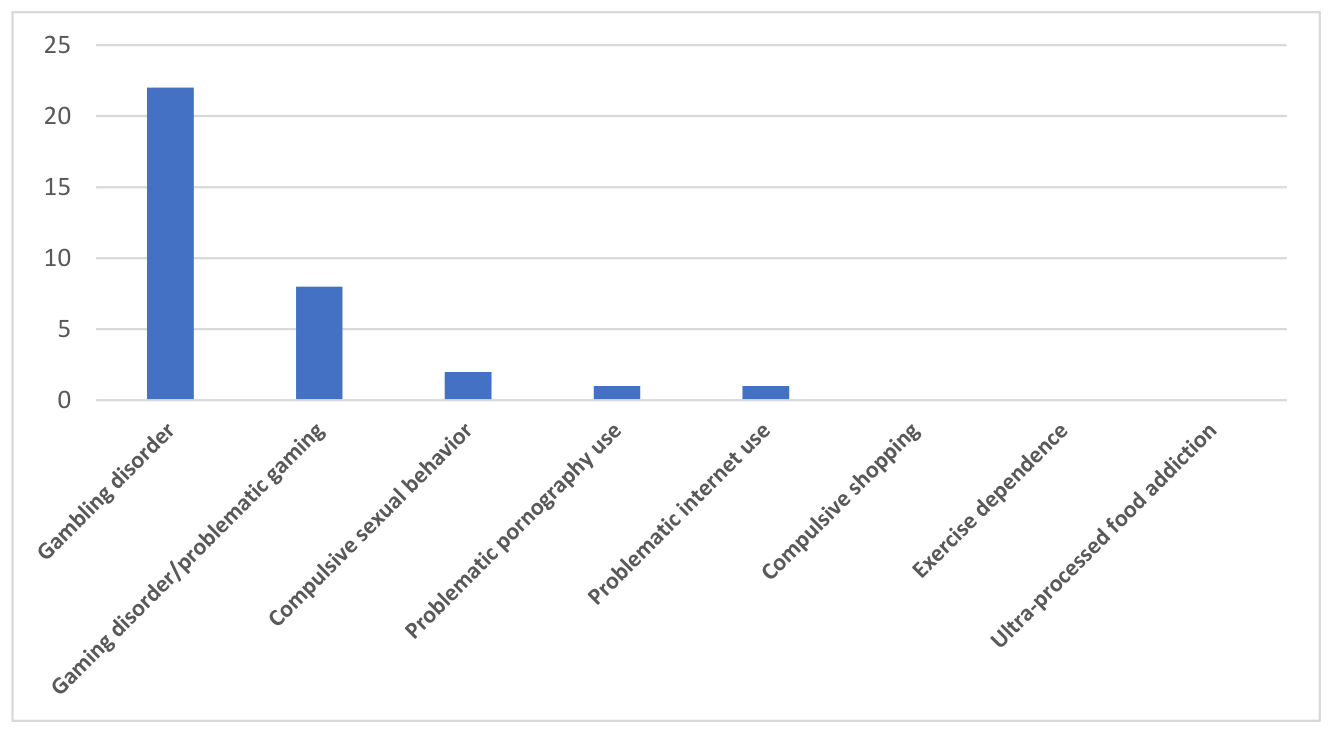
The primary search identified 965 references, which, after applying inclusion/exclusion criteria, were reduced to 34. These were mostly primary research (i.e., studies, case series, and case reports), as well as reviews and one meta-review. The sources were grouped into three main categories, since most of them were dedicated to GD/problematic gambling (n=22, Table 1), and GamingD/problematic gaming (n=8, Table 2), with only a minority approaching different BAs (n=4, Table 3) (Fig.1).
According to a review (n=52 articles), veterans appear to be vulnerable to gambling disorder (GD) due to high rates of psychiatric comorbidity, trauma exposure, substance abuse, and psychosocial stress related to military service and reintegration [19]. Clinical context and sampling methods may lead to significant variations in GD prevalence across the explored studies, with a lifetime prevalence reported to be between 2% in broader veteran samples and almost 29% in veterans receiving PTSD treatment [19]. Veterans with GD frequently associate with depression, anxiety, PTSD, alcohol and other substance use disorders, personality disorders, and suicidal behavior [19]. Multiple studies reported that veterans with histories of childhood abuse, neglect, traumatic life events, or PTSD symptoms were significantly more likely to exhibit gambling-related problems [19]. Suicidal crises related directly to gambling-related financial and psychological distress have been reported in this population [19]. Specialized VA inpatient programs for GD showed moderate rates of success, with almost 50% of treated veterans achieving abstinence after discharge, and improvements in depression, financial functioning, and interpersonal relationships [19].
A scoping review (n=11 articles) focused on gambling harm and behaviors in active-duty military personnel showed that higher gambling participation, higher rates of risky gambling, and more gambling-related harm have been reported in this population vs. civilians [20]. Several military-specific vulnerability factors were identified, such as boredom during deployment, long periods of downtime, stress exposure, mobility and isolation, risk-taking culture, masculine peer norms, and easy access to gambling opportunities near military installations [20]. Also, gambling problems were associated with PTSD, depression, anxiety, alcohol or substance misuse, suicidality, and impulsivity [20]. Gambling may be conceptualized as an emotional escape, stress regulation, or a dysfunctional coping method to specific military environmental stimuli [20]. The authors also highlighted that military systems lack routine screening, prevention strategies, treatment protocols, and formal policy guidance [20]. Also, the authors emphasized that gambling behaviors may have an important negative impact on financial stability, discipline, security clearances, psychological functioning, and military readiness; therefore, GD should be considered a military operational challenge [20].
A cross-sectional observational study (N=3511 Australian veterans who retired in the last five years) reported a 4.6% prevalence of problem gambling, and an additional 8.8% presenting at-risk gambling behaviors, which are elevated compared to the general population [21]. Therefore, transitioning from active duty to retirement seems to be a particularly vulnerable period for developing GD and related problems [21]. Also interestingly, only a minority of these patients (2.1%) sought professional help for problem gambling, according to the results of this study [21]. After controlling for multiple variables, the strongest association of gambling problems in this population was with specific PTSD clusters, mainly hyperarousal, emotional dysregulation, irritability, and dysphoric affect [21]. As the authors formulated, the persistent psychological consequences of trauma are more important for predicting gambling problems than trauma exposure in itself [21]. The authors recommended as useful strategies routine screening for gambling problems, integration of gambling assessment in programs screening for PTSD, improving awareness among clinicians, and developing targeted prevention and intervention programs for veterans [21].
A cross-sectional survey exploring gambling experience and potential problems among active duty UK Royal Air Force personnel (N=2119 responses) showed that 12.5% of the participants reported gambling problems, with 8% of them presenting Problem Gambling Severity Index (PGSI) scores corresponding to low-risk gambling, 3% to moderate-risk, and 1.6% to problem gambling [22]. The probability of gambling problems was associated with age (18-24 years old), male gender, and non-commissioned ranks [22].
Problem gambling scores for past and current military service members were more than double when compared to those of the civilians in a survey sample of 2176 US adult residents [23]. Interestingly, this study also highlighted that women had a statistically stronger association between problem gambling scores and military service [23]. The PGSI scores were higher in active military personnel, with greater weekly participation in online gambling, lottery, electronic gambling machines, and sports betting; the same population reported approximately 20 times the rate of suicidal ideation compared to civilians [23]. Tobacco use, suicidal ideation, and substance use problems were also associated with problem gambling among military service members, in regression analyses [23]. The authors argue that limited leisure options and a high tendency for risk taking among military service members, but also the relative ease to conceal online gambling on base, may represent vulnerability features for a higher rate of GD in this population [23].
A telephone survey assessed potential problematic gambling (N=1553 Ohio Army National Guard members) using the National Opinion Research Center Diagnostic Screen- Loss of Control, Lying, and Preoccupation Screen (NODS-CLiP), and reported 13% past-year frequent gambling (≥1/week) and 8% lifetime potential problematic gambling [11]. Male, unmarried, having left the Guard or retired, minor depression, alcohol dependence, legal problems, and increased pain were associated with potential problematic gambling [11]. The authors support the recommendation of routine screening for problem gambling to ensure a high level of mental health in the military and veteran populations (the prevalence of GD being almost twice vs. civilian population in the US) [11].
A qualitative exploratory study included 28 US military veterans and service members, who were interviewed about barriers to accessing healthcare services if they were confronted with GD [24]. Stigma and shame were central barriers, with many veterans reporting embarrassment, guilt, and fear of being judged, while some viewed gambling problems as signs of personal weakness or moral failure, rather than a mental health condition [24]. Veterans associated military culture with self-reliance, emotional control, toughness, and endurance, norms that discourage seeking psychological help and reinforced concealment of gambling problems [24]. Several veterans reported not knowing where to seek help, whether treatment for GD existed, or whether VA services addressed GD specifically [24]. Also, veterans described severe consequences of GD, including debt, bankruptcy, relationship breakdown, emotional isolation, occupational difficulties, and suicidal crises [24]. The authors suggest implementing routine gambling screening in veteran healthcare settings, improving clinician education, reducing stigma associated with gambling disorder, increasing awareness and accessibility of treatment services, and developing interventions specifically tailored to veterans [24].
According to a meta-review that included three systematic reviews, GD and subclinical gambling problems occur at relatively low rates in the general population, and current military screening tools and treatment approaches show only modest effectiveness [25]. While gambling-related issues can significantly affect military readiness and mental health, there is still insufficient evidence to support highly accurate screening or universally effective treatments [25]. The authors recommend improving early detection strategies, standardizing assessment methods, and developing more targeted, evidence-based interventions for military populations [25].
An observational cross-sectional study examined GD and substance use disorders (SUDs) among US veterans (N=4069), and the results showed that veterans with GD had higher rates of alcohol/drug misuse, psychiatric symptoms, and psychosocial difficulties, indicating a strong overlap between these conditions [26]. Co-occurring disorders were associated with greater emotional distress and increased risk behaviors, including higher odds of suicidality and non-suicidal self-injury, suggesting that gambling disorder rarely occurs in isolation within this population [26]. The authors concluded that GD is closely related to SUDs and mental health problems in veterans, highlighting the need for integrated screening and treatment approaches [26].
An observational study that analyzed data from a sample of US military veterans seeking mental health treatment services at a VA hospital (N=260 participants), using the Brief Biosocial Gambling Screen (BBGS) [27]. Results showed that veterans had high rates of problem gambling (32.7%) within the past 12 months and related psychological difficulties, with a 1.9% estimated prevalence of problem gambling among screened veterans using the BBGS scores [27]. The conclusion of the study was that military experience may increase vulnerability to gambling-related harm and that targeted screening and support services for veterans are needed [27].
According to another observational study (N=603 US veterans), suicide attempt history was found to be extremely frequent in veterans receiving treatment for GD, with more than 40% of them reporting such a history [28]. Women veterans were especially likely to present a history of suicide attempts (60%) [28]. Greater gambling severity and impulsivity were associated with a higher frequency of suicide attempts in veterans who related their self-aggressive attempts to the gambling [28]. Therefore, screening for suicidality in veterans with problem gambling is recommended, as is customizing treatment for these veterans by targeting specific risk profiles (e.g., higher impulsivity, comorbid disorders) [28].
Another study analyzed data from 3157 U.S. veterans in the National Health and Resilience in Veterans Study to examine the relationship between gambling behavior, psychiatric disorders, and suicidality [29]. The results of this study showed that 35.1% of veterans gambled recreationally and 2.2% screened positive for at-risk/problem gambling, which was strongly associated with trauma exposure, substance use, anxiety, depression, and mental health treatment utilization [29].
In a retrospective study focused on the evaluation of risk factors for gambling disorder among U.S. military personnel, this disorder was associated with a range of demographic, behavioral, and mental health factors, including substance use disorders, mood disorders, and other psychiatric conditions [30]. Higher odds of diagnosis were observed among men, older service members, racial minority groups, enlisted personnel, and those living closer to gambling venues, while prior substance misuse and mental health conditions emerged as particularly strong predictors [30].
In a cross-sectional study of recently deployed Australian Defense Force personnel to the Middle East Area of Operations, Cowlishaw et al. (2020) found that gambling problems (7.7% prevalence) were associated with younger age (18-24 years old), military characteristics (0-4 years of military service, served in the Army), PTSD symptoms, depression, alcohol misuse, and post-deployment stressors, suggesting that gambling may represent an important comorbid behavioral health issue following deployment [31].
In a cross-sectional study of U.S. military personnel (N=17098 individuals), Beymer et al. (2026) found that gambling problems were associated with poorer mental health, sleep difficulties, and other adverse health behaviors, underscoring the broader health burden associated with gambling-related harm [32]. This type of pathological behavior was associated with a 3.1-fold greater odds of severe psychological distress vs. those screened negative [32].
A retrospective study that included 401 US Armed Forces Veterans found that preference for strategic gambling was associated with younger age, male gender, and lower rates of nicotine use disorder and PTSD [33]. In contrast, veterans with PTSD were more likely to engage in non-strategic gambling, highlighting a possible susceptibility to gambling problems linked to non-strategic gambling activities within this population [33].
A cross-sectional observational study included 1037 UK Armed Forces veterans and 1148 age and gender-matched non-veterans to investigate the associations between gambling problems and motivations, mental health, and PTSD [34]. Veterans were significantly more likely than non-veterans to experience gambling-related problems, according to the past year’s analysis [34]. A significantly stronger association between problem gambling and gambling to cope with stress was observed in veterans, and veterans with PTSD and complex PTSD had a higher risk of problem gambling [34].
Champion et al. (2022) conducted a qualitative study involving 17 serving UK Armed Forces personnel to explore experiences of gambling problems and help-seeking. Four themes emerged: occupational factors influencing gambling behavior; socio-cultural and personal influences; organizational attitudes toward mental health and help-seeking; and existing support pathways [35]. Participants reported that gambling and alcohol use were normalized within military culture and were often used to cope with stress and mental health difficulties [35]. Stigma and concerns about career implications were identified as major barriers to seeking help, highlighting the need for more accessible and military-specific gambling support services [35].
A cross-sectional study including surveys of 31104 US Air Force recruits found that frequent gambling was associated with several health-risk behaviors, including heavy alcohol consumption, cigarette smoking, smokeless tobacco use, risky sexual practices, and aggressive or sensation-seeking behaviors [36]. Approximately one in ten participants reported gambling on a weekly basis, with 6.2% experiencing gambling-related problems and 1.9% indicating impaired control over their gambling [36]. Male participants were more likely than females to engage in frequent gambling and exhibit problematic gambling behaviors [36]. Furthermore, ethnic minority participants showed greater vulnerability to gambling problems and loss of control than their Caucasian counterparts [36].
Kennedy et al. (2005) evaluated the first year of an overseas military gambling treatment program implemented within a substance abuse rehabilitation service in Okinawa, Japan [37]. Among the 35 referred individuals, high rates of depression, suicidality, and substance misuse were observed [37]. The program was successfully integrated into existing services, and preliminary findings suggested benefits for suicide prevention and retention of military personnel experiencing gambling-related problems [37].
In a cross-sectional, exploratory survey study (N=608 UK Armed Forces serving personnel), most of the participants reported past-year gambling, with 23% experiencing harm [38]. Factors predicting harmful gambling were male gender, younger age, and lower educational attainment, but also prior generalized anxiety and PTSD symptoms [38]. Also, strategy-based gambling and online sports betting could be able to predict experiencing harm from gambling [38].
According to the results of a cross-sectional secondary analysis that included 257 UK Armed Forces veterans and 514 matched nonveterans, using data from the 2007 Adult Psychiatric Morbidity Survey, veterans exhibited significantly higher rates of problem gambling than civilians, although gambling problems were not explained by differences in mental health conditions, substance misuse, financial difficulties, or length of military service [39]. Male veterans were more likely to report exposure to traumatic events, but no significant differences were observed in PTSD, alcohol misuse, drug dependence, or financial management difficulties [39].
A cross-sectional survey of 1,037 UK military veterans and 1,148 matched non-veterans was conducted to estimate the social and economic costs of gambling-related harm [40]. Veterans were significantly more likely to experience problem gambling and demonstrated greater healthcare utilization, social service use, debt, welfare dependency, and productivity losses than non-veterans [40]. Within the veteran sample, increasing gambling severity was associated with higher healthcare, social care, and societal costs, highlighting the substantial economic burden of gambling-related harm in this population [40].
A review (n=46 studies) identified 28 screening or assessment tools for measuring gambling behavior, but concluded that none were specifically designed or validated for use in military settings [41]. Therefore, inconsistent reliability, sensitivity, and specificity have been reported when such administration was performed [41]. The authors of this review concluded that existing measurement tools may underestimate or misclassify gambling-related harm, with possible negative consequences of limiting early identification and effective intervention in this specific population [41].
A narrative review (n=14 studies) explored the effectiveness of ACT (Acceptance and Commitment Therapy) in military personnel diagnosed with posttraumatic stress disorder (PTSD) and/or GD [42]. The results are supportive of this intervention in producing improvements in PTSD and/or GD symptom severity, but it is not clear which method of ACT delivery is superior, nor what the real effect size of this therapy is, due to the broad range of study designs [42].
Shirk et al. (2022) examined the feasibility of a nine-session Mindfulness-Based Relapse Prevention (MBRP) program for three U.S. military veterans with gambling disorder. Participants reported reductions in gambling behavior and gambling-related cravings, alongside improvements in self-efficacy, impulsivity, emotion regulation, and overall functioning [43]. The results suggest that MBRP is a feasible and potentially beneficial intervention for veterans with gambling disorder; however, larger controlled studies are needed to establish its effectiveness [43].
| Authors | Type of research | Population characteristics | Behavioral pathology | Results | Comments |
|---|---|---|---|---|---|
| Levy & Tracy, 2018 [19] | NR, 52 articles | Military veterans | GD | Lifetime prevalence 2-29% for GD, >33% for recreational gambling | Childhood abuse, neglect, traumatic life events, and PTSD symptoms were associated with higher rates of GD |
| Paterson et al., 2020 [20] | Scoping SR, 11 sources | Active duty military personnel | GD and related behaviors | Higher gambling participation, higher rates of risky gambling, and more gambling-related harm vs. civilians | Gambling harm in military personnel is underresearched, especially outside North America |
| Metcalf et al., 2022 [21] | Cross-sectional self-report survey, 3511 participants | Retired-in-the-last-5-years Australian Defense Force members | GD prevalence | 4.6% of participants met criteria for problem gambling, and an additional 8.8% showed at-risk gambling behaviors. Only 2.1% of veterans with gambling problems sought professional help for this issue. | The rates are elevated compared to the general population. The post-service transition period may represent a particularly vulnerable stage for gambling-related harm |
| Pritchard & Dymond, 2022 [22] | Cross-sectional survey, 2119 respondents | UK RAF active duty personnel | GD | 12.5% reported gambling problems, 8% presented PGSI scores of low-risk gambling, 3% moderate-risk, and 1.6% problem gambling | Gambling problems and associated harms stand as significant concerns for serving military personnel |
| van der Maas & Nower, 2021 [23] | Observational cross-sectional survey, 2176 participants | US past and current military personnel, and civilians (as a control group) | GD | The PGSI scores were higher in active military personnel. ~20 times the rate of suicidal ideation compared to civilians. | Restricted leisure options, a high tendency for risk-taking among military service members, and the relative ease of concealing online gambling on base vulnerabilise this population to the onset of GD |
| Gallaway et al., 2019 [11] | Cross-sectional survey study, 1553 participants | Ohio Army National Guard members | GD | 13% past-year frequent gambling (≥1/week) and 8% lifetime potential problematic gambling. Male, unmarried, having left the Guard or retired, minor depression, alcohol dependence, legal problems, and increased pain were associated with potential problematic gambling. | Routine screening for problem gambling is granted to ensure a high level of mental health in the military and veteran populations |
| Vana et al., 2025 [24] | Qualitative exploratory study, 28 participants | US military veterans and service members | GD | Multiple barriers to seeking treatment for GD, including stigma, shame, fear of appearing weak, and limited awareness of available services | GD should be integrated more fully into veteran mental health services, particularly because it frequently co-occurs with trauma-related conditions such as PTSD |
| Segura et al., 2024 [25] | Meta-review, 3 SR included | Service members | Gambling problems | 31 tools were identified for screening of gambling problems in service members, but with modest sensitivity and specificity. Estimated errors of positive results in 64-69% of the cases. In service members referred for alcohol problems, a positive result with the best screening tools would be correct in 76% of the time | Screening for GD is infeasible in the general service members, due to the low quality of psychological tools, but enriched samples of service members with alcohol problems may benefit from such a screening |
| Stefanovics et al., 2024 [26] | Observational cross-sectional study, 4069 participants | US military veterans | SUDs, GD | Veterans with GD showed higher rates of alcohol/drug misuse, psychiatric symptoms, and psychosocial difficulties, indicating a strong overlap between these conditions | GD is closely linked to substance use and mental health problems in veterans, highlighting the need for integrated screening and treatment approaches |
| Kraus et al., 2020 [27] | Cross-sectional comparative study, 260 participants | US military veterans | GD | 32.7% presented gambling behaviors in the past 12 months. The estimated prevalence of problem gambling was 1.9% among veterans screened in a primary care behavioral health clinic. | Outreach efforts of VA health care providers may increase these individuals’ participation in treatment services for problem gambling |
| Valle Frias et al., 2026 [28] | Observational cross-sectional study, 603 participants | US veterans | GD | >40% of veterans receiving treatment for GD reported a history of suicide attempts. Prior attempts were more likely to have psychiatric diagnoses and higher impulsivity. Veterans whose suicide attempts were linked to gambling also demonstrated greater gambling severity and impulsive behavior | Veterans with GD are especially vulnerable to suicidality and related risk factors. |
| Stefanovics et al., 2017 [29] | Cross-sectional study, 3157 participants | US veterans from the National Health and Resilience in Veterans Study | GD | 35.1% engaged in recreational gambling; 2.2% screened positive for at-risk/problem gambling. This last category also presented a history of physical or sexual trauma, SUD, anxiety, depressive disorders, having sought mental health treatment, and minority group status | Both recreational and at-risk/problem gambling were associated with elevated trauma burden and psychiatric comorbidities |
| Garvey Willson AL, et al., 2021 [30] | Retrospective matched case–control epidemiological study, 901 cases vs. matched controls (N=43,564) | US service members | GD and problem gambling | 10-year prevalence was 6.6/100000, with men 3.5 times more likely than women to receive a GD diagnosis. Age >24, Asian or Black race, formerly married, and enlisted rank are risk factors. Prior substance misuse or mental health conditions were 3.9 times and 6.3 times more likely to receive a GD diagnosis. | Proximity to gambling venues and slot machines on bases, and a history of SUD or mental disorders are risk factors for GD in the US military. |
| Cowlishaw et al., 2020 [31] | Cross-sectional observational study, 1324 participants | Australian Defense Force personnel, recently returned from deployment | Gambling problems | 7.7% reported at least some gambling-related difficulties, 2% presenting criteria for GD. Younger personnel, those with shorter military service, Army members, and non-commissioned ranks had more gambling problems than the others. PTSD symptoms, depression, alcohol misuse, psychological distress, and post-deployment adjustment problems were associated with gambling difficulties | Gambling is a significant but often overlooked behavioral health concern in military populations |
| Beymer et al., 2026 [32] | Secondary analysis of data from a cross-sectional observational study, 17098 individuals | Active-duty US military service members | Gambling problems | 1.6% of the weighted sample reported gambling problems. These had 3.1-fold greater odds of severe psychological distress vs. those screened negative. Insufficient sleep, tobacco use, and binge drinking were associated with GD. | Screening for gambling problems is important in this population. |
| Grubbs et al., 2023 [33] | Retrospective chart review, 401 participants | US Armed Forces Veterans | GD in residential treatment programs | Compared with non-strategic gamblers, strategic gamblers were generally younger, more often male, and less likely to have nicotine use disorder or PTSD. | PTSD may be associated with a preference for non-strategic gambling and could represent a specific risk factor for gambling-related harm among armed forces veterans |
| Dighton et al., 2021 [34] | Cross-sectional comparative survey study, 2185 participants | N1=1037 veterans and N2=1148 matched non-veterans | Gambling problems | UK veterans were significantly more likely than non-veterans to experience gambling-related problems. Gambling as a coping mechanism and gambling problems were better represented among veterans than among non-veterans. Veterans who gambled to escape or manage distress were especially likely to report problematic gambling behaviors. PTSD and complex PTSD were also associated with an increased risk of problem gambling. | Routine screening for gambling problems can be very useful with current and former military personnel. |
| Champion et al., 2022 [35] | Qualitative study, 17 participants | UK Royal Air Force military personnel | Gambling problems | Thematic analysis of semi-structured interviews identified four domains shaping participants’ experiences of gambling, mental health, and support-seeking. | Occupational factors influencing gambling behavior, socio-cultural and personal influences, organizational attitudes toward mental health and help-seeking, and existing support pathways were the most important themes related to pathological gambling reported by UK military personnel. These individuals are using gambling and alcohol use as a coping mechanism for mental health challenges |
| Steenbergh et al., 2008 [36] | Cross-sectional observational study, 31104 participants | US Air Force recruits | Gambling behaviors | 10.4% of the participants gambled at least weekly, 6.2% reported gambling problems, and 1.9% admitted loss of control over gambling. Men and minorities were more affected by gambling behaviors than women. Health-risk behaviors were significantly associated with frequent gambling. | Frequent gambling may be associated with health-risk behaviors, such as nicotine use, heavy alcohol use, risky sexual behaviors, or sensation-seeking behaviors. |
| Kennedy et al., 2005 [37] | Retrospective study, 35 participants | Military and other eligible beneficiaries diagnosed with GD, included in the US Naval Hospital in Okinawa Japan | GD | High rates of depression, suicidality, and substance misuse were observed in these patients. Preliminary findings suggested benefits for suicide prevention and retention of military personnel experiencing gambling-related problems | This program, dedicated to GD treatment, seems to be effective in decreasing suicide risk in both military members and eligible beneficiaries with GD. |
| Jones et al., 2024 [38] | Cross-sectional, exploratory survey, 608 participants | UK Armed Forces personnel | Gambling behaviors | Most respondents had gambled during the past year, with nearly one-quarter reporting gambling-related harm. Male gender, younger age, lower educational attainment, generalized anxiety, and PTSD symptoms were associated with a greater risk of harmful gambling. Engagement in strategy-based gambling and online sports betting was likewise linked to increased gambling-related harm | The risk of harm from gambling was associated with multiple demographic, mental health and gambling engagement variables. |
| Roberts et al., 2019 [39] | Cross-sectional observational study, 771 participants | 257 UK veterans and 514 matched civilian controls | Problem gambling | Veterans had significantly higher rates than non-veteran controls (1.41% vs. 0.17%). Male veterans were significantly more likely than non-veterans to report having experienced a traumatic event during their lifetime. No significant differences in gambling problems between early leavers and veterans who served ≥4 years. | Veteran population is more vulnerable than general population to problem gambling, and males are especially at risk. |
| Harris et al., 2023 [40] | Cross-sectional study, survey-based, 2185 participants | UK Armed Forces veterans and age- and gender-matched non-veterans | Gambling problems | Veterans had higher healthcare, social services, and societal costs, as well as lower utility vs. non-veterans. Veterans had more contacts with the criminal justice system and received more social service benefits; they also had more lost work hours and greater accrued debt. | Veterans experiencing problem gambling are more costly when healthcare and social costs are evaluated. |
| Rayner et al., 2025 [41] | Systematic review, 46 studies | 28 screening and assessment tools for GD | GD | No specifically designed or validated tools to detect or quantify GD were identified for use in military settings | Existing measurement tools may underestimate or misclassify gambling-related harm |
| Hitch et al., 2023 [42] | Narrative review, 14 studies | US military personnel | GD + PTSD | ACT improved PTSD and/or GD | It remains unclear which method of ACT delivery is most effective and what the true effect size of ACT is for PTSD and/or GD. |
| Shirk et al., 2022 [43] | Feasibility case series, 3 participants | US military veterans, aged 46 to 57 years | GD in an outpatient treatment regimen | After a 9-session adapted MBRP protocol, patients reported less frequent engagement in their gambling behavior, fewer cravings, and less intense cravings. Also, increased self-efficacy in managing gambling impulses, less impulsivity and emotion dysregulation, and improved functioning were reported. | MBRP may be a solution for improving gambling problems in veterans, but larger studies are needed. |
ACT= Acceptance and Commitment Therapy, GD= gambling disorder, MBRP= Mindfulness-Based Relapse Prevention, NODS-CLiP= National Opinion Research Center Diagnostic Screen- Loss of Control, Lying, and Preoccupation Screen, NR = narrative review, PGSI= Problem Gambling Severity Index, PTSD= posttraumatic stress disorder, RAF= Royal Air Force, SR= systematic review, SUD= substance use disorder
Overall, the available evidence (Table 1) indicates that GD and gambling-related harm represent the most extensively investigated BAs in military populations and constitute a significant challenge for both individual well-being and operational readiness. Across studies, gambling problems were consistently associated with PTSD, depression, substance misuse, suicidality, financial difficulties, and occupational impairment, while military-specific factors such as deployment stress, boredom, risk-taking culture, and barriers to help-seeking appear to increase vulnerability. The convergence of these findings suggests that gambling-related problems should be considered a relevant behavioral health concern within military systems, warranting routine screening, early intervention, and integrated treatment approaches that address co-occurring psychiatric conditions
A study exploring the risk of developing problematic gaming behavior during military service assessed the prevalence rates and associated risk factors for this disorder in a sample of Norwegian conscripts at the beginning and end of duty (N=2555 individuals, aged 18-24 years) [44]. The prevalence of GamingD was 0.5% at the beginning and 4.6% at the endpoint, while problem gaming use was reported by 4.8% and 8.1%, respectively [44]. The increase was significant during the military service, at p<0.05, on the Gaming Addiction Scale (GAS) [44]. An increase in gaming behaviors in this population may complicate soldiers’ reintegration into civilian life after service [44].
A survey-based study recruited US military and veteran gamers (N=87) and examined their use of digital games and avatars to cope with service-related challenges [45]. A significant proportion of the participants (almost half) engaged in self-directed coping through digital games, with these methods focused on escapism/diversion, management of organic or mental disorders, receiving social support, and connection with civilian life [45]. Also, military-related avatars may serve as models of institutional identity in coping with stress associated with identity negotiation [45]. Social benefits were highlighted by several participants (N=33) – “I can meet up with former military people who understand what true tactics are”, as were immersion (“..realistic, can apply military strategy”), personal history (N=28, “I still have good memories associated with people and accomplishments with the game”), and escapism (“the openness and random possibilities, the detail and nuance, and of course the escapism”) [45].
A cross-sectional study examined problematic gaming behavior among military veterans/peacekeepers (Norwegian, postdeployment, N=246) and explored its relationship with psychological and social factors [46]. Using self-report questionnaires, the researchers found that problematic gaming was associated with higher levels of loneliness, boredom, and depressive symptoms, as well as specific gaming motivations [46]. The findings suggest that problematic gaming may be linked to psychosocial difficulties and that these factors could help identify individuals at greater risk [46].
A study found that gaming addiction was relatively uncommon among Norwegian military conscripts (N=1017 participants), but was significantly associated with poorer psychosocial well-being [47]. Higher levels of depression, loneliness, boredom proneness, and anxiety were linked to greater gaming addiction scores, and, among these factors, depression and loneliness emerged as important predictors of problematic gaming behavior, suggesting that lower psychosocial well-being may increase vulnerability to gaming addiction [47].
Young adult veterans who screened positive for depression or PTSD spent significantly more time playing video games than those without these conditions, according to two US cross-sectional studies (N=1023 and 784 participants, respectively) [48]. Additionally, veterans with SUDs who had received treatment played video games more frequently than those who had not received services, highlighting the potential of video game–based interventions to support behavioral health care access and delivery [48].
Another cross-sectional study examined the relationship between military first-person shooter video game use and PTSD symptoms among current and former military personnel (N=111 participants) [49]. Although players of shooter games reported higher PTSD symptom levels than nonplayers, video game use was not independently associated with PTSD after accounting for personality, combat exposure, and social support, suggesting that shared psychosocial factors may explain both PTSD symptoms and gaming behavior [49].
| Authors | Type of research | Population characteristics | Behavioral pathology | Results | Comments |
|---|---|---|---|---|---|
| Olsen et al., 2021 [44] | Prospective longitudinal observational study, 2555 individuals | Norwegian conscripts | GamingD, problem gaming use | The prevalence of GamingD was 0.5% at the beginning and 4.6% at the endpoint. Problem gaming use was reported by 4.8% and 8.1%, respectively. The increase was significant as measured on GAS. | The increase in gaming behaviors may complicate soldiers’ reintegration into civilian life |
| Banks & Cole, 2016 [45] | Exploratory mixed qualitative study using interviews and survey-based methods, 87 respondents | US military and veteran gamers | GamingD | Almost half of the participants engaged in digital games to cope with challenges associated with military service. Gamers tended to have served longer, and reported high escape, explicit coping, fantasy, and skill-development motivations for gameplay | Different coping styles within specific video games were linked to broader gaming motivations, while engagement with avatars appeared to serve as a coping strategy for negotiating and reconstructing military identity. |
| Myrseth et al., 2016 [46] | Cross-sectional observational study, 246 participants | Norwegian, post-deployment Afghanistan veterans, mean age 37.5 years | Gaming problems | Coping with negative emotions, such as boredom and loneliness, may be related to gaming engagement. 8.8% of the veterans showed symptoms of problematic gaming. | The rate of problem gaming is not higher than in the general Norwegian population. Boredom proneness and enhancement motivation were predictors of gaming problems. |
| Myrseth et al., 2017 [47] | Cross-sectional survey study, 1017 participants | Norwegian conscripts, mean age 19.5 years | GamingD | 4.8% of the conscripts presented GamingD. Higher scores of boredom, loneliness, depression, and anxiety were recorded in individuals with GamingD vs. nonproblem gamers and nongamers. Low psychological well-being and lack of external stimulation, but mostly the weekly time spent gaming, explained the variance in GamingD. | The authors suggest that revising the present selection criteria to include GamingD as an exclusion criterion for drafting may be warranted. |
| Grant et al., 2018 [48] | Cross-sectional, community-based surveys (n=2, N=1023 and 784 participants, respectively) | Young adult veterans | GamingD | Individuals screened positive for depression or PTSD spent 4.74 more hours per week playing video games. Those screened positive for SUD who had received substance use services since discharge spent 0.75 more days per week playing video games. | Evaluation of video games as modalities to enhance access to behavioral health services is warranted in this population. |
| Grant et al., 2017 [49] | Cross-sectional observational study, 111 participants | Current and former members of the US military | MFPS gaming, PTSD | 41.4% reported playing MFPS or other shooter games. The shooter playing group reported high levels of PTSD symptoms vs. nonshooters/nonplayer groups. Playing shooter games did not predict PTSD symptoms after adjusting for multiple variables. | Exploring the use of MFPS gaming in veterans can be useful for detecting factors that may predict both PTSD and playing shooter video games. |
| Eickhoff et al., 2015 [50] | Case series, 3 patients | Active duty service members in the US Marine Corps | Video game use | 30-60 hours/week dedicated to video games; they sacrificed sleep to maintain their gaming schedules; blunted affect and depressed mood, but became enthusiastic and joyful when discussing video games. | Heavy video game use may lead to sleep loss, which is linked to worse work performance and increased mood problems. |
| Hall et al., 2023 [51] | Case report | Active duty member | Self-injurious behavior to avoid work-related consequences, after participating in a video-gaming binge (a full 72-hour weekend). Severe sleep deprivation, followed by oversleeping and failure to report for duty. | The military leadership should be aware that excessive gaming can degrade force readiness. | |
| Colder Carras et al., 2018 [52] | Qualitative study based on semi-structured interviews, 20 participants | US military veterans | Video game behaviors | Video games helped participants manage moods and stress and supported recovery in 3 areas: adaptive coping, eudaimonic well-being, and socializing. Although excessive gaming was linked to life-related problems and self-reported addictive experiences, several veterans with disabilities reported that the perceived benefits of extensive gameplay exceeded its associated drawbacks. | Video games may provide relief for veterans, but this phenomenon may lead to addiction. |
GamingD= gaming addiction, GAS= Gaming Addiction Scale, MFPS= military first-person shooter, PTSD= posttraumatic stress disorder, SUD= substance use disorder
Excessive video game use (30-60 hours/week) was associated with less sleep, poorer job performance, and more mood-related problems among the US Marine Cops active duty service members (case series, N=3) [50]. The researchers suggested that heavy gaming may contribute to sleep deprivation, which can negatively affect daily functioning and mental well-being [50].
A case report describes an active-duty military service member whose 72-hour video gaming binge resulted in severe sleep deprivation, missed work obligations, and subsequent self-injurious behavior intended to avoid disciplinary consequences [51]. The authors highlight how excessive gaming can lead to significant functional impairment and psychiatric risk, emphasizing the importance of recognizing problematic gaming behaviors in military populations [51].
A qualitative interview study found that many veterans (N=20 participants) used video games as a coping strategy to manage mental health symptoms, support recovery, and maintain social connections [52]. While excessive gaming was sometimes associated with life difficulties and feelings of addiction, some veterans -particularly those with disabilities- reported that the perceived benefits of intensive gaming outweighed its negative consequences [52].
| Authors | Type of research | Population characteristics | Behavioral pathology | Results | Comments |
|---|---|---|---|---|---|
| Smith et al., 2014 [53] | Observational longitudinal study, survey-based, 258 participants | Male military, Operation Iraqi Freedom, Enduring Freedom, or New Dawn veterans | CSB | 16.7% of the surveyed participants presented CSB. PTSD severity, childhood sexual trauma, and age were significantly associated with CSB. Among PTSD symptom clusters, re-experiencing was most strongly linked to CSB. | CSB is prevalent amongst veterans returning from combat and is associated with childhood trauma and PTSD. |
| Blais, 2021 [54] | Cross-sectional study, 499 participants | Partnered men service members/veterans | CSB | Relationship satisfaction scores were in the distress range. 12.8% reported military sexual trauma exposure, and these events were related to lower relationship satisfaction, through higher CSB. | Findings were similar to those of women service members/veterans, in the sense that the association of military sexual trauma and romantic relationships appears to be indirect, through the effects of sexual function. |
| Stefanovics et al., 2025 [55] | Cross-sectional observational study, 292 veterans | US military veterans | PPU | 25.5% reported PPU symptomatology, defined by BPS score≥1, while 11.8% met criteria for PPU (BPS score ≥4). Individuals who were younger, male, of Hispanic ethnicity, and had VA service-connected disability scored higher on BPS. PPU was associated with lifetime and current psychiatric disorders, self-directed violence, history of homelessness, loneliness, higher impulsivity, lower resilience, and less successful aging. | The association between PPU and multiple negative health indicators underscores the need for enhanced assessment and intervention efforts. |
| Schmidt et al., 2019 [56] | Cross-sectional survey study, 399 participants | Military medical and nursing students | IA/PUI | 5.5% of the participants presented problems with Internet use. Several lifestyle factors were significantly associated with IA scores and may indicate an increased likelihood of higher IA levels. The use of social media during sleeping hours was most significantly associated with increased IAS. | Relatively low levels of problematic Internet use among military medical students. Several lifestyle and behavioral factors were associated with higher IA scores and may serve as indicators of increased risk for IA. |
BA= behavioral addiction, BPS= Brief Pornography Scale, CSB= compulsive sexual behavior, IA= Internet addiction, IAS= Internet Addiction Score, PPU= problematic pornography use, PUI= problematic Internet use
The findings regarding GamingD and problematic gaming (Table 2) portray a more nuanced picture than that observed for GD. While gaming frequently serves adaptive functions, including stress management, social connectedness, identity reconstruction, and psychological coping, excessive engagement may also contribute to sleep deprivation, mood disturbances, impaired occupational functioning, and reduced readiness. The available evidence suggests that problematic gaming exists on a continuum between recreational use and clinically significant dysfunction, with loneliness, boredom, depression, and trauma-related symptoms emerging as important correlates. Consequently, military prevention strategies should aim not only to identify problematic gaming behaviors but also to recognize the potential psychological needs that gaming may be fulfilling for service members and veterans.
A prospective longitudinal cohort study including veterans of Operation Iraqi Freedom, Enduring Freedom, or New Dawn (N=258 participants) found that 16.7% of male combat veterans reported CSB [53]. This pathology was significantly associated with PTSD severity, childhood sexual trauma, and younger age, with PTSD re-experiencing symptoms showing the strongest link [53]. These findings highlight the importance of addressing trauma-related factors when assessing and treating CSB in veterans [53].
A cross-sectional study examined whether sexual functioning explains the relationship between military sexual trauma (MST) and romantic relationship satisfaction among partnered male service members and veterans (N = 499) [54]. The results showed that about 13% of participants reported MST exposure, and overall relationship satisfaction was in the distressed range [54]. Results showed that MST was associated with lower relationship satisfaction indirectly through higher levels of compulsive sexual behavior, whereas erectile dysfunction did not significantly mediate this relationship [54]. These findings suggest that the negative impact of MST on intimate relationships may operate through sexual health difficulties, particularly compulsive sexual behaviors, highlighting the importance of addressing these issues in treatment for male MST survivors [54].
In a cross-sectional study of low-income U.S. military veterans (N=292 participants), PPU was relatively common, with 25.5% reporting PPU symptoms and 11.8% meeting criteria for PPU [55]. PPU was associated with a range of adverse psychosocial and mental health factors, including psychiatric disorders, self-directed violence, homelessness, loneliness, greater impulsivity, lower resilience, and poorer aging outcomes, highlighting the need for targeted screening and intervention efforts [55].
A study investigated problematic Internet use among military medical and nursing students and residents using the Internet Addiction Test (IAT), and reported that out of the 331 participants included in the analysis, 5.5% showed Internet use patterns suggestive of Internet addiction [56]. Overall, the prevalence of problematic Internet use was lower than global estimates and was lower among residents than among medical students [56]. Several lifestyle factors were associated with higher Internet addiction scores, with social media use during sleeping hours showing the strongest association [56]. The findings suggest that certain lifestyle behaviors may help identify individuals at risk for problematic Internet use, which could negatively affect work performance and military readiness.
Although the evidence base remains limited, the available studies suggest that CSB, PPU, and PUI use are clinically relevant phenomena within military populations (Table 3). These conditions appear to share several vulnerability factors with gambling and gaming disorders, including trauma exposure, psychiatric comorbidity, impulsivity, loneliness, and psychosocial distress, supporting a transdiagnostic conceptualization of behavioral addictions. The scarcity of research in these areas contrasts with the potentially substantial impact of these behaviors on mental health, interpersonal relationships, occupational functioning, and quality of life, highlighting the need for further epidemiological, longitudinal, and intervention-focused studies in military settings.
The current article highlights the fact that BAs constitute an under-recognized yet potentially significant threat to the health, wellbeing, and operational readiness of military personnel and veterans. Although GD and GamingD have received the greatest research attention (Fig.1), emerging evidence suggests that PPU, CSB, and PUI may also contribute to substantial psychiatric, psychosocial, and occupational burden. Across addiction categories, military populations appear to be exposed to a constellation of vulnerability factors that differ from those observed in civilian populations, including deployment-related stress, trauma exposure, prolonged separation from family, social isolation, boredom, irregular work schedules, sleep disruption, and cultural norms emphasizing self-reliance and emotional control.
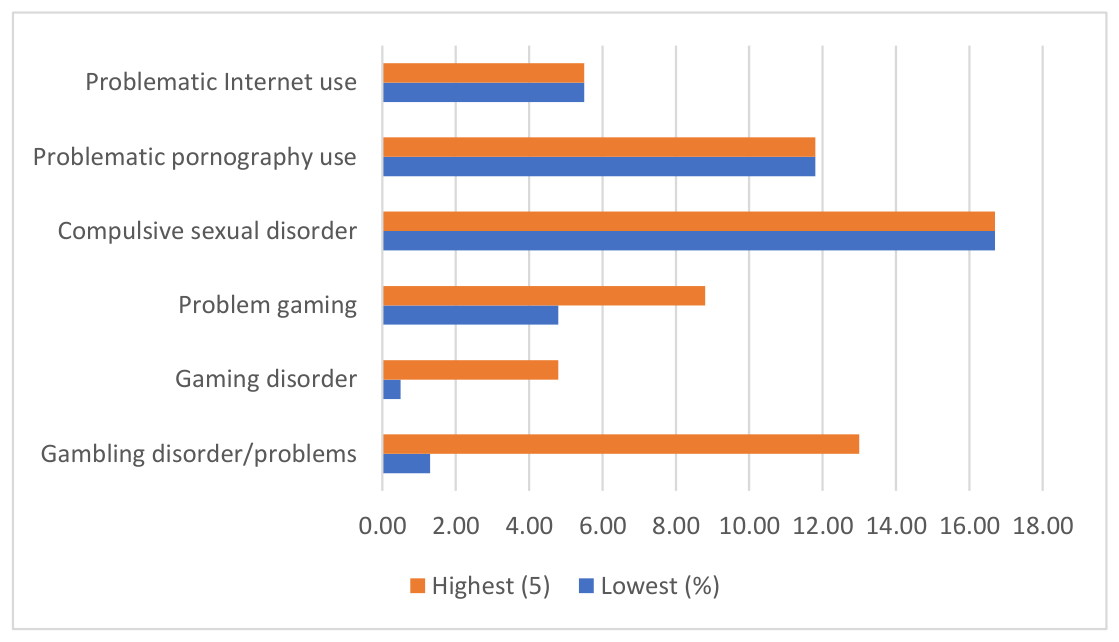
The most consistent evidence identified in this review concerns gambling-related problems in military personnel, active-duty and retired. Compared with civilians, military personnel and veterans appear to experience higher rates of gambling participation, risky gambling behaviors, and gambling-related harm (Fig.2). Reported prevalence estimates vary substantially according to population characteristics, assessment methods, and diagnostic criteria, but several studies indicate that gambling-related problems may occur at rates that exceed those observed in the general population. Furthermore, GD was repeatedly associated with PTSD, depression, anxiety disorders, substance misuse, impulsivity, suicidality, and financial difficulties. These findings support the conceptualization of GD not merely as an individual behavioral problem but as a condition with potentially important implications for military readiness, personnel retention, security clearances, and organizational functioning.
Gaming-related problems represent a second area of concern. Although gaming disorder appears less prevalent than gambling disorder, longitudinal evidence suggests that problematic gaming behaviors may increase during military service. Gaming may serve adaptive functions by facilitating social connection, stress management, identity reconstruction, and coping with deployment-related experiences. However, excessive gaming has also been associated with sleep deprivation, impaired occupational performance, mood disturbances, and, in extreme cases, severe functional impairment. These findings suggest that gaming behaviors exist on a continuum ranging from adaptive coping to clinically significant dysfunction, emphasizing the importance of distinguishing recreational engagement from pathological use.
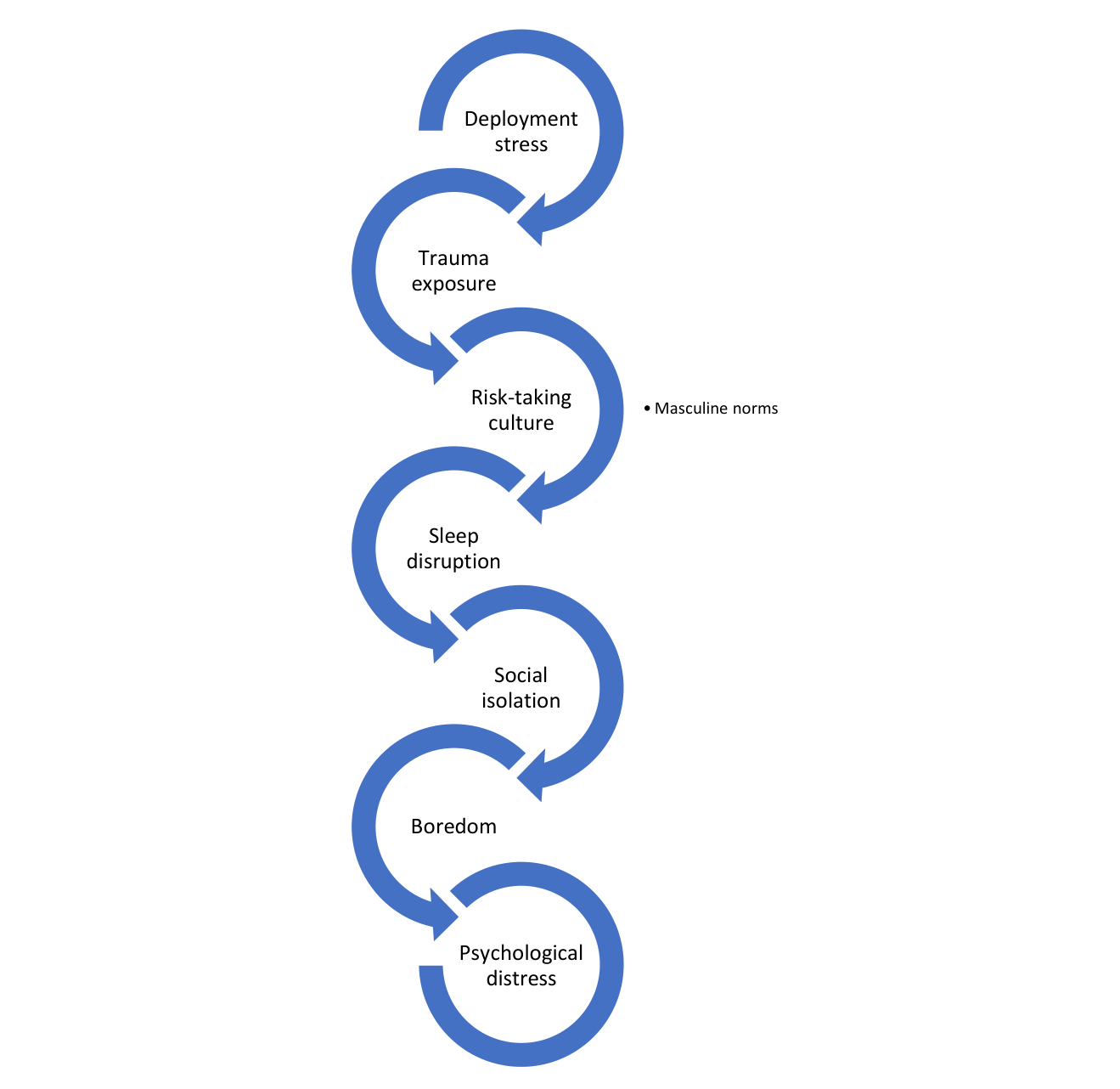
Based on the specific risk factors identified in the literature (Fig.3), policies targeting early interventions and therapeutic strategies may be conceptualized. The call for action theme of this article refers exactly to these unmet needs, of (1) improving the awareness within the military personnel, veterans, but also military physicians and trainers, about the existence of BAs, their first signs, evolution, and potential complications; (2) implementing strategies to mitigate deployment stress, trauma exposure, boredom and social isolation; (3) military psychiatrists and psychologists must be aware of the potential transformation of psychological distress into BAs, as maladaptive coping strategies; (4) regular mental health check-ups in vulnerable populations.
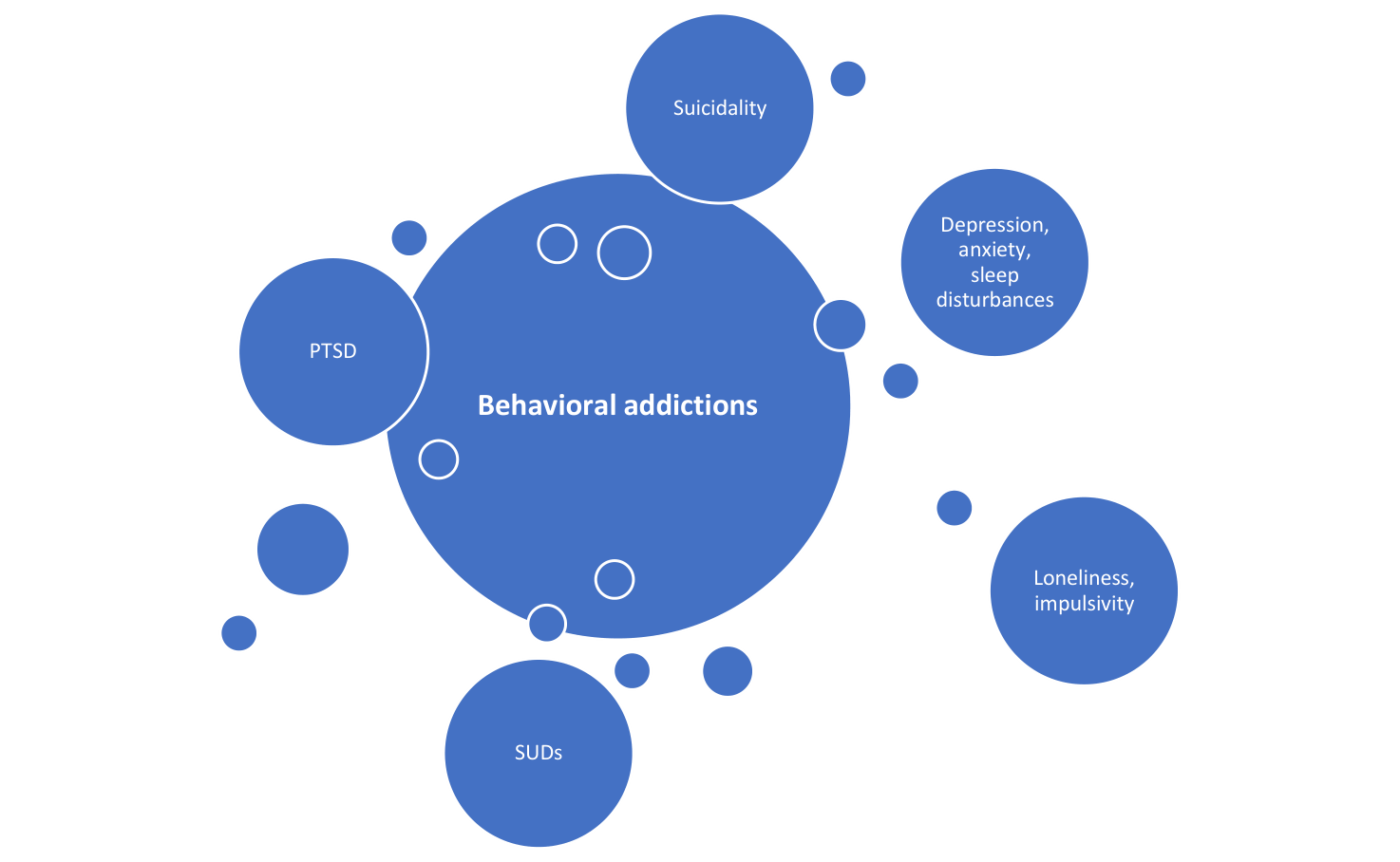
SUD= substance use disorder, PTSD= posttraumatic stress disorder
The available evidence also indicates that behavioral addictions rarely occur in isolation (Fig.4). This is an observation frequently reported in the general population, especially between SUDs and BAs, further complicating the detection and management of behavioral addictions [57,58]. Across studies, PTSD, depression, anxiety disorders, substance use disorders, loneliness, boredom, impulsivity, and trauma exposure emerged as recurrent correlates of gambling disorder, gaming disorder, compulsive sexual behavior, and problematic pornography use. These observations support a transdiagnostic perspective in which behavioral addictions represent manifestations of broader psychological distress and maladaptive coping processes. The clustering of behavioral addictions with psychiatric comorbidity suggests that screening and treatment efforts should be integrated into existing military mental health services rather than implemented as isolated interventions.
Another important finding concerns barriers to treatment engagement. This means that significant delays in addressing health services may be due to veterans and service members frequently reporting stigma, shame, fear of appearing weak, concerns regarding career consequences, and limited awareness of available therapeutic options. These barriers are consistent with previous research showing that many military personnel experiencing significant psychological distress fail to recognize their need for treatment or avoid seeking help because of attitudinal and organizational factors [7,9]. Consequently, BAs may remain undetected until substantial psychosocial, occupational, or financial consequences have already developed. Although specific treatments for BAs are mostly psychosocial, several therapeutic strategies may be extrapolated from SUDs; also, due to the high rate of SUD-BA comorbidity and SUD complications that may be met in this dual-diagnosed population, a detailed knowledge of the available and pipeline therapies is required [59-64].
From a policy perspective, the current evidence reveals several important gaps. First, no screening instruments have been specifically developed and validated for the detection of behavioral addictions in military populations. Second, routine screening practices remain uncommon despite the documented associations between behavioral addictions and adverse mental health outcomes. Third, evidence-based treatment protocols specifically tailored to military personnel and veterans remain limited. Finally, behavioral addictions are frequently absent from military prevention policies despite their potential impact on readiness and force protection.
PTSD= posttraumatic stress disorder, SUD= substance use disorder
Based on the available evidence, a military-specific prevention framework may be conceptualized across three levels. Primary prevention should focus on psychoeducation, resilience promotion, digital literacy, responsible gambling education, financial counseling, and stigma reduction. Secondary prevention should include routine screening in primary care, mental health services, deployment-related assessments, and transition programs for personnel leaving active duty. Tertiary prevention should emphasize confidential referral pathways, integrated treatment approaches addressing co-occurring psychiatric disorders, relapse prevention interventions, and rehabilitation programs designed to facilitate recovery while preserving occupational functioning whenever possible. Such a model is consistent with similar policies discussed in the literature for the general population, targeting the reduction of risk factors for BAs, promoting early detection, and increasing the availability of treatments for patients [65-69].
Compared with similar research in the literature, no source was found that included a detailed evaluation of all BAs in a military environment. Of course, since this is not a systematic review, possible relevant sources may have been missed. Regarding the call for action message of this article, it is supported by data in the literature. For example, Etuk et al. (2020) identified GD as a significant yet under-recognized problem among U.S. veterans, closely linked to PTSD and other mental health difficulties, and highlighted the need for improved screening, integrated treatment, and veteran-focused research [70]. Also, Hoyt et al. (2022) argue that GD remains under-recognized within military behavioral health services and advocate for integrated screening and treatment approaches that address gambling alongside substance use and co-occurring mental health conditions [71].
Several limitations of this research must be acknowledged. First of all, the available literature is heavily weighted toward GD, while evidence regarding problematic pornography use, CSB, PUI, compulsive shopping, ultra-processed food addiction, and exercise dependence remains scarce. Secondly, considerable heterogeneity exists regarding diagnostic criteria, screening instruments, and study populations, limiting direct comparisons across studies. Most investigations were cross-sectional, preventing causal inferences regarding the relationships between behavioral addictions and psychiatric comorbidity. Thirdly, as mentioned before, the methodology of the current study was not that of a systematic review, leaving open the possibility of missing relevant sources. Also, no quality appraisal was performed on the identified sources.
Future research on BAs among military personnel should prioritize longitudinal studies, military-specific screening tools, intervention trials, and investigations in active-duty populations outside North America. For this purpose, increased awareness is first needed about the risk factors, evolution, and negative consequences of BAs, which means implementing psychoeducation programs and mental health policies adjusted to the unmet needs of patients with such addictions.
Overall, the findings reviewed here indicate that BAs should be regarded as an emerging military health issue that intersects with mental health, occupational performance, and force readiness. Greater recognition of these conditions may facilitate earlier identification, improve treatment access, and reduce the individual and organizational burden associated with behavioral addictions.
Behavioral addictions represent an important but insufficiently recognized challenge within military and veteran populations. The available evidence indicates that gambling disorder, gaming disorder, problematic pornography use, compulsive sexual behavior, and problematic internet use are associated with trauma exposure, psychiatric comorbidity, psychosocial impairment, and reduced operational readiness. Military-specific factors, including deployment stress, social isolation, boredom, sleep disruption, risk-taking culture, and barriers to help-seeking, appear to increase vulnerability to these conditions. Consequently, BAs should be incorporated into military mental health strategies through routine screening, psychoeducation, early intervention, and integrated treatment pathways.
The development of validated military-specific assessment tools and evidence-based prevention programs should be considered a research and policy priority. Addressing behavioral addictions proactively may improve both individual well-being and the effectiveness, readiness, and resilience of military organizations.
The authors declare no conflict of interest. This research received no external funding.
Generative AI was used for grammar and stylistic revision. The authors assume the entire responsibility for the final content of the article.
Conceptualization, O.V; methodology, O.V., A.G.M., B.M.P., C.A.S.; software, C.T., C.AC., C.A.S.; validation, O.V., A.G.M., B.M.P., D.U., C.F., R.B.B., M.D; formal analysis, O.V., A.G.M., B.M.P., C.A.C., C.A.S.; investigation, O.V., A.G.M., B.M.P., D.U., R.B.B., C.A.S.; resources, O.V.; data curation, O.V., A.G.M., B.M.P., C.A.C., C.T.; writing—original draft preparation, O.V.; writing—review and editing, A.G.M., B.M.P.; visualization, D.U., C.F., R.B.B., M.D., C.A.S.; supervision, O.V., A.G.M., B.M.P.; project administration, O.V. All authors have read and agreed to the published version of the manuscript.
Not applicable.