
Across the world, sportspeople and recreational athletes are exposed to demanding conditions through work demands and intense physical activity in their daily activities(1). These daily activities place significant demands on these athletes’ physical fitness and performance, exposing them to a high risk of musculoskeletal injuries(2).
Some of these injuries, while undesirable, are likely unpreventable due to the unfavorable conditions of the service in which they are performed(3). However, it is important to recognize that a substantial proportion of these injuries can be attributed to controllable factors, such as training, fitness components, equipment, and preventative factors(4). It is within this preventative context that the intermittent pneumatic compression (IPC) method fits.
IPC has been used as an innovative method, as it aims to reduce edema, increase lymphatic return, increase blood flow, and consequently reduce local pain, which in theory could bring greater benefits to the recovery of individuals after physical stress(5). Furthermore, compression boots are a low-cost, non-invasive, fast, and safe method, free of radiation, highly reproducible, and can be easily included in any activity routine, so that these do not affect and/or have their prevalence reduced(6).
The effects of IPC on muscle recovery during training and sports performance still lack consensus in the scientific literature(7). There is a progressive increase in the number of athletes and professionals using this strategy as a post-exercise recovery tool, but available data are still limited and sometimes contradictory regarding its effectiveness(5).
Studies have investigated the physiological effects of IPC, such as the reduction of inflammatory markers, the perception of muscle soreness, and improved metabolite clearance. However, results vary depending on the protocol used, the intensity of the exercise, and the characteristics of the population studied. Despite the growing popularity of IPC as a recovery strategy, there are still no systematic reviews or robust meta-analyses that comprehensively investigate its effects on parameters such as delayed onset muscle soreness (DOMS) and functional recovery in athletes and physically trained individuals(6, 8, 9).
Furthermore, recovery responses may differ between high-level athletes and recreational athletes due to training-specific neuromuscular, cardiovascular, and metabolic adaptations. This reinforces the need for controlled studies with methodological rigor that stratify participants according to training level and comprehensively assess both objective and subjective markers of physical recovery(10).
Therefore, the objective of this study was to analyze the effects of intermittent pneumatic compression (IPC) using boots on muscle soreness and physical recovery in trained individuals after acute interventions involving aerobic and anaerobic exercise, performed alone or in combination, including training sessions, physical tests, games, and sports competitions.
A systematic literature review was carried out considering the PRISMA (Preferred Reporting Items for Systematic Reviews and Meta-Analyses) methodological guidelines (11) for data reporting, registered in the Prospective Register of Systematic Reviews (PROSPERO) database (registration number: CRD42024530298) and following the PICOS eligibility criteria (population, intervention, comparison, outcome of interest, and type of study)(12).
The search was conducted in January 2025 in the Cochrane Library, Scopus, Web of Science, and MEDLINE/PubMed databases, using a group of two relevant vocabulary terms in Portuguese and their English counterparts from the Health Sciences Descriptors (DeCS) and Medical Subject Headings (MeSH): (“intermittent pneumatic compression devices” or “compression boot” or “external pneumatic compression”) and (“myalgia” or “muscle pain” or “muscle soreness” or “muscle sorenesses” or “muscle tenderness”) (a detailed description of the full search strategy is available in Appendix A).
No filtering was used for this search. This led to the identification of 106 potential studies for inclusion in the analysis, and all studies found in this search were entered into the Rayyan platform (available at https://www.rayyan.ai/).
Studies were considered eligible and included in this review if they met the PICOS criteria: Population (P): Healthy adult individuals; Intervention (I): Use of intermittent pneumatic compression (IPC) method; Comparison (C): Comparison group with any other preventive method, with/without control group; Outcome (O): Flexibility, perceived exertion, biochemical markers, performance, pain intensity; and Study (S): Randomized clinical trials.
Additionally, a manual search of the bibliographic references of the previously included studies was conducted to identify potentially relevant publications that had not been retrieved in the initial stages of the systematic search. However, no new eligible studies were found that were not already included in the selection results based on the established inclusion and exclusion criteria. Additionally, the titles of the eight initially selected studies were entered into the Connected Papers platform (https://www.connectedpapers.com/) to identify related, potentially relevant articles that might have been omitted by the databases used. This strategy resulted in the identification of two additional studies, which were subsequently manually included for analysis of their respective abstracts.
The inclusion criteria for studies are described below: a) level of evidence 2 or higher; b) use of pneumatic compression boots; c) studies investigating intermittent pneumatic compression as a recovery strategy in trained individuals or recreational, amateur, or professional athletes; d) studies that included aerobic and anaerobic exercises, performed alone or in combination, including training sessions, physical tests, games, and sports competitions; athletes; e) studies that described at least one clinical outcome, such as: 1) muscle soreness intensity; 2) perception of fatigue; 3) blood markers of muscle damage/fatigue; 4) aerobic, power, and/or strength physical tests; and 5) range of motion (ROM) and/or flexibility.
Randomized controlled clinical trials published in English, Portuguese, and Spanish, regardless of the year of publication, whose objective was to evaluate the applicability of the intermittent pneumatic compression method, were included.
Studies that: a) investigated the upper limbs, b) did not include intermittent pneumatic compression as an intervention, and c) were systematic reviews, cohort studies, pilot studies, abstracts, or unpublished studies were excluded from the sample.
The methodological quality of the included studies was assessed using the Quality Assessment Tool (TESTEX) for exercise science studies. This 12-item, 15-point scale is divided into two sections: 5 points for methodological study quality and 10 points for reporting quality. Some of these criteria include intention-to-treat analysis, monitoring of activities in the control group(s), keeping relative exercise intensity constant, exercise volume characteristics, and energy expenditure(13). Two reviewers independently scored the studies and compared any discrepancies to reach a consensus on the final score. In case of discrepancies, a third reviewer was consulted.
Risk of bias was assessed by two independent reviewers using the Cochrane Risk-of-Bias Tool for Randomized Trials (Cochrane ROB 2)(14), in which seven domains were assessed: randomization process, deviations from intended interventions, missing outcome data, outcome measurement, incomplete outcome data, outcome selection, and other biases. Each domain was assessed for risk of bias. Studies were classified as (i) “low risk of bias” when a low risk of bias was determined for all domains; (ii) “unclear” if at least one domain was assessed as raising some concerns, but without a high risk of bias for any single domain; or (iii) “high risk of bias” when a high risk of bias was reached for at least one domain or the trial studied included some concerns across multiple domains(15). A third available reviewer was consulted in case of disagreement.
Two independent reviewers extracted relevant data (study participant characteristics, number and age of participants, intermittent compression methods used, weekly frequency, functional capacity assessed (e.g., strength, power), muscle damage markers (e.g., creatine kinase (CK) levels), subjective perception of recovery, flexibility, performance, and pain intensity). The same method was applied to review the full-text articles. In case of discrepancies, a third reviewer was consulted for the final determination on the articles.
The complete descriptions of the treatments in the included studies were extracted using the “Template for Intervention Description and Replication” (TIDieR), a checklist composed of 12 items, designed with the aim of identifying and encouraging improvements in the description of interventions in randomized clinical trials, with sufficient details to allow their replication(16, 17).
Treatment effects were quantified using standardized mean differences (SMD) with 95% confidence intervals (95% CI), as the included studies assessed similar outcomes using different measurement scales. A negative SMD value indicates a favorable effect of the intervention (intermittent pneumatic compression) compared to the control group.
A fixed-effects model was adopted for flexibility, subjective perception of recovery, and delayed onset perception of recovery outcomes, considering the expected clinical and methodological heterogeneity among studies (e.g., differences in exercise protocols, populations, and IPC application parameters). Only for the biochemical marker outcome was a random-effects model adopted.
Heterogeneity was assessed using the I² statistic and Chi-square test, with I² values interpreted as low (<25%), moderate (25– 50%), or high (>50%). All analyses were conducted using Review Manager (RevMan, version 5.4). In studies that presented only graphs as results, the “WebPlotDigitizer” software (https://automeris.io) was used for correct data extraction and subsequent use in the “Review Manager 5” software(16, 18-20).
The certainty of evidence was assessed by two independent and experienced reviewers using the Grading of Recommendations Assessment, Development, and Evaluation (GRADE) tool through the GRADE PRO website (available at https://gradepro.org) and could be classified as high, moderate, low, or very low(21). Evidence from clinical trial reviews begins with low certainty. At the same time, five aspects reduce the certainty of evidence: risk of bias; imprecision; inconsistency of results; indirect evidence; and publication bias. On the other hand, three aspects increase the certainty of evidence: the dose-response gradient of effect and confounding factors. For each aspect that met the criterion, the certainty increases by one level; if the criterion was not met, the certainty decreases by one level.
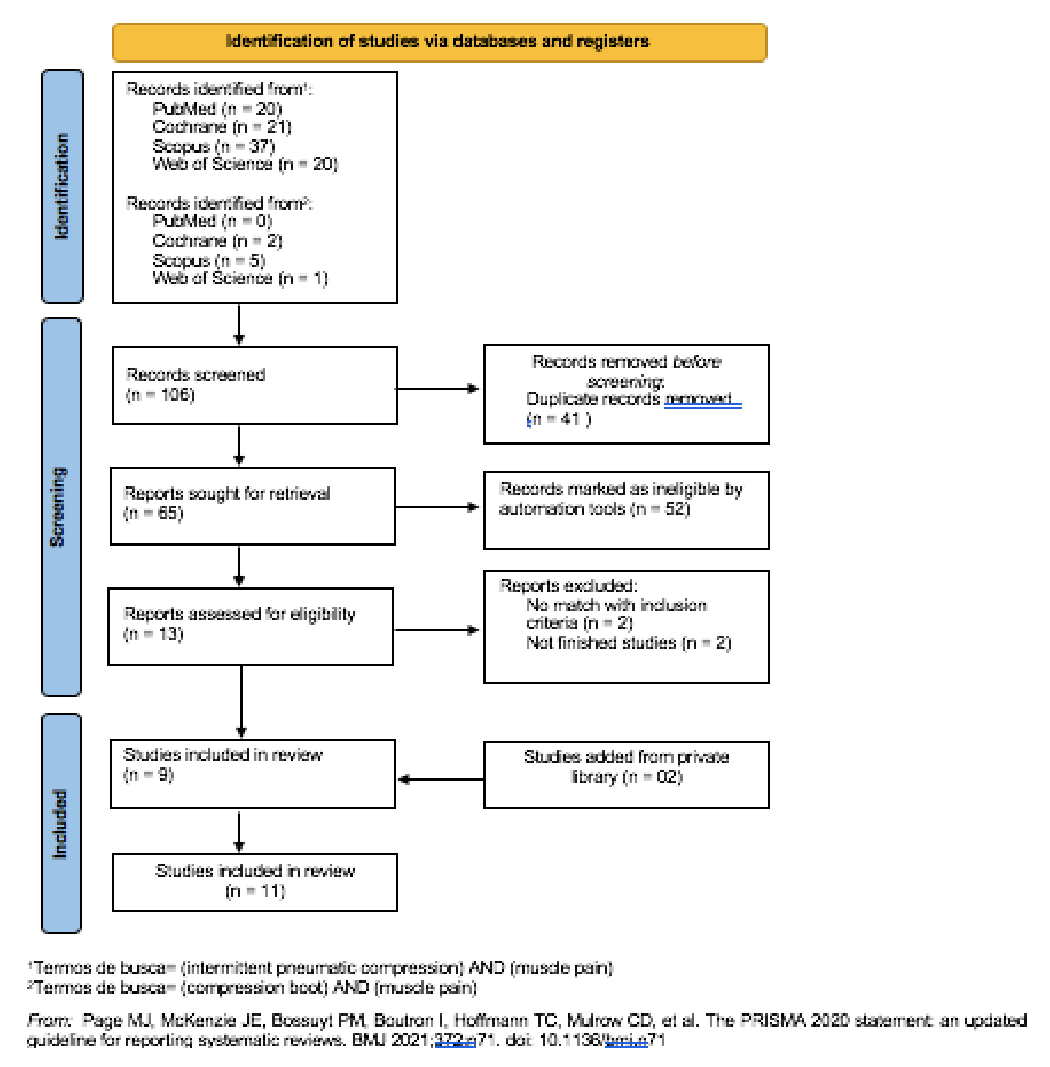
Initially, a total of 106 database abstracts were found from the initial search. The next step was to remove 41 duplicates. Further screening of the abstracts and titles led to the exclusion of another 52 articles, resulting in 13 articles being selected for abstract analysis, meeting the inclusion criteria, and being included in this step. Subsequently, five studies were eliminated: two for not being finalized, one for having the same content as another with a different title, one for being a systematic review(9), and one for being a cohort study(22). After this selection, eight studies were added. After listing each of these eight titles found on the Connected Papers platform (available at https://www.connectedpapers.com/), two additional studies were found(23, 24), resulting in a total of 10 articles that are part of the current systematic review. The detailed screening process is described in Figure 1.
The quality score of the 10 studies included in this review, based on the Quality Assessment Tool for the Assessment of Study Quality and Reporting in Exercise (TESTEX) scale for studies in the area of exercise science, was between 10 (8, 16, 19) and 15 (25) (Table 1), contributing to a risk of bias considered low (Table 2).
| Trials | 1 | 2 | 3 | 4 | 5 | 6 | 7 | 8 | 9 | 10 | 11 | 12 | Total |
|---|---|---|---|---|---|---|---|---|---|---|---|---|---|
| (8) | 1 | 1 | 1 | 0 | 0 | 2 | 1 | 2 | 1 | 0 | 1 | 0 | 10 |
| (23) | 1 | 1 | 0 | 1 | 0 | 3 | 1 | 2 | 1 | 0 | 1 | 1 | 12 |
| (19) | 0 | 1 | 1 | 0 | 0 | 3 | 1 | 2 | 1 | 0 | 0 | 1 | 10 |
| (16) | 1 | 1 | 0 | 0 | 0 | 3 | 1 | 2 | 1 | 0 | 0 | 1 | 10 |
| (20) | 0 | 1 | 1 | 1 | 0 | 3 | 1 | 2 | 1 | 1 | 1 | 0 | 12 |
| (18) | 1 | 1 | 0 | 1 | 0 | 3 | 1 | 2 | 1 | 0 | 1 | 1 | 12 |
| (24) | 0 | 1 | 1 | 0 | 0 | 3 | 1 | 2 | 1 | 0 | 1 | 1 | 11 |
| (25) | 1 | 1 | 1 | 1 | 1 | 3 | 1 | 2 | 1 | 1 | 1 | 1 | 15 |
| (26) | 1 | 1 | 1 | 0 | 0 | 3 | 1 | 2 | 1 | 1 | 0 | 1 | 12 |
| (27) | 0 | 1 | 1 | 1 | 0 | 3 | 1 | 2 | 1 | 1 | 0 | 0 | 11 |
Quality Assessment Tool for the Assessment of Study Quality and Reporting in Exercise (TESTEX) scale. 1 – Eligibility criteria specified; 2 – Randomization specified; 3 – Allocation concealment; 4 – Similarity of groups at baseline; 5 – Blinding of assessor; 6 – Outcome measures in 85% of participants, adverse events reported and attendance reported; 7 – Intention-to-treat analysis; 8 – Statistical comparisons between groups; 9 – Point measures and measures of variability for all outcome measures reported; 10 – Activity monitoring in control groups; 11 – Relative exercise intensity kept constant; 12 – Volume characteristics.
Table 2 presents the risk of bias analysis based on the Cochrane Risk-of-Bias Tool for Randomized Trials (Cochrane ROB 2)(28). Nine included studies (90%) had a low risk of bias, evidencing good control in the randomization process, blinding, control, and description of results(8, 16, 18-20, 24-27). Only one study (10%) (23) had a high risk of bias (detection bias).
| Study | Random sequence generation (selection bias) | Allocation concealment (selection bias) | Blinding of participants and personnel (performance bias) | Blinding of outcome assessment (detection bias) | Incomplete outcome data (attrition bias) | Selective reporting (reporting bias) | Other bias |
|---|---|---|---|---|---|---|---|
| Wiecha et al, 2021 | Low risk | Low risk | Low risk | Uncertain | Uncertain | Uncertain | Low risk |
| Draper et al, 2020 | Low risk | Low risk | Low risk | Uncertain | Uncertain | Uncertain | Low risk |
| Haun et al, 2017-a | Low risk | Low risk | Low risk | High risk | Low risk | Uncertain | Low risk |
| Haun et al, 2017-b | Low risk | Low risk | Low risk | Low risk | Low risk | Uncertain | Uncertain |
| Heapy et al, 2016 | Low risk | Low risk | Low risk | Uncertain | Low risk | Uncertain | Low risk |
| Northey et al, 2016 | Low risk | Low risk | Low risk | Uncertain | Low risk | Uncertain | Low risk |
| Hoffman et al, 2015 | Low risk | Low risk | Low risk | Uncertain | Low risk | Uncertain | Low risk |
| Sands et al, 2015 | Low risk | Low risk | Low risk | Uncertain | Uncertain | Uncertain | Low risk |
| Martin et al, 2015 | Low risk | Low risk | Low risk | Low risk | Low risk | Uncertain | Low risk |
| Kim et al, 2001 | Low risk | Low risk | Low risk | Uncertain | Uncertain | Uncertain | Low risk |
Risk of bias of the included studies. 1 – Bias resulting from the randomization process; 2 – Bias due to deviations from planned interventions; 3 – Bias due to lack of outcome data; 4 – Bias in outcome measurement; 5 – Incomplete outcome data; 6 – Bias in selection of the reported outcome; and 7 – Other biases. Low risk (green), Uncertain (yellow), high risk (red).
Table 3 presents the full descriptions of the treatments used in the included studies, using the “Template for Intervention Description and Replication” (TIDieR) tool. This analysis showed that all studies found can be replicated, as they adequately included the items in this tool, such as the name, a logical basis, description of the materials used, procedures and clearly stated the application sites.
The characteristics of the studies included in the systematic review are described in Table 4. Among the 10 studies analyzed, six are Randomized Clinical Trials(16, 18-20, 26, 27), one double-blind (26) and three crossover randomized clinical trials(8, 23, 24). Overall, the studies included patients from four countries: USA (n=191), Australia (n=12), Poland (n=45), and New Zealand (n=56). The total population of the selected studies consisted of 304 healthy volunteers, with unequal gender distribution (male: n=267; female: n=37). Across all studies, the average sample size ranged from 10 to 72 volunteers.
The mean sample size for the intervention group was 20.27 individuals, and for the control group, 11.45 individuals. The mean age of the study population was 28.4 years. Only one study investigated participants with a mean age over 40 years(19), and one of them did not report the mean age of the participants(16).
Legend: E = Experimental Group; C = Control Group; S = Yes; N = No.
| Studies | Brief name — E | Brief name — C | Logical basis — E | Logical basis — C | Materials — E | Materials — C | Procedures — E | Procedures — C | Supplier — E | Supplier — C | How — E | How — C | Where — E | Where — C | When and how much — E | When and how much — C | Customization — E | Customization — C | Modified — E | Modified — C | How well planned — E | How well planned — C | How current — E | How current — C |
|---|---|---|---|---|---|---|---|---|---|---|---|---|---|---|---|---|---|---|---|---|---|---|---|---|
| (8) | S | S | S | S | S | S | S | S | S | S | S | S | S | S | S | S | N | N | N | N | S | S | S | S |
| (23) | S | S | S | S | S | S | S | S | S | S | S | S | S | S | S | S | S | S | N | N | S | S | S | S |
| (19) | S | S | S | S | S | S | S | S | S | S | S | S | S | S | S | S | N | N | N | N | S | S | S | S |
| (16) | S | S | S | S | S | S | S | S | S | S | S | S | S | S | S | S | N | N | N | N | S | S | S | S |
| (20) | S | S | S | S | S | S | S | S | S | S | S | S | S | S | S | S | S | S | N | N | S | S | S | S |
| (18) | S | S | S | S | S | S | S | S | S | S | S | S | S | S | S | S | S | S | N | N | S | S | S | S |
| (24) | S | S | S | S | S | S | S | S | S | S | S | S | S | S | S | S | S | S | N | N | S | S | S | S |
| (25) | S | S | S | S | S | S | S | S | S | S | S | S | S | S | S | S | N | N | N | N | S | S | S | S |
| (26) | S | S | S | S | S | S | S | S | S | S | S | S | S | S | S | S | N | N | N | N | S | S | S | S |
| (27) | S | S | S | S | S | S | S | S | S | S | S | S | S | S | S | S | N | N | N | N | S | S | S | S |
Four studies involved well-trained volunteers (8, 16, 19, 26). Three studies included runners (16, 19) and (8). Two studies included strength-trained men (20) and (18). Two studies included physically active volunteers (27) and (25), and one study included professional athletes (26). Two other studies chose healthy participants (24) and(23). Detailed information on training status is presented in Table 4.
All studies used pneumatic compression boots, and the comparators were: massage (16, 19), control (rest with extended legs)(19, 20), control (no treatment)(8), control (electrodes off)(25), control (boots off)(18, 23, 24, 26), local warming with hot water (27) and intermittent negative pressure (25).
Considerable variation was observed in the therapeutic parameters used in the studies found. IPC was used with different therapy times. The average boot application time was 39.3 minutes, ranging from 15 (26) to 120 (8, 18, 23, 27) minutes. Regarding compression pressures, four studies used 70 mm Hg (18, 23, 24, 27), four authors used 80 mm Hg(16, 19, 25, 26), one study used 220 mm Hg(20), two studies used a system that varied the pressure from 90 mm Hg to 100 mm Hg (8) and from 70 mm Hg to 80 mm Hg(26).
The reviewed studies showed considerable variations in IPC application protocols. Most investigations adopted a single IPC application immediately after the fatigue protocol (16, 19, 22, 24, 27). Only one study employed IPC continuously, for five consecutive days, for therapeutic purposes(8), while another study conducted three sessions on a single day(26). Furthermore, three studies applied IPC at different time points after induced fatigue, specifically 1 hour, 24 hours, and 48 hours post-exercise (18, 23, 25). Notably, only one study adopted two IPC sessions at different time points, immediately after fatigue and again 24 hours later(20).
In order to induce muscle damage, five studies used running for this purpose (8, 16, 19, 23, 24, 27). Among running as an intervention method, two of them adopted short runs: High-Intensity Interval Training (23) and Loughborough Intermittent Shuttle Test (27). Two other studies addressed ultramarathons (16, 19), and one study only used intermediate-volume running (8) as an intervention protocol. Two studies used the squat exercise: 10 sets of 5 repetitions at 80% 1RM (18) and 10 sets of 10 repetitions at 70% 1RM(20). Another way to induce muscle fatigue was the Wingate anaerobic test, with 7.5% of the individual’s body weight as resistance (24). One study used plyometric exercises for this purpose(25). Because they included professional athletes among the participants, another study did not intervene in their routines, using only routine morning training (26). It is worth noting that Sands et al. (2015) used a sample of 24 highly trained individuals from the US Olympic Center to apply pneumatic compression boots after a training session, whose sports were wrestling, Greco-Roman wrestling, triathlon, track cycling, weightlifting, modern pentathlon, and shooting.
The most common compression method used was a cycle of 30 seconds of inflation and 30 seconds of deflation (8, 18, 23, 26). Three studies used a cycle of 30/40 seconds of inflation and 15 seconds of deflation (16, 19, 20). Two studies did not specify the type of cycle used in their intervention(25, 27), and one study used a cycle of 60 seconds of inflation and 30 seconds of deflation(24).
The most commonly measured outcome parameters were those related to creatine kinase (CK) concentration (16, 18, 19, 23, 25). Perceived recovery rate (PSR)(19); pressure pain threshold (18, 23, 26); performance in the 400-meter test (16); average power, fatigue index, peak power, and blood lactate concentration(24); Reactive Protein (CRP)(8); subjective perception of recovery and muscle soreness through the Visual Analog Scale (VAS)(8, 16, 25, 27); flexibility (18, 23); muscle glycogen (27), and Lactate Dehydrogenase (LDH)(25). Isokinetic quadriceps torque, squat jump test, and countermovement jump test were also analyzed in one study (20).
The following outcomes were meta-analyzed in the present study: flexibility, perceived recovery (PSR), biochemical marker (CK), and delayed-onset muscle soreness. The effect size was calculated by Standardized Mean Difference (SMD) with a 95% confidence interval (CI). When calculating the effect size, the negative sign means larger effects for the Experimental Group (EG) when compared to the Control Group (CG). The diamond represents the average effect size of the studies included in each outcome and should be interpreted equally.
Figure 2 presents a meta-analysis of the outcomes related to flexibility investigated after 24, 48, 72, 96, and 120 hours. Three studies and 12 analyses were included, and the pooled effect size, calculated using a fixed-effects model, showed a significant effect in favor of the experimental group (SMD = -0.30; 95% CI: -0.56 to -0.05), and significant differences were found in favor of the experimental group (z = 2.35, p = 0.02). The Q test showed low heterogeneity (p = 0.30, I² = 15%). There was no effect (p = 1.00, I2 = 0%) in the test for subgroup difference.
| Author | Type of study/year | Participants | Intervention | Intervention vs. Control Group | Study Variables | Outcomes |
|---|---|---|---|---|---|---|
| (8) | ERC/ 2020 | 10 US endurance athletes (marathoners, ironman triathletes) 5 men 5 women 18-55 years old | 2 x 20 mile runs at 70% VO2 max over a 3-4 week period | IPC group used 60 min (NormaTec from 90mm Hg to 100mm Hg) 1hr, 24hr, 48hr, 72hr, 96hr, 120hr post IPC Vs. Control Group (CG) received no intervention 1hr, 24hr, 48hr, 72hr, 96hr, 120hr post Placebo | CRP VAS | IPC x CG CRP (24hr↑*, 48hr↑, 72hr↑, 96hr↔120hr) VAS (24hr↑*, 48hr↑*, 72hr↑, 96hr↑, 120hr↔) |
| (18) | ECR/ 2017-b | 20 well-trained US males 19-24 years old, BM (kg) = 78.9±3.2, Height (cm) = 177±3.9, BMI (kg/m2) = 25.6±1.6 | 10 sets of 5 reps of squats at 80% 1RM for 3 days in a row | IPC Group (n=10) (NormaTec™, 70mm Hg for 60min, Cycle 30sec/30sec) vs. Control Group (n=10) (boots not inflated for 60 min) | Vastus Lateralis Biopsy LDP Oxidative Stress CK Flexibility | IPC x CG CK (72-120hr↑*, 144-168hr↑) Flexibility (72hr↑*, 96hr↑, 120hr↑*, 144hr↑, 168hr↓) CRP (48-168hr↑) LDP (72hr↓*, 96hr↓, 120hr↓*, 144hr↓, 168hr↔) |
| (19) | ECR/ 2016 | 56 New Zealand male ultramarathon runners (Tarawera race) 34-52 years old, BMI (kg/m2) = 24.3±2.3 | One of three races: 62.7km or 87.4km or 102.8km | IPC Group (n=18) used Recovery Pump LLC for 20 minutes at 80mm Hg 3 days of treatment Vs. Massage Group (MG) (n=19) received 20 min of lower limb massage, 3 days of treatment Cycle 30-40sec/15sec Vs. Control Group (CG), passive recovery for 20 min (n=19) 3 days of observation | DOMS LL Fatigue (PSR) VAS Plasma CK 400m time | IPC x CG 400m time (pre↔, 72↔120hr) VAS (pre↑*, post↑*, 24hr↑*, 48-120hr↑, 144-336hr↔) Fatigue (pre-post↑*, 24-72hr↑*,96-120hr↑, 144-336hr↔) |
| (16) | ECR/ 2015 | 72 US ultramarathoners (WSER 2015) men, Age (years) = 43±8 | Ultramarathon 161km Western States Endurance Run 2015 | IPC Group (n=24) used Recovery Pump LLC for 20 minutes at 80mm Hg (Cycle 30-40sec/15 sec) Vs. Massage Group (MG) (n=25) performed lower limb massage for 20 minutes Vs. Control Group (CG) (n=23) rested for 20 minutes with legs extended | DOMS LL Fatigue (PSR) Plasma CK 400 m time | IPC x CG 400 m. tempo (72hr↑, 120hr↓) DMIT (pre↔, post↑*, 24-96hr↑*) Fatigue (pre↔, post↑, 24-68hr↑) CK (pre↔, post↑*, 24-96hr↑) |
| (20) | ERC/ 2016 | 12 healthy males Resistance training 3x weekly Australia 20-35 years old, Height (cm) = 180.4±9.7, BM (kg) = 84.8±9.6 | 10 sets of 10 squats at 70% 1RM | OV Group (FRBPC with 220mm Hg, 45 minutes, 4×3 minutes alternating limbs) Vs. IPC Group (RecoveryPump with 80mm Hg for 45 min) Vs. Control Group (CG) (lying down for 45 min) | DMIT MMII VAS S.J. CMJ Measure 1h and 24h | IPC x OV VAS (pre-post↑*, 1hr↑*, 24hr↑*) CMJ (pre-post↓*, 1hr↓*, 24hr↓) SJ (pre-post↓*, 1-24hr↓*) Control (pre-post↓*, 1hr↓*, 24hr↔) |
| (23) | ECR/ 2017-a | 18 male recreational athletes from the USA 19-24 years old, MC (kg) = 80.1±2.2, Height (cm) = 179±3, BMI (kg/m2) = 24.9±0.7 | HIIT 3 days in a row (15 sets of 45 seconds running + 45 seconds walking) | IPC Group (n=9) (NormaTec™, 70mm Hg for 60 min) Vs. Control Group (n=9) (boots not inflated for 60 min) 03 days of methods (PRE, POST1, POST2) Cycle 30sec/ 30 sec | CK Flexibility 6km performance Vastus Lateralis Biopsy | IPC x CG 6km performance (PRE, POST1↔, POST2↔) CK (PRE, POST1↑*, POST2↑*) Flexibility (PRE, POST1↔, POST2↔) |
| (24) | ERC/ 2015 | 14 apparently healthy US subjects (7 males, 7 females) Age 19.3-32.2 years BM (kg) = 72.6±11.1; Height (cm) = 174.6 ±9.5; BF (%) = 12.7±1.3 | Wingate Anaerobic Test 30sec with 7.5% body weight | IPC Group (NormaTec™, 70mm Hg for 30 min) vs. Control Group (CG) (boots not inflated for 30 min) | Peak Power (PP) Average Power (PM) Fatigue Index (PSR) CLac (pre, post, 5min, 15min, 25min, 35min) | IPC x CG PP↔, PM↔, PSR↔ CLac (pré, pós↑*, 5min↓, 15min↓*, 25min↓*) |
| (25) | ECRDC/ 2021 | 45 healthy adult Polish men 18-26 years 3-5 hours recreational activities/week | 5 sets of 20 drop jumps | 30 minutes in each group IPC Group (n=15) (BOA-Max 2 boot, 80mm Hg) Vs. PIN Group (n=15) (vacuum 24.7-36.7mm Hg) Vs. FTM Group (n=15) (electrodes off) | CK LDH Isokinetic strength VAS ROM QPT 1hr, 24hr and 48hr | IPC x PIN CK (pré, 1hr↔, 24-48hr↑*) LDH (pré, 1hr-48↓*) VAS (pré, 1hr↔, 24-48hr↑*) ROM (pré, 1-48hr↓*) QPT (pré, 1hr↓, 24-48hr↓*) |
| (26) | ECR/ 2015 | 24 highly trained individuals (USA Olympic Center) 12 men (ages 23-40) 12 women (ages 18-36) | Training session | IPC Group (70 to 80 mmHg for 15 min) N = 12 Vs. Control Group (CG) (boots not inflated for 15 min) N = 12 3 interventions on the same day (pre (pre1), immediate post (post1) and delayed post (post2)) | LDP in various parts of the MMII and PSR | IPC x CG Pre (Lateral gastrocnemius, biceps femoris, vastus lateralis) Post1 (Lateral gastrocnemius↓*, biceps femoris*, vastus lateralis*) Post2 (Lateral gastrocnemius↔, biceps femoris↔, vastus lateralis↔) |
| (27) | ECR/ 2001 | 26 trained US subjects (13 men and 13 women) 18-35 years Active 5x week for 60 min | 90 min LIST | IPC Group (70mm Hg) 60 min single leg intervention Other leg was control 1hr and 24hr Vs. Local Warming Group (GA) (water at 48-52°C) 60 min single leg intervention Other leg was control | Muscle Glycogen GM Muscle Function FM VAS 1hr and 24hr | IPC x GA GM (24hr↑*) VAS (1hr-24hr↔) FM (1hr-24hr↓) |
Abbreviations: RCT (Randomized Controlled Trial), ERC (Randomized Cross-over Trial), RCTDC (Double Blind Randomized Clinical Trial), IPC (Intermittent Pneumatic Compression), RPE (Perceived Exertion), CRP (Reactive Protein), SJ (Squat Jump), CMJ (Countermovement Jump), OV (Vascular Occlusion), PIN (Intermittent Negative Pressure), FTM (Fake Microcurrent Therapy), CK (Creatine Kinase), LDH (Lactate Dehydrogenase), IAG (Ice Water Immersion), LDP (Pressure Pain Threshold), HIIT (High Intensity Interval Training), CLac (Lactate Concentration), FRBPC (Flexiport Reusable Blood Pressure Cuff), LIST (Loughborough Intermittent Shuttle Test), VAS (Visual Analog Scale), DMIT (Delayed Muscular Onset Soreness), AL (Local Warming), GM (Muscle Glycogen), FM (Muscle Function), ROM (Range Of Motion), QPT (Quadriceps Peak Torque), NH (Hydration Level), QS (Sleep Quality), MC (Body Mass), Est (Height), BF (Body Fat), BMI (Body Mass Index).
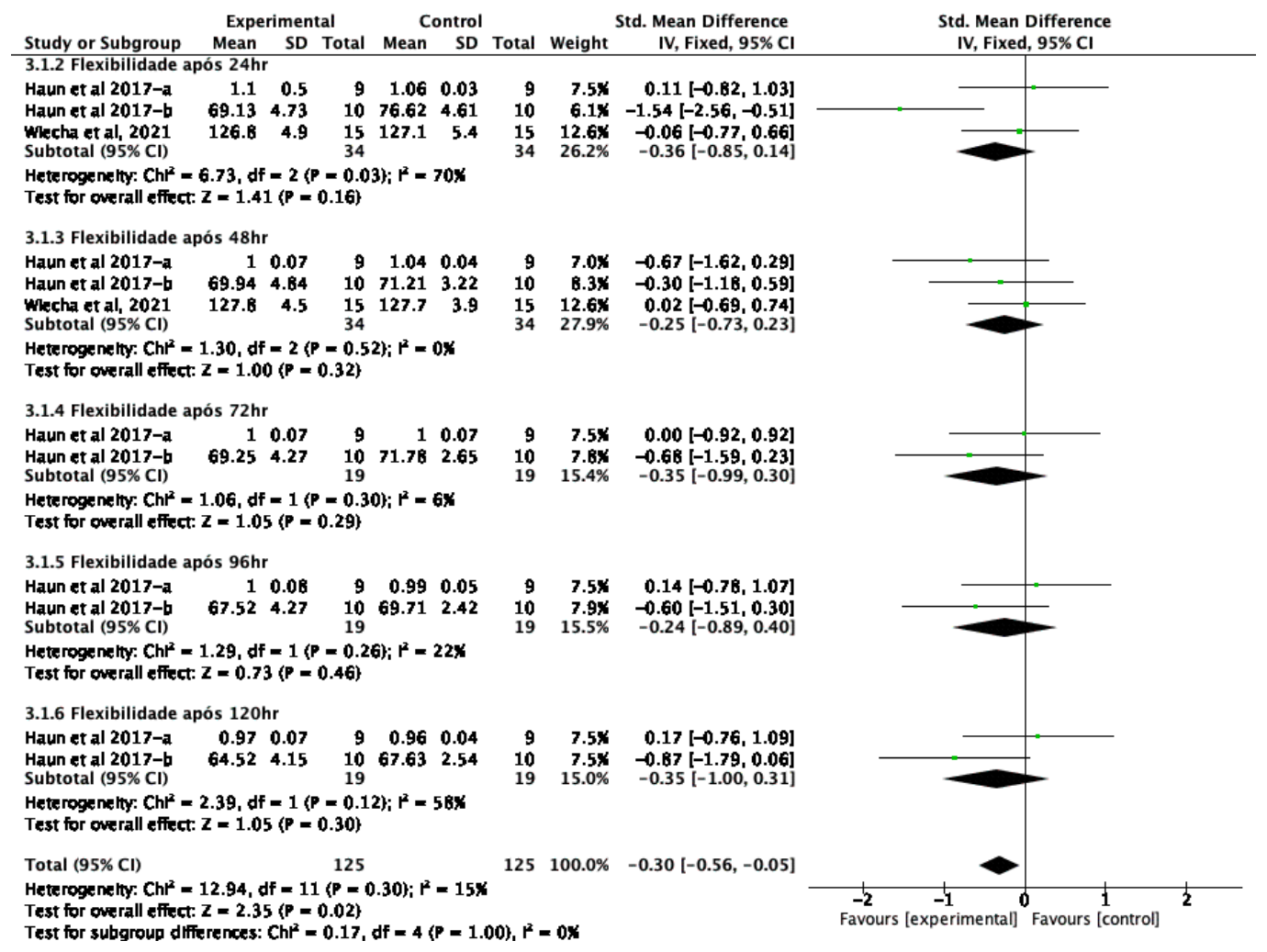
Figure 3 presents a meta-analysis of the outcomes related to PSR studied after 24, 48, 72, 96 and 120 hours after IPC. Two studies and 12 analyses were included, and the pooled effect size calculated using a fixed-effects model showed a significant effect in favor of the experimental group (SMD = -0.22; (95% CI: -0.40 to -0.05)), and significant differences were found (z = 2.48, p = 0.01) in favor of the experimental group. The Q test showed moderate heterogeneity (p = 0.06, I² = 42%). There was no effect (p = 0.98, I2 = 0%) in the test for subgroup difference.
Figure 4 presents a meta-analysis of the outcomes related to CK concentrations 24, 48, 72, 96 and 120 hours after the use of IPC. Three studies and 12 analyses were included, and the pooled effect size calculated using a random-effects model showed a significant effect in favor of the experimental group (SMD = -0.38 (95% CI: -1.19 to 0.43)), and no significant differences were found (z = 0.92, p = 0.36). The Q test showed high and true heterogeneity (p < 0.001, I² = 87%). There was no effect (p = 0.89, I2 = 0%) in the test for subgroup difference.
Figure 5 shows a meta-analysis of outcomes related to DOMS immediately, 1, 24, 48, 72 and 96 hours after IPC. Four studies and 16 analyses were included, and the pooled effect size calculated using a fixed-effects model showed a significant effect in favor of the experimental group (SMD = -0.34 (95% CI: -0.51 to -0.17)), showing significant differences in favor of the experimental group (z = 3.88, p = 0.0001). The Q test showed low heterogeneity (p = 0.69, I² = 0%). There was no effect (p = 0.41, I2 = 1.7%) in the test for subgroup differences.
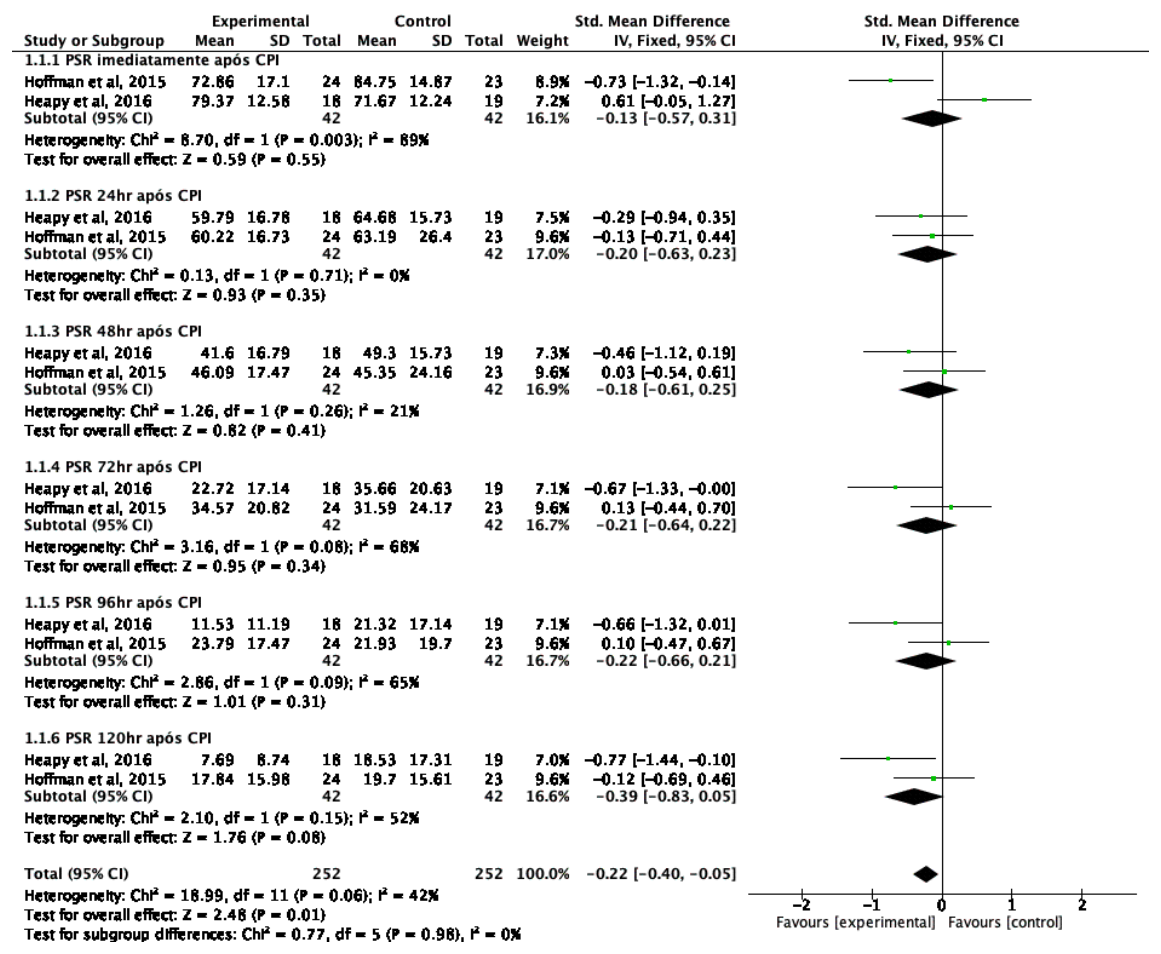
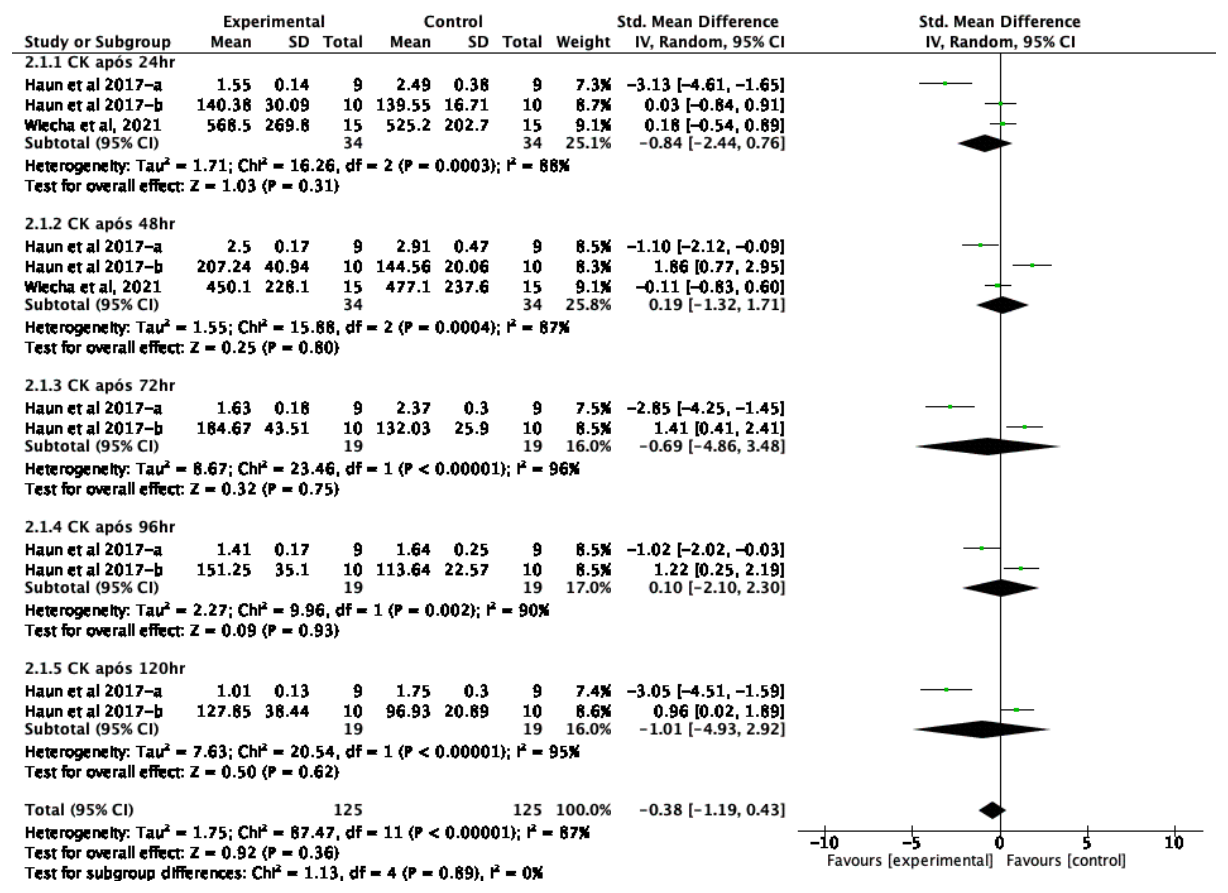
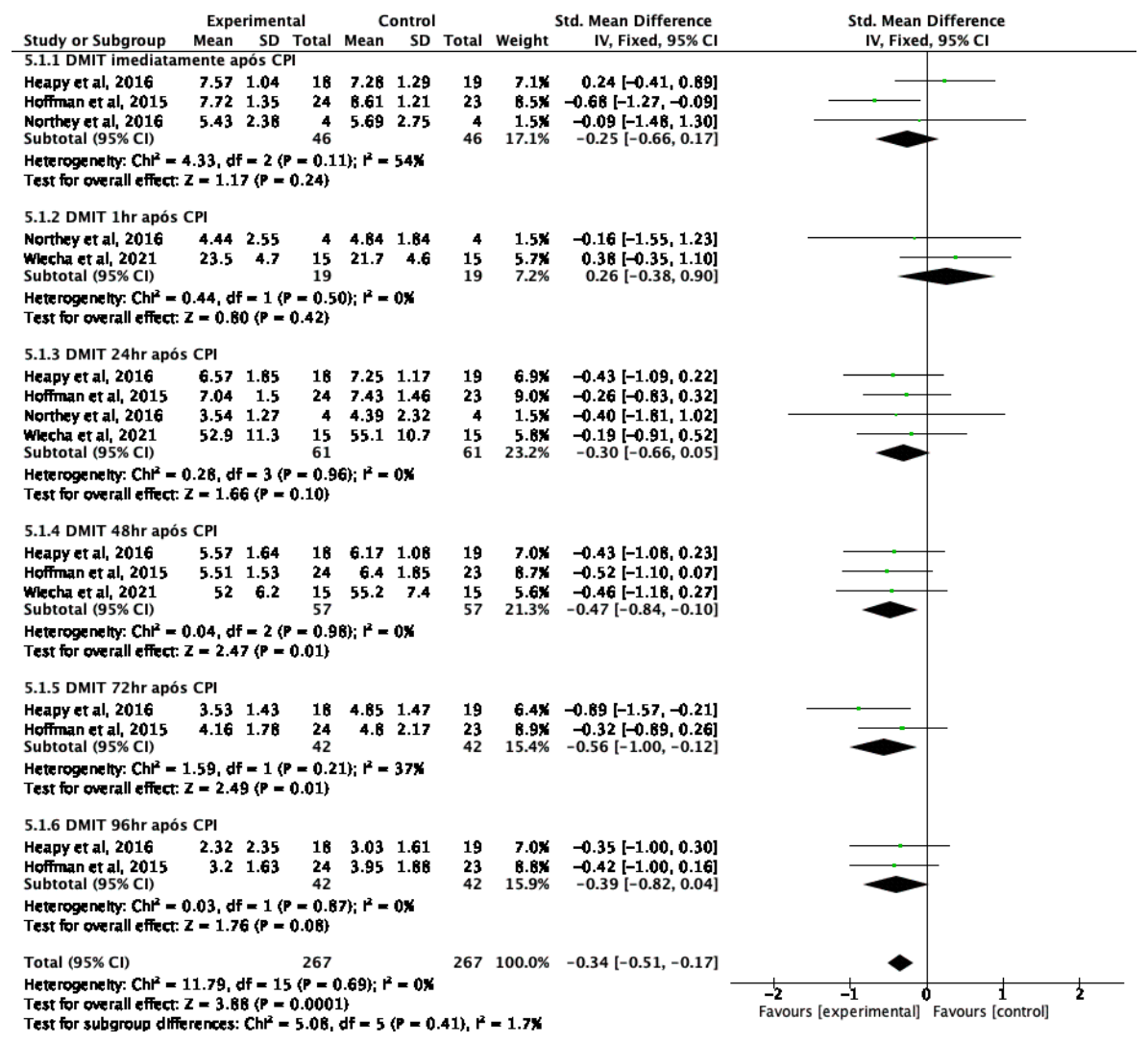
Table 5 shows the level of evidence of the studies included in the meta-analysis, which was considered high according to the GRADE tool, meaning there is high confidence in the estimated effect found. The downgraded aspect was the risk of bias (18) and the inconsistency found in the PSR based on the overlap of confidence intervals and heterogeneity testing. Furthermore, none of the other aspects (effect size, dose-response gradient, or confounding factors) increased the certainty of the evidence.
| № of Studies | Study Design | Risk of Bias | Inconsistency | Indirect Evidence | № of Studies | Study Design | № of participants — Risk of Bias | № of participants — Inconsistency | Certainty — Study Design | Importance — Risk of Bias |
|---|---|---|---|---|---|---|---|---|---|---|
| 4 | Randomized clinical trials | Not serious | seriousa | Not serious | Not serious | None | 103/206 (50.0%) | 103/206 (50.0%) | ⨁⨁⨁◯ Moderatea | IMPORTANT |
| 5 | Randomized clinical trials | Not serious | Not serious | Not serious | Not serious | None | 83/156 (53.2%) | 73/156 (46.8%) | ⨁⨁⨁⨁ High | IMPORTANT |
| 3 | Randomized clinical trials | seriousb | Not serious | Not serious | Not serious | None | 19/38 (50.0%) | 19/38 (50.0%) | ⨁⨁⨁◯ Moderateb | NOT IMPORTANT |
| 6 | Randomized clinical trials | Not serious | Not serious | Not serious | Not serious | None | 76/152 (50.0%) | 76/152 (50.0%) | ⨁⨁⨁⨁ High | IMPORTANT |
This study aimed to analyze the effects of the intermittent pneumatic compression (IPC) method on muscle pain and physical recovery of individuals after acute interventions involving aerobic and anaerobic exercises, performed in isolation or combined, including training sessions, physical tests, games, and sports competitions.
The relationship between the IPC method, muscle soreness, and post-exercise recovery is complex. Evidence suggests that the effectiveness of IPC may be related to the immediate preventive nature of the method (19, 25, 26). The present study did not find sufficient evidence to conclude on the effectiveness of IPC when administered for 48 hours (19), 96 hours, or 120 hours (8). The long-term nature of this method (48 hours or more) still appears to be contradictory. The effectiveness of IPC also appears to be similar when assessed in other physical components, such as lactate concentration, CK, DOMS, muscle glycogen concentration, and flexibility. In this sense, flexibility showed a heterogeneous direction in the results. One study observed a decrease in range of motion (ROM) 48 hours after exercise (25), while another observed the maintenance of flexibility in two assessments, 24 hours and 48 hours after the execution of High Intensity Interval Training (23). Other studies also reported an increase in flexibility after 72 hours, 96 hours, 120 hours and 144 hours of neuromuscular training using IPC (18). Regarding delayed onset muscle soreness (DOMS), positive effects of IPC were found when analyzed immediately, 24 hours and up to 96 hours after physical stress (16, 19), corroborating narrative review studies (29) and meta-analyses found in the literature (30, 31).
In response to prior exercise, one study found high-quality evidence that IPC was superior to placebo in reducing CK concentrations in trained young individuals (16). Regarding oxidative stress and proteolysis markers, IPC was effective in reducing pressure pain thresholds compared to placebo after 3 and 6 days of intervention, as well as in reducing muscle proteolysis and oxidative stress in trained men after neuromuscular intervention (18), and also after High Intensity Interval Training (23). However, one study did not observe improvements in CK concentration (19) in athletes undergoing ultramarathon running, and in three more invasive studies lasting 3 days, IPC was effective in reducing proteolysis when compared to the control group (16, 18, 23).
Regarding the perception of muscle fatigue, measured through the subjective perception of recovery (PSR), IPC was able to induce benefits related to PSR (16). The beneficial effect of IPC on perceived fatigue can be explained by a possible reduction in the space available for swelling and edema due to the compression applied to the limb, and smaller changes in osmotic pressure that ultimately provide better venous return (32). Haun et al. (18) and Haun et al. (23) reported that the use of the IPC method was able to decrease muscle discomfort when compared to a placebo group, although for unknown reasons. However, Wiecha et al. (25) found no reduction in CK markers immediately and up to 48 hours after intervention. These discrepancies in the findings can be explained by the different durations of the recovery period (8), the duration of compression applied (32), the amount of pressure applied (22), and the location where the compression was applied (31, 33). In addition to these extrinsic factors, some intrinsic factors, such as individual variability in sensitivity to blood flow changes and body composition, especially in the lower limbs, can also be considered (34).
Three studies analyzed the use of IPC and its effects on sports performance (16, 19, 23). The use of pneumatic compression boots was not superior in improving performance in successive 400-meter anaerobic tests after 72 and 120 hours. These findings corroborate those found by Haun et al. (23). Although positive effects were found in the use of compression boots in reducing CK and skeletal muscle proteolysis markers, no beneficial effect was found regarding sports performance. It may be possible that IPC is more effective in studies that have a neuromuscular test as an intervention, given the findings of Haun et al. (18).
Of the 10 studies included in this systematic review, six were meta-analyzed. Regarding flexibility, the Flexibility after 48 hours subgroup showed low heterogeneity. However, the variables analyzed among the three included studies showed no similarities. The study by Wiecha et al. (25) had greater weight in the meta-analysis. This was a double-blind clinical study with an intervention protocol of IPC for 30 minutes at a pressure of 80 mm Hg, after plyometric drop jump exercises, during a 2-day intervention. However, its results should be interpreted with caution, as they were influenced by the larger number of participants and lower variation between the results. Haun et al. (18) and Haun et al. (23) presented different interventions. Haun et al., (18) used neuromuscular exercises (10 sets of 5 repetitions of squats at 80% 1RM for 3 consecutive days) as an intervention, while Haun et al. (23) used a HIIT protocol for 3 consecutive days consisting of 15 sets with 45 seconds of running interspersed with 45 seconds of walking. However, one study showed an increase in the variable (18) and the other did not (23).
The outcome of PSR in IPC showed differences in favor of the experimental group, with PSR improving only when assessed immediately after IPC, despite its moderate degree of heterogeneity (I2 = 42%). The small number of studies (n = 2) and the different findings can be attributed to this high heterogeneity. The results favored the experimental group, i.e., greater muscle recovery values were found in the group that received IPC as the intervention method.
As shown in Figure 4, IPC and its relationship with the attenuation of CK levels were somewhat different. The intervention methods evaluated were neuromuscular and cardiovascular exercises, but no differences (p < 0.05) were found in the analyzed outcomes (CK after 24, 48, 72, 96, and 120 hours).
Through the analysis of the outcome related to DOMS, a difference (p<0.05) was found for this variable. Hoffman et al. (16) and Heapy et al. (19) subjected their sample to an ultramarathon, while Northey et al. (20) analyzed DOMS in men who underwent 10 sets of 10 squats at 70% 1RM. No heterogeneity was found (I2 = 0%) when comparing the groups evaluated, although some heterogeneity arises due to the different sample types.
The lack of control over some parameters during the intervention, as well as dietary and functional control after the intervention, may have influenced subsequent tests and assessments and, consequently, the outcomes and results of the physical components assessed. In addition to these factors, the different protocols and distinct modalities in which the IPC can be employed can generate varied outcomes. Although one double-blind study was analyzed in this study (25), most studies presented good methodological quality, with moderate/high certainty of evidence, with some being downgraded only after analyzing the overlapping confidence intervals and testing for heterogeneity (8, 26). Regarding the subjective criterion, when analyzed on the subjective PSR and VAS scales, the IPC proved to be quite positive. Although general well-being is recognized as important for athletic performance (35), these measures are more susceptible to bias, relying on the participant’s belief in the recovery technique (36), familiarity with the assessment scales (37), among others (6).
It’s uncommon to find IPC studies that analyze multiple sports using such a heterogeneous sample. Due to the numerous protocol possibilities and characteristics, IPC offers a wide range of possibilities to a broad audience, making this study one of the first to investigate the IPC’s response to different outcomes, even meta-analyzing them.
Based on the available evidence, the studies included in the review showed improvements in the subjective perception of recovery and a decrease in CK concentration, although no beneficial effects were found with the use of intermittent pneumatic compression as a recovery strategy regarding sports performance. In turn, the meta-analysis indicated improvements in flexibility, subjective perception of recovery and attenuation of delayed onset muscle soreness after intervention using IPC. Recreational, amateur and professional athletes, practicing a variety of sports, were analyzed, thus covering a broad audience that can benefit from the use of IPC. In this sense, IPC has proven to be a valid tool as a form of recovery for individuals after fatigue induced by physical stress. Its provision may become a viable alternative and a superior option to passive recovery when another type of recovery is not indicated or cannot be provided. Future research is recommended to investigate IPC and its benefits on the performance of a variety of sports.
AI tools were used only for language editing. Authors are responsible for content.
The authors would like to thank the institutional and scientific support received during the completion of this work, especially the Brazilian Physical Education School.
Conceptualization, Castro Douglas (CD), Rodrigo Vale (RV), Gama Diego (GD) and Daniell Mello (DM); methodology, CD, RV, DG, DM; software, CD; validation, CD, RV, DG, DM; formal analysis, CD, RV, DG, DM; investigation, CD; resources, CD; data curation, CD, DM; writing—original draft preparation, CD, RV, DG, DM; writing— review and editing, CD, RV, DG, DM; visualization, CD; supervision,MD; project administration, MD; funding acquisition, MD. All authors have read and agreed to the published version of the manuscript.
Not applicable
Not applicable.
| Database | Search |
|---|---|
| Pubmed | (“compression boot”(All Fields) AND (“muscle pain”(All Fields)) OR (“compression boot”(All Fields) AND (“myalgia”(All Fields)) OR (“compression boot”(All Fields) AND (“muscle soreness”(All Fields)) OR (“compression boot”(All Fields) AND (“muscle tenderness”(All Fields)) OR (“intermitent pneumatic compression devices”(All Fields) AND (“muscle pain”(All Fields)) OR (“intermitent pneumatic compression devices”(All Fields) AND (“myalgia”(All Fields)) OR (“intermitent pneumatic compression devices”(All Fields) AND (“muscle soreness”(All Fields)) OR(“intermitent pneumatic compression devices”(All Fields) AND (“muscle tenderness”(All Fields)) OR (“external pneumatic compression”(All Fields) AND (“muscle pain”(All Fields)) OR (“external pneumatic compression”(All Fields) AND (“myalgia”(All Fields)) OR (“external pneumatic compression”(All Fields) AND (“muscle soreness”(All Fields)) OR(“external pneumatic compression”(All Fields) AND (“muscle tenderness”(All Fields)) |
| Scopus | (TITLE- ABS- KEY (compression boot AND muscle pain) OR TITLE- ABS- KEY (compression boot AND myalgia) OR TITLE- ABS- KEY (compression boot AND muscle soreness) OR TITLE- ABS- KEY (compression boot AND muscle sorenesses) OR TITLE- ABS- KEY (compression boot AND muscle tenderness) OR TITLE-ABS- KEY (intermitent pneumatic compression devices AND muscle pain) OR TITLE- ABS- KEY (intermitent pneumatic compression devices AND myalgia) OR TITLE- ABS- KEY (intermitent pneumatic compression devices AND muscle soreness) OR TITLE- ABS- KEY (intermitent pneumatic compression devices AND muscle sorenesses) OR TITLE- ABS- KEY (intermitent pneumatic compression devices AND muscle tenderness) |
| Web of Science | compression boot (all fields) OR intermitent pneumatic compression devices (all fields) OR external pneumatic compression (all fields) AND muscle pain (all fields) OR myalgia (all fields) OR muscle soreness (all fields) OR muscle sorenesses (all fields) OR muscle tenderness (all fields) |
| Science Direct | Title, abstract, keywords: “compression boot” OR “intermitent pneumatic compression devices” OR “external pneumatic compression” AND “muscle pain” AND “myalgia” AND “muscle soreness” AND “muscle sorenesses” AND “muscle tenderness” |