
“Life is about rhythm. We vibrate, our hearts are pumping blood, we are a rhythm machine, that’s what we are” (Mickey Hart)
Heart rate exhibits continuous physiological variability driven by the dynamic interplay between the sympathetic and parasympathetic branches of the autonomic nervous system (ANS)(1,2). Heart rate variability (HRV), defined as the temporal fluctuations between consecutive cardiac cycles, is a validated marker of autonomic regulation and an indirect indicator of emotional and cognitive processing (2–5).
According to the neurovisceral integration model proposed by Thayer and Lane, HRV reflects the functional integrity of a network linking cortical and subcortical brain structures to autonomic output, supporting context-appropriate emotional regulation (6). Reduced HRV has been reported in stress-related and affective conditions, including anxiety and depressive symptomatology (5,7).
Music is a complex auditory stimulus that can elicit emotional responses and modulate autonomic function. Music engages central structures involved in autonomic control, including cortico-subcortical circuits, thereby influencing the heart–brain axis and downstream cardiovascular and respiratory rhythms (8–12).
Prior work suggests that musical tempo and arousal can shift the sympathetic-vagal balance, with more stimulating music generally associated with greater sympathetic activation (11,13–17). However, the available evidence remains heterogeneous across study designs and analytical choices (12,18,19).
Biological sex is a major determinant of baseline HRV and autonomic reactivity, including differences in sympathetic and parasympathetic markers (20). Despite this, sex-specific responses to musical exposure—particularly across multiple genres—remain underexplored (14). In addition, anxiety and depressive symptoms may influence baseline autonomic regulation and reactivity, potentially modifying music-induced HRV responses (5,7).
The present study aimed to investigate cardiac autonomic responses to musical rhythm across multiple musical genres using HRV analysis. Secondary objectives were to examine sex-specific differences in HRV modulation and explore the influence of anxiety symptoms on autonomic responses to music.
The primary objective of this study was to assess ANS activity, as reflected in HRV, during exposure to musical stimuli across different genres and tempos. Secondary objectives included evaluating sex-specific differences in HRV responses and exploring the influence of anxiety on music-induced autonomic modulation.
A prospective study was conducted involving resident physicians of similar age, academic level, and apparent health status. All participants were informed about the study objectives and protocol and provided written informed consent before enrollment. Anxiety and depression were assessed using the Hospital Anxiety and Depression Scale (HADS). The Hospital Anxiety and Depression Scale (HADS) is a well-established screening tool extensively used in both clinical and research settings and demonstrates robust psychometric performance (21). Prior validation studies have reported good reliability and internal consistency, with Cronbach’s alpha coefficients generally ranging between 0.80 and 0.93 for the anxiety subscale. In this study, the Romanian validated version of the HADS was employed, which has been standardized for use in clinical and research populations (22). All participants completed the questionnaire in a self-administered format (22).
Exclusion criteria included known cardiovascular, neurological, or psychiatric disorders; current medication affecting autonomic function; and failure to comply with pre-recording instructions.
The sample size was determined by the limited duration of the study and the number of eligible participants available within that timeframe. The investigation was carried out during a predefined study period, and all resident physicians who met the inclusion criteria and provided informed consent were consecutively enrolled. Consequently, the final sample comprises the entire accessible population of eligible residents during the study interval. This recruitment strategy reduced the risk of selection bias while ensuring a relatively homogeneous cohort with respect to age, health status, and professional workload.
The study was conducted between May 28, 2024, and October 1, 2024, with approval by the Ethics Committee of Colţea Clinical Hospital (approval No. 6006/10.04.2024) and in accordance with the Declaration of Helsinki.
Recordings were performed in a quiet, closed room maintained at a temperature of 20–24 °C. Only the participant and the investigator conducting the recordings were present. All electronic devices were removed during recording sessions to minimize interference.
Participants were instructed to avoid alcohol, caffeine, nicotine, chocolate, and energy drinks for at least one hour before testing, refrain from smoking for 30 minutes before recordings, and avoid intense physical activity for 12 hours beforehand, in line with standardized HRV recommendations (21). All recordings were conducted in the morning.
HRV data were recorded using the emWave Pro system- Inner Balance app (HeartMath Inc., USA) with the Inner Balance application. After a 10-minute seated relaxation period, recordings were obtained under the following conditions:
Resting session (session A): seated position, no auditory stimulus, spontaneous breathing, 5-minute recording.
Musical sessions: six musical excerpts, each lasting 2 minutes, separated by 30-second silent (rest) intervals, presented in a fixed order:
The auditory stimuli consisted of pre-existing musical excerpts selected to represent distinct stylistic genres. All tracks were obtained from publicly available recordings and were selected by the investigators to clearly reflect the defining musical characteristics of each genre (e.g., tempo, harmonic structure, rhythmic profile). To ensure methodological consistency, excerpts were standardized with respect to duration, sound intensity (volume level), and playback conditions, and were presented in a controlled environment under identical acoustic settings for all participants. Although a validated or psychometrically standardized musical stimulus database was not employed, all participants were exposed to the same predefined excerpts, thereby ensuring internal consistency of the experimental protocol. The absence of a validated musical stimulus set is acknowledged as a methodological limitation.
HRV parameters were analyzed in both time and frequency domains (2,3). Data were processed using MATLAB 2017b (MathWorks, Natick, MA, USA) and R v4.0.5.
Short-term and ultra-short recordings were analyzed using frequency-domain metrics, which are sensitive to time-window selection (3,22).
Time-domain parameters, as follows:
Spectral domain parameters (absolute values), as follows:
Frequency-domain parameters (relative values):
The analyzed parameters are synthetically presented in Table 1.
| Parameter | Significance | ANS- sympathetic and parasympathetic contributions |
|---|---|---|
| Time domain | ||
| SDNN (ms) | The standard deviation of the NN intervals | Sympathetic and parasympathetic contribution |
| rMSSD (ms) | The root mean square of the mean squared differences of successive NN intervals | A marker of parasympathetic nervous system activity |
| Frequency domain | ||
| TP (total power) (ms2) | all frequencies ≤ 0.4 Hz | Sympathetic and parasympathetic contribution |
| HF (high frequency power) (ms2) | frequencies between 0.15-0.4 Hz | A marker of parasympathetic nervous system activity |
| LF (low frequency power) (ms2) | frequencies ranging from 0.04-0.15 Hz | Changes in sympathetic and parasympathetic activities |
| VLF (very-low frequency power) (ms2) | frequencies between 0.0033-0.04 Hz | Increased sympathetic nervous system activity |
| nLF (nu)* | The relative portion of LF band in the TP of the power spectral domain | |
| nHF (nu)* | The relative portion of the HF band in the TP of the power spectral domain | |
| LF/HF | The global sympathetic/parasympathetic balance | |
| NCoh (normalized coherence) (%) | The amount of cardio-respiratory coherence(35). | |
*nu- normalized units; nLF= LF/TP-VLF (23), or nLF= LF/HF+LF (23); nHF= HF/TP-VLF, nHF= HF/HF+LF (2,23–26)
Data analysis was performed using MATLAB (MathWorks, Natick, MA, USA) and R software (version 4.0.5). HR and HRV parameters were compared between rest and musical sessions and between musical genres. Linear regression models explored relationships between HRV parameters and age, sex, and anxiety score. Group comparisons were conducted using ANOVA for multiple comparisons or t-tests if appropriate. Correlations between HRV parameters were assessed using Spearman’s rank correlation coefficient, and correlograms were used to display the (upper triangular) correlation matrix. Statistical significance was set at p < 0.05.
A total of 31 participants were initially enrolled in the study. Following visual inspection of the recordings, 24 subjects (17 females and 7 males) were retained for analysis. This quality control step was undertaken to prevent distortion of both time- and frequency-domain HRV parameters. Recordings were excluded in cases of excessive noise, missed or spurious beats, or when frequency values clearly exceeded the accepted physiological range described in the literature.
The final study cohort (general lot, GL), therefore, comprised 24 participants. The average age was 27.04 years (SD = 1.97). The mean anxiety score was 7.04 (SD = 3.97).
Based on HADS classification, participants were stratified into subgroups. According to anxiety scores, two subgroups were defined: A0–7 (score ≤ 7; n = 15; 7 males and 8 females) and A8–21 (score ≥ 8; n = 9; all females).
HRV parameters were analyzed in relation to age, anxiety, and depression scores, and comparative changes across experimental sessions were evaluated for each parameter. Across all musical exposures, heart rate remained stable and did not significantly differ from resting values. In contrast, several HRV parameters—particularly frequency-domain indices—demonstrated consistent modulation during music listening.
Jazz exposure was characterized by higher LF/HF values in males overall (p=0.0321).
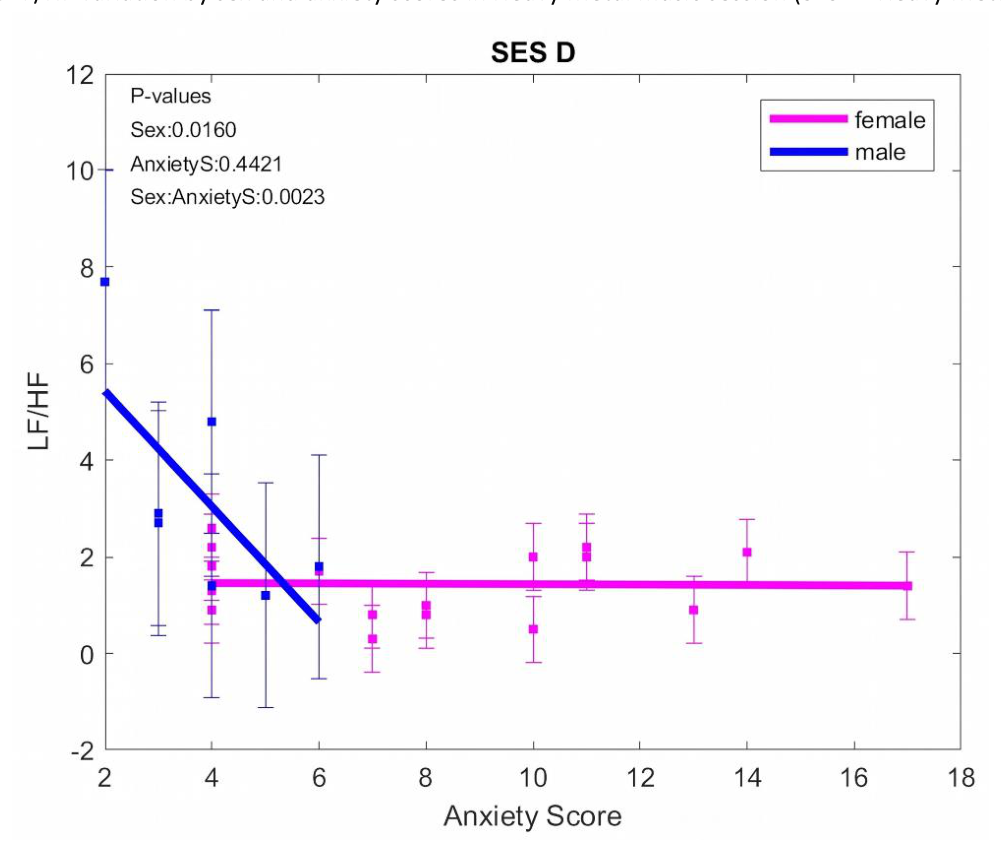
Heavy metal music elicited a pattern similar to Jazz in several respects. nLF and LF/HF were significantly higher in males (p=0.0317, respectively, p=0.0115). nHF remained higher in females (p=0.0317). LF/HF showed differences between sexes, and anxiety, decreasing in males with anxiety (p=0.0023) (Figure 1).
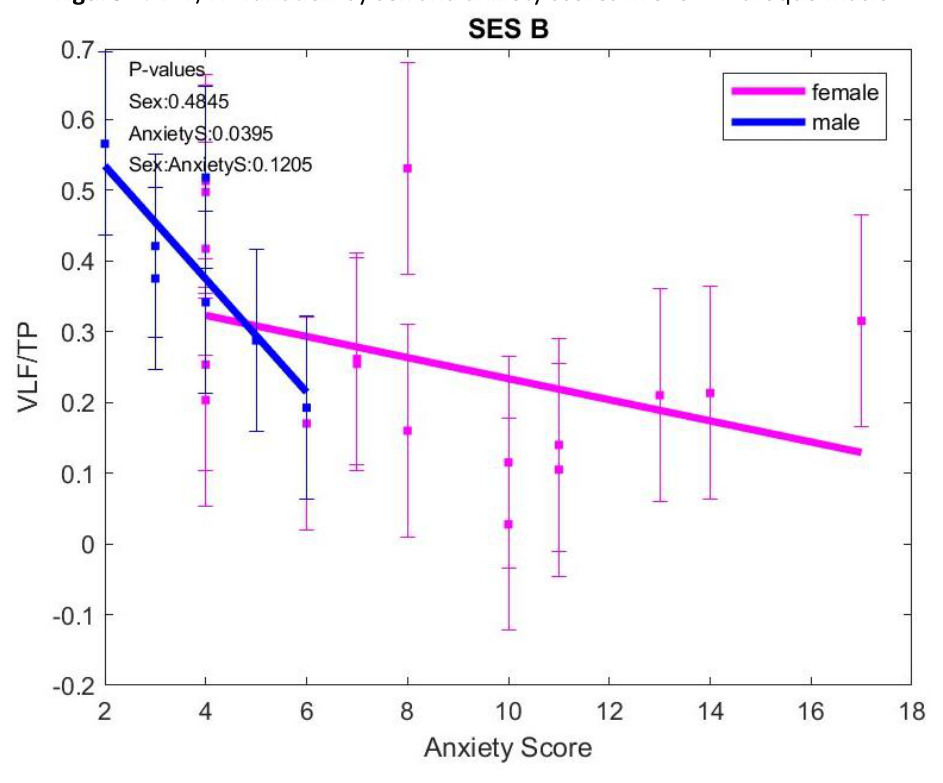
During Baroque music exposure, nLF and LF/HF ratio were significantly higher in males compared with females (p= 0.0002, respectively, p= 0.0000), while nHF showed reciprocal elevation in females (p= 0.0002). These statistically significant sex-related differences were maintained when stratifying by anxiety scores, with divergent patterns, without a relationship with anxiety score. With increasing anxiety, nLF and LF/HF decreased in females but increased in males (p=0.0019 and p=0.0000, respectively), indicating divergent autonomic patterns. rMSSD declined with age in both sexes (p= 0.0486), without significant sex differences (Figure 2).
Romantic music exposure was associated with increased nLF and LF/HF in males (p=0.0103 and p=0.0011, respectively) and higher nHF values in females (p=0.0103). These statistically significant sex-related differences were maintained when stratifying by anxiety scores, with divergent patterns, without a relationship with anxiety score. With increasing anxiety, nLF and LF/HF decreased in females but increased in males (p=0.0338 and p=0.0038, respectively), indicating divergent autonomic patterns. NCoh was higher in males (p=0.0303) and showed a tendency to decrease with age, though not statistically significant.
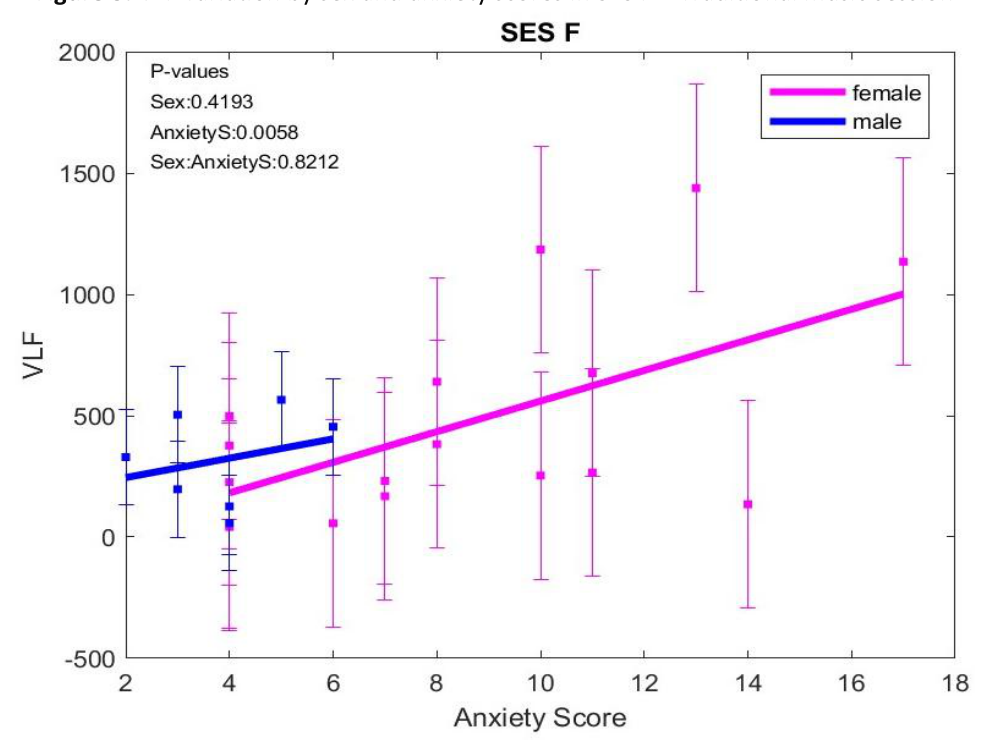
Traditional music was associated with an increase in VLF power with increasing anxiety scores in both sexes (p=0.0058). rMSSD values were higher in females (p=0.0313) (Figure 3).
During Ambient music, rMSSD was higher in females than in males, at rest (p=0.0206) and in anxiety (p=0.0254).
Comparative analysis between the basal (resting) condition and the various musical sessions revealed that the most consistent and pronounced modifications were observed in nLF, nHF, and the LF/HF ratio across the general study cohort, as well as in participants stratified by anxiety (A0–7) scores, as shown in Table 2.
Across the general cohort, all musical genres were associated with a significant increase in nLF compared with the basal condition, with a more marked elevation in male participants.
In participants without anxiety (A0–7), nLF remained significantly elevated compared with rest during Baroque, Metal, Romantic, and Ambient sessions, again predominantly in males.
Overall, nLF increases were substantially greater in females than in males on GL and A0-7.
nHF displayed a reciprocal pattern to nLF. In the general cohort, nHF values decreased during all musical sessions compared with basal, with a more pronounced reduction in males.
Among participants without anxiety, Baroque, Metal, Romantic, and Ambient music were associated with significant decreases in nHF relative to rest, again more evident in males. Traditional music did not differ from basal in either sex.
| Parameter | Baroque vs. Basal (F, M; p-value) | Jazz vs. Basal (F, M; p-value) | Metal vs. Basal (F, M; p-value) | Romantic vs. Basal (F, M; p-value) | Traditional vs. Basal (F, M; p-value) | Ambient vs. Basal (F, M; p-value) |
|---|---|---|---|---|---|---|
| For GL (24p) | ||||||
| nLF | + ++ 0.0002# 0.0002* |
+ ++ 0.0250# 0.0030* |
+ ++ 0.0119# 0.0006* |
+ ++ 0.0040# 0.0032* |
+ ++ 0.0523# 0.0012* |
+ ++ 0.0010# 0.0002* |
| nHF | – – – 0.0004# |
– – – 0.0337# |
– – – 0.0175# |
– – – 0.0060# |
– – – 0.0638# |
– – – 0.0018# |
| LF/HF | + ++ 0.0000# 0.0005* |
+ ++ 0.0044# 0.0091* |
+ ++ 0.0020# 0.0156* |
+ ++ 0.0003# 0.0130* |
+ + 0.0085* |
+ ++ 0.0010# 0.0020* |
| NCoh | + + 0.0518* |
– + 0.0575# |
||||
| For A0-7 (15p) | ||||||
| HF | – – 0.0070# 0.0070* |
– – 0.0003* |
– – 0.0056* |
|||
| nLF | + ++ 0.0028# 0.0010* |
+ ++ 0.0516# |
+ ++ 0.0365# 0.0583* |
+ ++ 0.0278# 0.0413* |
+ ++ 0.0043# 0.0227* |
|
| nHF | – – – 0.0028# 0.0010* |
– – – 0.0516# |
– – – 0.0365# 0.0583* |
– – – 0.0279# 0.0413* |
– – – 0.0043# 0.0227* |
|
| LF/HF | + ++ 0.0007# 0.0003* |
+ ++ 0.0258# 0.0323* |
+ ++ 0.0291# 0.0442* |
+ ++ 0.0118# 0.0183* |
+ + 0.0332* |
|
| NCoh | + + 0.0104* |
– + 0.0198# 0.0442* |
||||
*significant p-value for differences between sessions; # significant p-value for differences between sexes; + indicates a higher value, – indicates a lower value, ++indicates a greater increase, – – indicates a greater decrease; F-female participant, M-male participant; the basal session represented the reference; nLF= LF/HF+LF, nHF= HF/HF+LF, HF- high frequency, LF- low frequency, NCoh- normalized coherence. A0-7= participants without anxiety.
The LF/HF ratio demonstrated the most homogeneous and robust pattern across all analyzed groups. In the general population and in anxiety stratified subgroups, LF/HF increased significantly during all musical sessions compared with basal conditions, with greater increments in males.
An exception was observed in Ambient music among participants without anxiety, where the increase was less consistent. For Traditional music, differences in the general cohort and in participants without depression were detected primarily between sessions rather than between sexes.
These findings reinforce the interpretation that musical exposure, irrespective of genre, shifts autonomic balance toward relative sympathetic predominance, particularly in male participants.
Normalized coherence (NCoh) exhibited a more restricted and genre-specific modulation pattern. During Baroque exposure, NCoh increased compared with basal in the general cohort and in participants without anxiety, without sex differences. In contrast, Romantic music induced divergent responses: NCoh increased in males but decreased in females in both the general cohort and the A0–7 subgroup.
Additional parameters showed only minor or isolated changes. rMSSD decreased in the A0–7 subgroup during Jazz sessions.
When compared with the resting condition, musical exposure consistently modulated frequency-domain HRV parameters, with nLF and LF/HF increasing and nHF decreasing across most genres. These effects were amplified in males and were more consistent than changes observed in secondary parameters. Genre-specific variations were present but generally secondary to the overarching autonomic shift toward sympathetic predominance.
The normalized low-frequency component (nLF) increased during all musical sessions compared with baseline, particularly in males. This pattern was observed in the general cohort and in participants without anxiety.
Among subjects without anxiety, no significant differences were found between Traditional music and other sessions. During Jazz music listening, differences were observed only between sexes rather than between sessions and baseline.
For nHF, significant differences were primarily sex-related, with a more pronounced decrease in males across sessions.
The LF/HF ratio demonstrated the most consistent pattern across groups. Increases were observed in all musical sessions compared with baseline, again more pronounced in males. The only exception occurred during Ambient music listening in participants without anxiety.
NCoh demonstrated a more limited pattern of variation. It increased during Baroque music listening compared with rest, regardless of sex, in both the general cohort and participants without anxiety. NCoh increased in males but decreased in females during Metal music compared with baseline in participants without anxiety.
Taken together, these results may confirm that musical stimulation exerts measurable and reproducible effects on cardiac autonomic balance, with sex representing a principal determinant of magnitude and direction of response.
A comparative evaluation of HRV parameters across musical sessions demonstrated that inter-session variability was predominantly sex-dependent rather than magnitude-dependent. In other words, statistically significant differences between musical genres were largely attributable to divergent male–female autonomic responses, while absolute parameter amplitudes remained broadly comparable across sessions (Table 3)
| GL (24p) | rMSSD (F, M; p-value) | HF (F, M; p-value) | nLF (F, M; p-value) | nHF (F, M; p-value) | LF/HF (F, M; p-value) | NCoh (F, M; p-value) | VLF/TP (F, M; p-value) |
|---|---|---|---|---|---|---|---|
| Jazz vs. Baroque | + – 0.0504 |
0 – 0.0000 |
– + 0.0000 |
+ – 0.0000 |
– – – 0.0225 |
++ + 0.0363 |
|
| Metal vs. Baroque | + – 0.0000 |
– + 0.0000 |
+ – 0.0000 |
– – – 0.0323 |
|||
| Romantic vs. Baroque | 0 – 0.0000 |
+ ++ 0.0000 |
– + 0.0000 |
– – – 0.0120 |
|||
| Traditional vs. Baroque | + – 0.0155 |
++ + 0.0376 |
+ – 0.0001 |
– + 0.0001 |
+ – 0.0003 |
++ + 0.0548 |
|
| Ambient vs. Baroque | + – 0.0145 |
+ ++ 0.0417 |
+ – 0.0000 |
– + 0.0000 |
+ – 0.0000 |
||
| Metal vs. Jazz | + ++ 0.0102 |
0 + 0.0024 |
– – 0.0024 |
– + 0.0004 |
+ – 0.0097 |
||
| Romantic vs. Jazz | + ++ 0.0151 |
– + 0.0008 |
+ – 0.0008 |
– + 0.0001 |
– – – 0.0002 |
||
| Traditional vs. Jazz | + – 0.0027 |
+ – 0.0382 |
++ + 0.0117 |
– – – 0.0109 |
++ + 0.0410 |
||
| Ambient vs. Jazz | ++ + 0.0015 |
++ + 0.0365 |
0 + 0.0002 |
0 – 0.0002 |
+ ++ 0.0002 |
||
| Romantic vs. Metal | + ++ 0.0224 |
– + 0.0003 |
+ – 0.0003 |
– + 0.0000 |
– 0 0.0066 |
||
| Traditional vs. Metal | + – 0.0039 |
++ + 0.0324 |
+ – 0.0061 |
– + 0.0056 |
|||
| Ambient vs. Metal | + – 0.0025 |
– + 0.0455 |
0 + 0.0001 |
0 – 0.0001 |
+ ++ 0.0001 |
||
| Traditional vs. Romantic | + – 0.0054 |
+ – 0.0518 |
+ – 0.0020 |
– + 0.0019 |
+ – 0.0013 |
+ – 0.0562 |
|
| Ambient vs. Romantic | + – 0.0038 |
– – – 0.0065 |
+ ++ 0.0000 |
– – 0.0000 |
+ – 0.0000 |
+ – 0.0430 |
|
| Ambient vs. Traditional | – + 0.0007 |
– + 0.0029 |
– + 0.0006 |
+ – 0.0005 |
– + 0.0046 |
GL- general study cohort; significant p-value for differences between sexes; + indicates a higher value, – indicates a lower value, ++indicates a greater increase, – – indicates a greater decrease; 0- no change; F- female subject, M- male subject; rMSSD- root mean square of the mean squared differences of successive NN intervals, HF- high frequency, nLF= LF/HF+LF, nHF= HF/HF+LF, NCoh- normalized coherence VLF- very low frequency, TP- total power; statistical significance P<0.05
In the general population, frequency-domain indices (nLF, nHF, LF/HF) and selected time-domain parameters (rMSSD) exhibited the most consistent inter-session contrasts.
For nLF, differences between musical genres reflected inverse modulation patterns in females and males. Comparisons such as Jazz vs. Baroque and Romantic vs. Baroque showed either stability or increases in females, accompanied by decreases in males. Conversely, transitions involving Traditional or Ambient music frequently induced increases in females and reductions in males, reinforcing the presence of sex-opposed autonomic adjustments rather than genre-specific amplitude effects. nHF demonstrated a reciprocal pattern relative to nLF. In multiple comparisons (e.g., Jazz vs. Baroque, Metal vs. Baroque), females tended to show increases while males exhibited decreases, or vice versa, indicating alternating parasympathetic predominance depending on sex.
The LF/HF ratio showed coherent shifts mirroring nLF dynamics. Across numerous pairwise comparisons, males demonstrated larger increases or smaller decreases than females, emphasizing a stronger sympathetic reactivity to changes in musical structure. Notably, comparisons involving Ambient or Traditional music frequently accentuated these divergences.
rMSSD exhibited variable but interpretable trends. In comparisons such as Metal vs. Jazz or Romantic vs. Metal, both sexes showed increases, although the magnitude was often greater in males. These findings suggest that transitions toward more stimulating genres were accompanied by augmented short-term vagal modulation.
NCoh displayed selective modifications, particularly in comparisons involving Baroque and Romantic sessions. In several instances, females demonstrated greater decreases, whereas males exhibited relative stability or increases, suggesting sex-differentiated central–autonomic coupling mechanisms.
The comparative evolution of HRV parameters that showed significant differences between musical sessions, and the relationship between music genre and the sympathetic and parasympathetic balance in males and females, are presented in Table 5.
| Compared sessions | nLF | RMSSD | HF | nHF | LF/HF | NCoh | ||||||
|---|---|---|---|---|---|---|---|---|---|---|---|---|
| F | M | F | M | F | M | F | M | F | M | F | M | |
| Jazz vs. Baroque | ↔ | ↓ | ↑ | ↓ | ↓ | ↑ | ↑ | ↓ | ↓↓ | ↓ | ||
| Metal vs. Baroque | ↑ | ↓ | ↓ | ↑ | ↑ | ↓ | ↓↓ | ↓ | ||||
| Romantic vs. Baroque | ↔ | ↓ | ↑ | ↑↑ | ↓ | ↑ | ↓↓ | ↓ | ||||
| Traditional vs. Baroque | ↑ | ↓ | ↑ | ↓ | ↑↑ | ↑ | ↓ | ↑ | ↑ | ↓ | ||
| Ambient vs. Baroque | ↑ | ↓ | ↑ | ↓ | ↑ | ↑↑ | ↓ | ↑ | ↑ | ↓ | ||
| Metal vs. Jazz | ↔ | ↑ | ↑ | ↑↑ | ↓ | ↓↓ | ↓ | ↑ | ↑ | ↓ | ||
| Romantic vs. Jazz | ↓ | ↑ | ↑ | ↑↑ | ↑ | ↓ | ↓ | ↑ | ↓ | ↑ | ||
| Traditional vs. Jazz | ↑↑ | ↑ | ↑ | ↓ | ↑ | ↓ | ↓↓ | ↓ | ↑↑ | ↑ | ||
| Ambient vs. Jazz | ↔ | ↑ | ↑↑ | ↑ | ↑↑ | ↑ | ↔ | ↓ | ↑ | ↑↑ | ||
| Romantic vs. Metal | ↓ | ↑ | ↑ | ↑↑ | ↑ | ↓ | ↓ | ↑ | ↓ | ↔ | ||
| Traditional vs. Metal | ↑ | ↓ | ↑ | ↓ | ↑↑ | ↑ | ↓ | ↑ | ||||
| Ambient vs. Metal | ↔ | ↑ | ↑ | ↓ | ↓ | ↑ | ↔ | ↓ | ↑ | ↑↑ | ||
| Traditional vs. Romantic | ↑ | ↓ | ↑ | ↓ | ↑ | ↓ | ↓ | ↑ | ↑ | ↓ | ↑ | ↓ |
| Ambient vs. Romantic | ↑ | ↑↑ | ↑ | ↓ | ↓ | ↓↓ | ↓ | ↓↓ | ↑ | ↓ | ↑ | ↓ |
| Ambient vs. Traditional | ↓ | ↑ | ↓ | ↑ | ↓ | ↑ | ↑ | ↓ | ↓ | ↑ | ||
F- female subject, M- male subject; HF- high frequency, ↓- decrease; ↑- increase; ↔- unchanged values, ↑↑-indicates a greater increase, ↓↓-indicates a greater decrease; rMSSD- root mean square of the mean squared differences of successive NN intervals, HF- high frequency, LF- low frequency, NCoh- normalized coherence
In participants without anxiety, inter-session comparisons revealed predominantly sex-related differences without consistent session-specific amplitude effects.
VLF/TP was lower in females during Traditional compared with Jazz, Romantic, and Metal sessions, without significant male variation. Conversely, Metal vs. Jazz comparisons showed higher VLF/TP in females.
rMSSD increased during Metal, Romantic, and Ambient sessions compared with Jazz, suggesting that less rhythmically complex or more immersive genres may enhance parasympathetic modulation in anxiety-free individuals. However, these effects remained sex-modulated.
The integrated comparative analysis confirms that transitions between musical genres do not produce large, uniform shifts in HRV magnitude. Instead, they generate sex-specific directional adjustments in autonomic balance.
Across the general and anxiety-free groups, the dominant pattern was characterized by:
Collectively, these findings indicate that the autonomic response to different musical genres is governed primarily by sex-related regulatory mechanisms rather than by intrinsic genre intensity alone. The stability of overall HRV magnitude, coupled with directional sex-specific shifts, supports the concept that musical processing engages adaptive autonomic tuning rather than indiscriminate sympathetic activation.
In the anxiety subgroup (A8–21), autonomic modulation was primarily characterized by redistribution within the total spectral power rather than marked global HRV shifts.
Among females with anxiety, VLF/TP increased during Jazz, Romantic, and Traditional sessions compared with basal, demonstrating a pattern opposite to that observed in females without anxiety.
Direct comparisons between females with and without anxiety revealed minimal differences across musical genres. The only significant divergence emerged during the Traditional session, where VLF values were higher in anxious females, while lower values were recorded in non-anxious participants.
Overall, in participants with clinically relevant anxiety symptoms, musical exposure predominantly induced shifts in spectral distribution (VLF/TP) and selective modulation of vagal indices (rMSSD, HF), rather than uniform changes in global autonomic balance. These findings support the hypothesis that psychological burden modifies the qualitative pattern of autonomic adaptation to musical stimuli.
Among the HRV parameters analyzed, HF, rMSSD, nLF, nHF, LF/HF, and normalized coherence (NCoh) showed the most notable variations across sessions and between sexes.
HF values decreased during comparisons such as Ambient vs. Romantic music in both sexes, while increases were observed in comparisons including Traditional and Ambient vs. Baroque, Ambient vs. Jazz, and Traditional vs. Metal. Some comparisons showed opposite trends between sexes.
rMSSD showed substantial variability. Increases were observed in both sexes during Metal, Romantic, and Ambient sessions compared with Jazz. Conversely, decreases were observed in females and increases in males during Ambient vs. Traditional sessions. Additional opposite patterns between sexes were also observed across several session comparisons.
nLF values increased in both sexes during comparisons such as Traditional vs. Jazz and Ambient vs. Romantic. However, divergent sex-related patterns were evident in several other comparisons, emphasizing the influence of gender on autonomic responses.
The nHF parameter demonstrated a largely mirrored pattern compared with nLF. Decreases were observed in both sexes in comparisons such as Metal and Traditional vs. Jazz and Ambient vs. Romantic, whereas increases were noted in Romantic vs. Baroque sessions.
The LF/HF ratio exhibited consistent increases across several comparisons, particularly during Traditional and Ambient sessions relative to Jazz and Ambient vs. Metal. Nevertheless, opposite patterns between males and females were frequently observed.
NCoh values were generally lower during Jazz, Metal, and Romantic sessions compared with Baroque sessions. Some sex-specific patterns were also identified, including decreases in females and increases in males during Romantic vs. Jazz comparisons.
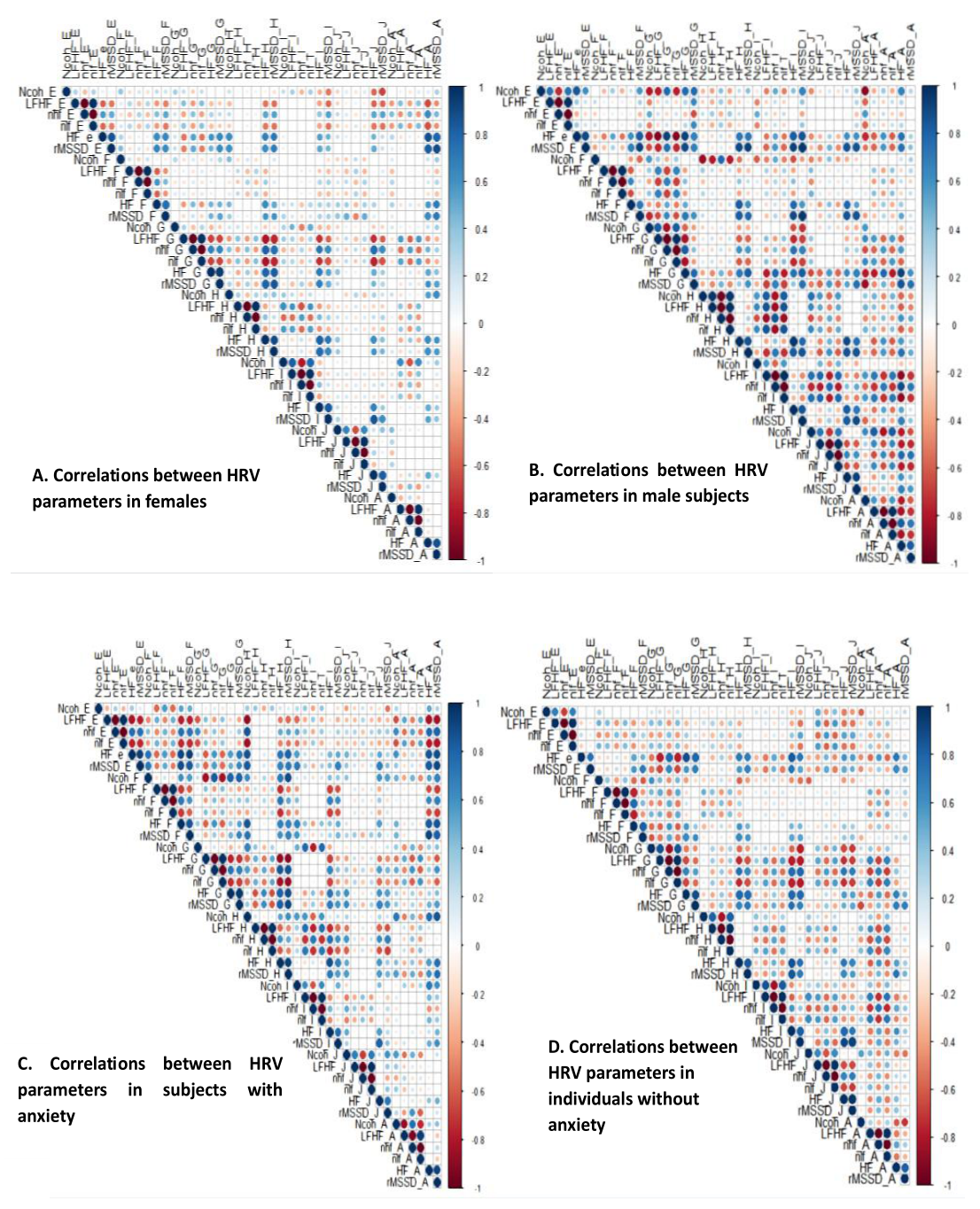
Across all sessions, LF/HF was strongly and directly correlated with nLF and inversely correlated with nHF (p < 0.001), confirming the expected relationship between normalized spectral components and sympathovagal balance. Similarly, HF and rMSSD showed strong positive correlations in all groups and sessions, except during Jazz music exposure in males.
NCoh demonstrated a more variable pattern, with correlations differing according to sex and anxiety status. In contrast to the stable relationships observed among conventional HRV indices, coherence-related associations appeared to be influenced by both musical genre and participant characteristics.
Overall, the principal autonomic response to music was reflected by consistent changes in nLF, nHF, and LF/HF, whereas coherence-related measures showed more selective and context-dependent modulation (Figure 4).
For Baroque music, nLF and LF/HF values were generally higher in males, whereas females demonstrated reciprocal trends, independent of anxiety scores. The parameters nLF, nHF, and LF/HF showed variable relationships with age and psychological scores. (Table 5)
During Metal music exposure, nLF increased with age in females and remained relatively stable in males, although absolute values were higher in males. In contrast to Baroque music, the evolution of nLF and LF/HF with anxiety or depression in males showed an opposite trend.
In the Jazz session, LF/HF showed minimal variation with age in males but tended to increase with age in females. Additionally, LF/HF demonstrated a quasi-linear relationship with anxiety scores in females, whereas in males it showed an inverse relationship with these scores.
In the Romantic music session, nLF displayed divergent age-related patterns between sexes without reaching statistical significance, although values remained higher in males. nLF increased in males and decreased in females with increasing anxiety scores.
During Ambient music listening, nLF increased with age in both sexes, again with higher values in males.
The VLF component (or VLF/TP ratio) demonstrated distinct patterns depending on musical style:
The rMSSD parameter decreased with age during Baroque music listening in both sexes. Sex-related differences were observed only during Traditional and Ambient music sessions, where rMSSD values were higher in females. During Ambient music listening, rMSSD followed the same age-related decreasing trend but remained higher in females.
During the Jazz session, NCoh decreased with age in females but increased with age in males. NCoh also decreased with increasing anxiety scores in both sexes. During the Romantic session, NCoh decreased with age in both sexes, although values remained higher in males, and decreased with anxiety scores in females.
| Evolution by sex | Comparison between sessions |
|---|---|
| Evolution of HF by sex | |
| ↓ in both sexes | Ambient vs. Romantic |
| ↑ in both sexes | Traditional and Ambient vs. Baroque; Ambient vs. Jazz; Traditional vs. Metal |
| ↓ in females and ↑ males | Ambient vs. Metal and Traditional |
| ↑ in females and ↓ males | Traditional vs. Jazz and Romantic |
| Evolution of rMSSD by sex | |
| ↑ for both sexes | Metal, Romantic, and Ambient vs. Jazz; Romantic vs. Metal |
| ↓ in females and ↑ males | Ambient vs. Traditional |
| ↑ in females and ↓ males | Jazz, Traditional, Ambient vs. Baroque; Traditional vs. Jazz, Metal, and Romantic; Ambient vs. Metal and Romantic |
| Evolution of nLF by sex | |
| ↑ in both sexes | Traditional vs. Jazz; Ambient vs. Romantic |
| ↓ in females and ↑ males | Romantic vs. Jazz and Metal; Ambient vs. Traditional |
| ↑ in females and ↓ males | Metal, Traditional, Ambient vs. Baroque; Traditional vs. Metal and Romantic |
| ↔ | In females: Jazz vs Baroque; Romantic vs. Baroque; Metal vs. Jazz; Ambient vs. Metal and Jazz |
| Evolution of nHF by sex | |
| ↓ in both sexes | Metal and Traditional vs. Jazz; Ambient vs. Romantic |
| ↑ in both sexes | Romantic vs. Baroque |
| ↓ in females and ↑ males | Jazz, Metal, Traditional, and Ambient vs. Baroque; Traditional vs. Metal and Romantic |
| ↑ in females and ↓ males | Romantic vs. Jazz and Metal; Ambient vs. Traditional |
| ↔ | In females: Ambient vs. Jazz and Metal |
| Evolution of LF/HF by sex | |
| ↑ in both sexes | Traditional and Ambient vs. Jazz; Ambient vs. Metal |
| ↓ in females and ↑ males | Romantic vs. Baroque and Jazz; Metal vs. Jazz; Ambient vs. Traditional |
| ↑ in females and ↓ males | Jazz, Metal, Traditional, and Ambient vs. Baroque; Ambient vs. Romantic |
| Evolution of NCoh by sex | |
| ↓ in both sexes | Jazz, Metal, and Romantic vs. Baroque |
| ↓ in females and ↑ males | Romantic vs. Jazz |
| ↑ in females and ↓ males | Metal vs. Jazz; Traditional and Ambient vs. Romantic |
| ↔ | In males: Romantic vs. Metal |
F- female subject, M- male subject; HF- high frequency, ↓- decrease; ↑- increase; ↔- unchanged values; rMSSD- root mean square of the mean squared differences of successive NN intervals, HF- high frequency, LF- low frequency, NCoh- normalized coherence.
Our study found no significant changes in heart rate (HR) when comparing musical exposure with the resting condition or when comparing different musical sessions with each other. Some studies have reported that music with positive emotional valence is associated with higher HR values (28,29).
Our findings suggest that different musical styles influence time-domain and spectral heart rate variability (HRV) parameters in distinct ways. Significant variations were observed in several HRV parameters between rest and musical listening sessions, primarily expressed as differences between sessions rather than absolute value changes. Importantly, most variations were sex-related rather than magnitude-related, indicating that gender plays a significant role in autonomic responses to music.
A PubMed-based review of 26 studies conducted between 1980 and 2020 examining musical interventions in healthy and diseased populations reported heterogeneous results. Some authors concluded that the highest HRV values occur during mantra singing, whereas others observed no significant difference between mantra singing and conventional music listening with respect to HRV parameters (19,30).
Research evaluating the effects of musical style and rhythm on HRV has produced inconsistent results (10). Slow-tempo music, such as classical or meditative compositions, has been associated with reduced HR and increased relaxation, although contradictory findings have also been reported. For example, one study involving 11 healthy males exposed to 20 minutes of heavy metal music (Gamma Ray) and 20 minutes of baroque music (Pachelbel) compared the effects of these genres on HRV parameters, including LF, HF, nLF, nHF, LF/HF, rMSSD, pNN50, and SDNN (31). No significant differences between the two musical sessions were identified.
Among time-domain HRV parameters, rMSSD showed the most extensive variation. In participants without anxiety, rMSSD (and HF) decreased only during Jazz sessions compared with other musical styles, without sex differences. This observation aligns with findings from other authors suggesting that baroque music does not significantly affect parasympathetic time-domain parameters such as rMSSD and pNN50 (13).
No significant variation in SDNN was observed across musical sessions compared with rest. However, some authors have reported lower SDNN values during stimulating music and higher values during calming music (13,15,20,32).
rMSSD increased in both sexes during Metal, Romantic, and Ambient music compared with Jazz, and was higher during Romantic than Metal sessions. TP, LF, and VLF did not show significant changes across sessions.
HF decreased during Ambient music compared with Romantic music. HF was also reduced during Baroque, Jazz, and Metal sessions in individuals without anxiety. HF values were higher during Romantic sessions than Ambient sessions, and higher during Metal, Traditional, and Baroque sessions than in other genres.
Sex differences were also observed. HF values were lower in females during Jazz, Romantic, Ambient, and Traditional sessions compared with other genres, but higher during Metal and Traditional sessions compared with Jazz.
Consistent with previous studies, our results support the observation that both LF and HF components are lower during music listening than during silence and are further reduced during stimulating music compared with relaxing music. Other authors reported that relaxant music reduces the LF/HF ratio and LF index and increases the HF index in both sexes (13). The HF component was higher in silence and while listening to relaxing music (13).
Previous studies reported that heavy metal music decreases SDNN, LF, nLF, HF, and nHF, whereas Baroque music reduces LF power and the LF/HF ratio (28).
Another study involving 21 healthy female students comparing heavy metal music (Gamma Ray) with Romantic music (Schumann or Chopin) concluded that neither musical fragment significantly altered HR, although heavy metal exposure showed a trend toward decreased vagal modulation (31,33).
In another investigation comparing musical works by Mozart and Strauss with ABBA compositions, only Mozart and Strauss significantly reduced blood pressure and HR. Mozart’s music has been widely recommended as relaxation-inducing (34).
Heavy metal music has been associated with greater decreases in SDNN compared with Baroque music (35). The same authors reported that Baroque music primarily reduces LF activity, reflecting decreased sympathetic modulation, whereas heavy metal music reduces both LF and HF amplitudes, indicating reductions in both sympathetic and parasympathetic tone (14,31,33,34).
Other authors have suggested that relaxing music reduces the LF/HF ratio and LF index while increasing HF index in both sexes (14). HF values were higher during silence and while listening to relaxing music (14).
This study has several limitations. The groups with and without depression were unequal in size, and the anxiety and depression groups consisted exclusively of female participants. Additionally, inclusion criteria were based on academic and professional homogeneity rather than anxiety or depression scores.
A major strength of the study is the inclusion of a wide range of musical styles and rhythms. We compared HRV parameters during musical exposure and resting conditions and examined variations across musical genres while accounting for sex and anxiety.
One of the most consistent findings of the present study was the presence of sex-related differences in autonomic responses across musical genres. Although all musical stimuli induced modifications in frequency-domain HRV parameters, the direction and magnitude of these changes differed substantially between females and males, suggesting that biological sex may be a stronger determinant of autonomic responsiveness than musical genre itself.
During Baroque music exposure, females exhibited higher nHF values, whereas males showed higher nLF and LF/HF ratios. Because nHF is generally considered a marker of parasympathetic modulation, while higher nLF and LF/HF values indicate relative sympathetic predominance, these findings suggest a greater vagal contribution in females and a stronger sympathetic response in males during exposure to Baroque music. Furthermore, the decrease in VLF/TP with increasing anxiety scores may indicate reduced sympathetic activation among individuals with higher anxiety levels while listening to Baroque music, although this interpretation should be approached cautiously given the ongoing debate regarding the physiological significance of the VLF component.
A similar sex-specific pattern was observed during Romantic music exposure. Females demonstrated higher nHF values, whereas males exhibited higher nLF, LF/HF, and NCoh values. These results suggest that Romantic music may preferentially enhance parasympathetic modulation in females, while promoting greater sympathetic predominance and cardiorespiratory coherence in males. Interestingly, increasing anxiety scores were associated with reductions in nLF and LF/HF among females, potentially indicating attenuation of sympathetic predominance during exposure to Romantic music in anxious women.
Heavy Metal music also produced marked sex-dependent autonomic responses. Higher nLF and LF/HF values in males together with higher nHF values in females suggest that males experienced greater sympathetic predominance during listening. However, among males, LF/HF decreased with increasing anxiety scores, which may indicate a reduced sympathetic response to Heavy Metal music in participants with higher anxiety levels. This observation is intriguing because highly stimulating music is generally expected to increase sympathetic activation, suggesting that familiarity, emotional appraisal, or adaptive autonomic regulation may modulate the physiological response.
Traditional Romanian music displayed a distinct autonomic profile. The positive association between VLF power and anxiety scores in both sexes suggests that anxiety may amplify autonomic arousal during exposure to this genre. Although VLF cannot be considered an exclusive marker of sympathetic activity, the observed pattern is compatible with enhanced sympathetic involvement among more anxious participants. In contrast, females maintained higher rMSSD values, indicating preserved vagal modulation despite this apparent increase in autonomic arousal.
Ambient music elicited one of the clearest sex-specific parasympathetic responses. Females demonstrated significantly higher rMSSD values both at baseline and across anxiety levels, suggesting enhanced vagal activity during exposure to this genre. These findings support previous observations that slow, repetitive, and relaxing auditory stimuli may facilitate parasympathetic regulation and emotional relaxation. The persistence of this effect irrespective of anxiety status suggests that Ambient music may exert a relatively robust autonomic calming influence in females.
Taken together, these findings indicate that autonomic responses to music are not uniform across individuals. Rather than musical genre alone determining the physiological outcome, sex appears to substantially influence the balance between sympathetic and parasympathetic activation. The recurrent observation of higher nHF and rMSSD values in females, together with higher nLF and LF/HF values in males, suggests that women may exhibit a relatively greater parasympathetic response to several musical genres, whereas men tend to display stronger sympathetic predominance. These differences may reflect sex-related variations in autonomic regulation, emotional processing, and neurovisceral integration and should be considered in future investigations of music-induced autonomic modulation.
Exposure to musical passages did not produce measurable changes in heart rate but was associated with multiple variations in HRV parameters.
Comparisons between musical listening and rest revealed sporadic variations in time-domain parameters and absolute spectral values. The most prominent variations involved nLF, nHF, and LF/HF, reflecting both session-dependent effects and sex-related differences.
When comparing different musical genres directly, variations were more strongly associated with sex differences than with musical style alone. Significant changes were also observed in rMSSD and parameters related to the VLF band.
The VLF band, which is less frequently discussed in the literature, appeared particularly relevant in subjects with anxiety and may represent a marker of sympathetic activity.
A strong concordance was observed between parasympathetic indices (rMSSD and HF) across all sessions except Jazz in males. Similarly, LF/HF was strongly correlated with nLF and inversely correlated with nHF across all sessions.
Although all musical genres modulated autonomic function, the observed responses were predominantly sex-dependent. Females generally demonstrated greater parasympathetic modulation during Baroque, Romantic, and Ambient music, whereas males exhibited higher sympathetic predominance across several genres. Anxiety further modified these responses in a genre-specific manner.
The authors declare no conflict of interest. This research received no external funding.
No generative AI was used in the production of this manuscript.
I.S-F. – conceptualization, study design, and writing, prepared the tables, data interpretation, I.T.- data collection, data interpretation, writing and reviewing, I.M. and C.P.-statistical analysis and figures, data interpretation, S.B.- writing and reviewing, and prepared the tables, data interpretation. All authors reviewed the manuscript.
The data supporting this study’s findings are available upon reasonable request. Contact person: Ioana Toader at e-mail: i.toader12@yahoo.com
The study was conducted between May 28, 2024, and October 1, 2024, with approval by the Ethics Committee of Colţea Clinical Hospital (approval No. 6006/10.04.2024) and conducted in accordance with the Declaration of Helsinki.
Informed consent was obtained from all subjects involved in the study.