Military mass-casualty (MASCAL) incidents impose severe constraints on analgesia delivery due to rapid triage, limited monitoring capacity, and heterogeneous provider qualifications. This review aimed to map current evidence on battlefield analgesics and identify options suitable for high-throughput MASCAL conditions. A scoping review was conducted following PRISMA-ScR methodology, including a systematic PubMed/MEDLINE search (2017-2023), dual-review screening, predefined eligibility criteria, and structured data extraction. Sixty-six articles met the inclusion criteria. Evidence indicates that transmucosal opioids – oral transmucosal fentanyl citrate (OTFC) and the sufentanil sublingual tablet (SST) – provide rapid, effective analgesia but require continuous observation, airway-rescue competence, and governance controls, which may limit their safe use in large-scale MASCAL operations. Ketamine demonstrates the most favorable operational profile, combining reliable analgesia with preserved airway reflexes, cardiovascular stability, flexible dosing routes, and minimal monitoring requirements. Cannabinoid preparations and α2- agonists lack sufficient evidence for acute trauma analgesia and present pharmacologic or safety limitations that preclude routine prehospital use. Based on these findings, we propose a triage-linked analgesia framework that aligns agent selection with provider level, monitoring capacity, and evacuation timelines. Overall, ketamine emerges as the primary analgesic option for MASCAL incidents, whereas transmucosal opioids should be reserved for trained personnel operating under protocolized oversight.
Semovski G, Nedzhib A, Dimov D Analgesia in military mass-casulaty (MASCAL) incidents: Evidence synthesis and an operational triage-linked framework R. J. Mil. Med. 2026, CXXIX(3): 320-334 https://doi.org/10.55453/rjmm.2026.129.3.10
Article content:
Introduction
Effective pain management is a critical component of combat casualty care, directly influencing survival, functional outcomes, and evacuation readiness. Pain is widely recognized as the fifth vital sign, and its timely, context-appropriate treatment becomes particularly challenging during military mass-casualty (MASCAL) incidents, where casualty volume exceeds medical capacity and constraints on personnel, monitoring, and time limit clinical decision-making [1]. For the purposes of this review, “prehospital” care includes all interventions from the point of injury to initial evacuation, and “analgesia” refers to pharmacologic strategies targeting acute pain and its physiologic consequences.
The development of Tactical Combat Casualty Care (TCCC) since 1996 has transformed battlefield medicine and substantially reduced preventable mortality during operations in Iraq and Afghanistan [2,3]. Current TCCC guidelines endorse a tiered analgesia strategy based on pain severity and provider qualification, including non-steroidal anti-inflammatory drugs (NSAIDs), ketamine, and oral transmucosal fentanyl citrate (OTFC). OTFC (800 µg) offers rapid, non-invasive analgesia without the need for intravenous access – an advantage of particular significance during MASCAL events characterized by accelerated triage and limited equipment availability [4,5].
However, OTFC – like all opioids – has a narrow therapeutic index and may cause respiratory depression, requiring airway-rescue capability and continuous observation. These risks are magnified in MASCAL conditions, where high casualty throughput and variable provider experience increase the likelihood of dosing or monitoring errors [6,7]. Concurrently, the broader global opioid crisis underscores the need for responsible opioid stewardship in operational environments [8-10], stimulating renewed interest in optimizing existing analgesics and evaluating potential adjuncts that could reduce opioid burden without compromising efficacy.
Military medicine, therefore, requires analgesic agents that are potent, fast-acting, logistically lightweight, and safe for use across multiple provider levels [3,11]. Because MASCAL scenarios differ fundamentally from routine battlefield care – particularly regarding triage prioritization, monitoring capability, and evacuation timelines – there is a need for an operationally grounded framework guiding analgesic selection during large-scale casualty surges. This review synthesizes current evidence on established and emerging analgesic modalities, evaluates their suitability for MASCAL environments, and proposes a triage-linked analgesia algorithm to support clinical decision-making during military mass-casualty incidents.
Methods
This study was conducted as a scoping review in accordance with the Preferred Reporting Items for Systematic Reviews and Meta-Analyses extension for Scoping Reviews (PRISMA-ScR) [12]. The objective was to map contemporary evidence on pharmacologic analgesia relevant to military prehospital care, with specific emphasis on mass-casualty (MASCAL) conditions where resource constraints, rapid triage, and variable provider qualifications affect therapeutic choices.
1. Conceptual framework and operational focus
Consistent with the definitions outlined in the Introduction, the review targeted studies applicable to:
MASCAL environments, defined as incidents in which casualty volume exceeds available medical capacity [13].
Prehospital military care, spanning the point of injury through the initial evacuation phases [3,14].
Analgesia, referring to pharmacologic interventions for acute trauma pain with operational relevance [15].
The operational intent of the review was to support the development of a structured, triage-linked analgesia framework suitable for battlefield and MASCAL conditions [16,17].
2. Information sources
A structured literature search was performed in PubMed/MEDLINE, selected for its comprehensive indexing of military medicine, trauma, anesthesiology, emergency care, and pharmacology [18,19]. The search period spanned 1 January 2017 to 1 June 2023, reflecting recent developments in opioid stewardship, adjunct analgesia, and battlefield protocols [20,21].
Reference lists of eligible studies and pertinent reviews were also screened to identify additional sources [22].
3. Search strategy
The search combined Medical Subject Headings (MeSH) and free-text terms. Boolean operators were applied to optimize sensitivity [23]. The core strategy was:
(“analgesia”[MeSH] OR “acute pain” OR “pain management”) AND (“combat” OR “military” OR “battlefield” OR “prehospital”) AND (“mass casualty” OR “MASCAL” OR “triage”) AND (“opioids” OR “fentanyl” OR “sufentanil” OR “OTFC” OR “ketamine” OR “cannabinoids” OR “alpha-2 agonists”).
The full list of search strings is provided in Appendix 1 (PRISMA-ScR Search Strategy) [24].
4. Eligibility criteria
Inclusion criteria:
Studies examining acute pain management relevant to prehospital or battlefield settings [25];
Evaluation of pharmacologic analgesics (opioids, ketamine, cannabinoid-based agents, α2-adrenergic agonists, or opioid-sparing strategies) [26];
Findings with operational implications for military use or MASCAL environments [27];
English-language publications, 2017-2023;
Clinical, experimental, observational, or review methodologies applicable to austere decision-making contexts [28].
Exclusion criteria:
Chronic pain studies;
Non-trauma or elective surgery contexts;
Articles lacking prehospital or operational relevance;
Narrative commentaries without substantive data;
Non-English publications.
5. Selection of sources of evidence
Two reviewers independently screened titles and abstracts, followed by full-text review of potentially eligible studies [29]. Discrepancies were resolved through consensus. This dual-review approach ensured methodological rigor consistent with PRISMA-ScR recommendations [12].
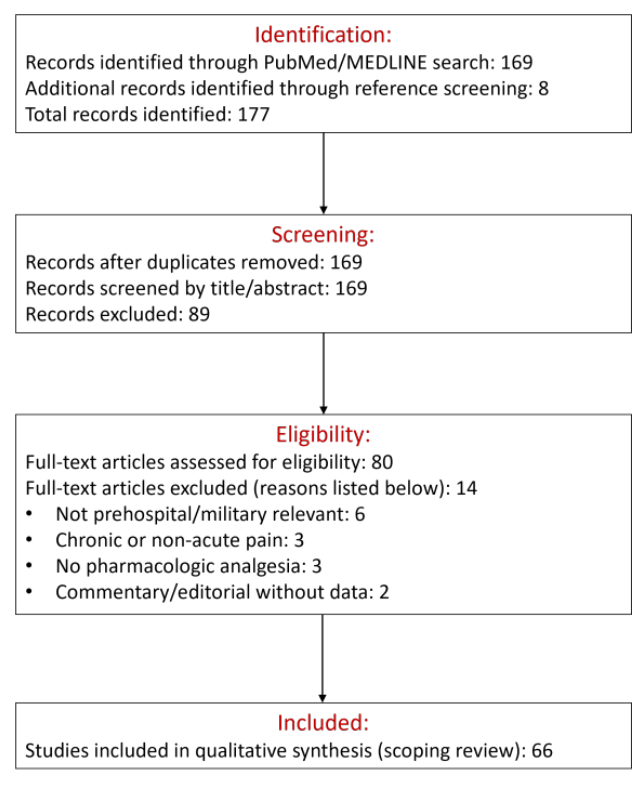
The search yielded 169 records; after screening and full-text assessment, 66 studies met the inclusion criteria. The selection process is depicted in Figure 1 [30].
Figure 1: PRISMA-ScR flow diagram for study selection.
6. Data charting process
A standardized data-charting template was developed a priori [31]. Extracted variables included:
Study characteristics and design;
Population and operational context;
Analgesic agent, dose, route, onset, and duration;
Monitoring requirements;
Adverse effects and operational risks;
Applicability to MASCAL triage and resource limitations;
Key findings and recommendations.
Two reviewers independently extracted data to ensure accuracy and completeness [32].
7. Synthesis of results
Due to heterogeneity across study designs and outcome measures, results were synthesized narratively [33]. Evidence was categorized into:
Opioid analgesics in battlefield and MASCAL settings;
Dissociative analgesia and ketamine-based regimens;
Opioid-sparing and adjunctive agents, including cannabinoids and α2-adrenergic agonists;
Governance and monitoring requirements across provider levels;
Operational implications for triage-linked decision-making in MASCAL environments.
These findings informed the development of:
Table 1: Analgesic options and operational characteristics;
A total of 66 studies met the inclusion criteria and were analyzed. Evidence was organized into four domains relevant to analgesia in prehospital battlefield and mass-casualty (MASCAL) environments: (1) opioid analgesics, (2) dissociative analgesia with ketamine, (3) opioid-sparing adjuncts including cannabinoids and α₂-adrenergic agonists, and (4) operational considerations related to provider capabilities, monitoring, and governance.
1. Opioid analgesics in battlefield and MASCAL Settings
1.1. Oral Transmucosal Fentanyl Citrate (OTFC)
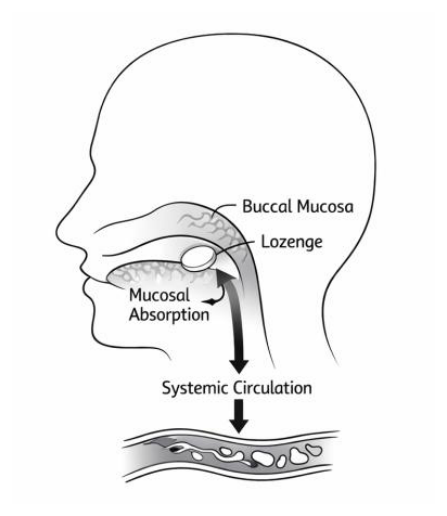
OTFC 800 µg consistently demonstrated rapid analgesic onset (5-10 min) and operational advantages due to non-invasive buccal administration (Figure 2) [35,36]. Studies highlighted its suitability in settings where intravenous access is impractical, aligning with TCCC analgesia guidance [4,5,37]. Preliminary experience in civilian mass-casualty responses also supported its usefulness in resource-limited environments [38].
However, multiple studies emphasized OTFC’s narrow therapeutic index and potential for respiratory depression, particularly in settings lacking sustained monitoring [6,39]. Case series and guideline analyses underscored the need for airway-rescue capability and close observation, with concerns about dosing control during high-throughput MASCAL conditions [7,40]. Data from Operation HERRICK further illustrated the practical challenges of opioid administration in austere combat environments [41].
Figure 2: Conceptual illustration of buccal (oral transmucosal) opioid administration. Schematic representation of a solid transmucosal dosage form positioned against the buccal mucosa. The active compound is absorbed directly through the oral mucosal vasculature into the systemic circulation, providing rapid analgesic onset without the need for intravenous access. The illustration is author-generated and intended for explanatory purposes only.
1.2. Sufentanil Sublingual Tablet (SST)
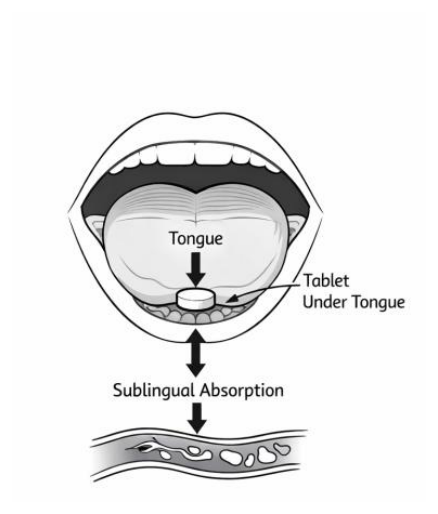
SST 30 µg demonstrated rapid absorption (Figure 3), favorable pharmacokinetics, and a comparatively advantageous therapeutic index [42,43]. Studies reported a median three-hour duration of effect and reduced dosing errors due to the single-dose applicator design [44,45]. Reviews consistently confirmed analgesic efficacy in acute pain settings [46].
Operational analyses suggested potential advantages over OTFC, including greater dosing accuracy and lower incidence of euphoria-related side effects [47]. However, regulatory guidance (DSUVIA™, DZUVEO™) mandates administration under trained supervision, which limits applicability for lower-level providers during MASCAL events [48,49]. Intranasal sufentanil showed promise but requires further validation for emergency use [50].
1.3. Other opioids
Evidence for intravenous fentanyl or morphine in austere prehospital settings was limited [51]. Logistical and safety barriers – including the need for intravenous (IV) access, risk of hypotension, and continuous monitoring – restricted their relevance to MASCAL care [52,53]. No included study supported widespread IV opioid administration by non-physician personnel during mass-casualty events [54]. Analyses of care during the Afghanistan conflict highlighted complexities surrounding prehospital opioid use [55], and systematic reviews reinforced the need for caution when employing opioids for acute prehospital pain [56].
2. Dissociative Analgesia: Ketamine
Ketamine was the most consistently supported agent across the reviewed literature [57,58]. Multiple military and civilian trauma studies confirmed reliable analgesia with preserved airway reflexes and cardiovascular stability [59,60]. Rapid onset (minutes) and multiple administration routes (IV; intramuscular; IN, intranasal) enabled effective use across variable provider skill levels [61,62]. Studies specific to combat casualty care demonstrated strong safety and efficacy profiles [63-65].
Evidence from high-throughput or resource-limited settings reported minimal need for airway intervention [66,67]. Adverse effects – including dysphoria and emergence reactions – were infrequent at analgesic doses and typically manageable with reassurance or adjunct benzodiazepines [68,69]. No significant incidence of respiratory depression was reported at standard analgesic dosing [70]. Systematic reviews supported ketamine’s favorable benefit-to-risk ratio for prehospital acute pain [71,72].
Overall, ketamine emerged as the most operationally robust analgesic for MASCAL environments, requiring minimal monitoring while maintaining safety [73,74]. Intranasal ketamine has been highlighted as a simple, logistically advantageous option for battlefield analgesia [75].
Figure 3: Conceptual representation of sublingual tablet administration. Diagrammatic depiction of sublingual placement of a tablet beneath the tongue. The medication dissolves and is absorbed through the highly vascularized sublingual mucosa, facilitating rapid systemic uptake and analgesic effect. The figure is an original author-created schematic for educational clarification.
3. Opioid-sparing and adjunctive agents
3.1. Cannabinoid-based agents
Cannabinoid preparations (THC, CBD, mixed formulations, oromucosal sprays) demonstrated mixed and generally low-quality evidence for acute pain [76,77]. Systematic reviews noted analgesic effects comparable to placebo in trauma and postoperative contexts [78,79], with some studies reporting increased postoperative pain or hypotension when used as adjuncts [80,81].
Critically, no included study supported cannabinoid use in prehospital trauma or MASCAL environments [82]. Unpredictable onset, variable pharmacokinetics, and psychoactive effects were consistently identified as limiting factors [83,84]. No article recommended cannabinoid use for operational analgesia outside controlled trials [85]. Emerging research on cannabis-derived terpenes remains experimental and lacks relevance to acute trauma care [86,87].
2.2. α2-Adrenergic agonists: Clonidine and Dexmedetomidine
Clonidine and dexmedetomidine were primarily evaluated in perioperative or intensive care contexts [88,89]. Clonidine demonstrated modest opioid-sparing effects [90,91], while dexmedetomidine produced sedation and sympatholysis but carried risks of bradycardia and hypotension requiring continuous monitoring [92,93].
No included study supported dexmedetomidine for prehospital trauma or MASCAL settings [94], and monitoring demands preclude use by non-physician providers [95]. Clonidine showed theoretical adjunctive value but lacked operational data supporting field application [96].
4. Operational and provider-level considerations
Across studies, provider training, monitoring capability, and environmental constraints were consistently identified as the decisive factors shaping analgesic suitability [97,98]. Recurring themes included:
Essential airway-rescue capability when using opioids, particularly OTFC or SST [99,100].
Increased risks associated with sedative or respiratory-depressant agents in low-monitoring MASCAL settings [101,102].
Wide variation in provider qualifications (CLS, medic, physician) influencing safe medication use [103,104].
Impact of analgesic choice on evacuation timelines and triage throughput [27,105].
Additional studies described organizational challenges during mass-casualty incidents, including hospital flow during terrorist attacks [106], triage simplification [107], and the need for multinational coordination [108]. Military triage research provided insights relevant to MASCAL planning [109-111].
Evidence-based prehospital pain management guidelines [115] and long-term battlefield experiences [116–120] further informed operational considerations.
Only ketamine and single-dose transmucosal opioids (OTFC, SST) demonstrated consistent evidence supporting use in austere environments [94,117]. No other analgesic showed sufficient safety or operational feasibility for widespread prehospital use without substantial governance measures [118]. The operational characteristics of all evaluated agents appear in Table 1.
Table 1: Operational Characteristics of Analgesic Options for Military Prehospital and MASCAL Environments.
Agent
Onset
Duration
Route(s)
Dose Guardrails
Monitoring Requirements
Reversal / Mitigation
Key Operational Advantages
Contraindications / Limitations
OTFC, 800 µg
5-10 min
30-60 min
Transmucosal
One lozenge only; remove if AMS develops
Requires the ability to monitor respirations; airway-rescue capability
Naloxone
No IV needed; rapid relief; simple administration
Narrow therapeutic index; risk of respiratory depression in low-monitoring settings
SST, 30 µg
~15 min
≈3 h
Sublingual
Single-dose applicator; no immediate redosing
Opioid monitoring; avoid in AMS / hypoxia
Naloxone
Accurate dosing; higher therapeutic index than OTFC
Requires trained supervision; regulatory restrictions for unsupervised use
Ketamine (analgesic dose 0.1-0.3 mg/kg IV or 0.3-0.5 mg/kg IM/IN)
Minutes
20-40 min
IV, IM, IN
Avoid repeated full-dose boluses
Minimal airway monitoring; no airway-rescue required routinely
Benzodiazepines for dysphoria
Preserves airway reflexes; stable hemodynamics; safe for low-monitoring MASCAL
Emergence reactions in a small %; avoid in severe HTN
NSAIDs (e.g., Meloxicam, Ibuprofen)
20-40 min
4-8 h
PO
Standard dosing
No special monitoring
None
Safe profile; suitable for mild–moderate pain
Slow onset; contraindications in bleeding, renal injury, or dehydration
α2-Agonists (Clonidine)
30-60 min
Several hours
PO, transdermal, adjunct
Not the primary agent
BP/HR monitoring required
None specific
Adjunct opioid-sparing effect
Hypotension, bradycardia; limited field evidence
Dexmedetomidine
Slow (IV infusion)
Variable
IV
Requires titrated infusion; not suitable for bolus
Continuous HR/BP/O2 monitoring
None
Sedation + analgesia synergy
Not suitable for prehospital or MASCAL settings; hemodynamic instability
Cannabinoids (various)
Variable (slow)
Variable
PO, oromucosal spray
Not standardized dosing for acute trauma
Cognitive monitoring
None
Limited/no acute analgesia evidence
Not recommended; unpredictable effects
Abbreviations: IV, intravenous; IM, intramuscular; IN, intranasal; PO, per os (orally); BP, blood pressure; HR, heart rate; O2, oxygen saturation; AMS, altered mental status; HTN, hypertension.
Discussion
Effective analgesia in military mass-casualty (MASCAL) incidents requires agents that balance potency, safety, rapid onset, and logistical feasibility under limited monitoring and variable provider proficiency. The findings of this scoping review demonstrate that, despite significant advances in combat casualty care, only a narrow subset of pharmacologic options meets the operational requirements of prehospital battlefield and MASCAL environments [3,37]. These results closely align with prior analyses of TCCC-based pain management and highlight the persistent trade-off between clinical effectiveness and field applicability [5]. Table 2 provides a triage-linked framework mapping analgesic selection to provider qualifications and minimum monitoring thresholds during MASCAL operations.
Table 2: MASCAL Workflow Linking Triage Category to Permissible Analgesic Agents, Provider Level, and Minimum Monitoring.
Triage Category
Permissible Analgesic Agents
Provider Level
Minimum Monitoring Requirements
Evacuation Implications
Immediate (Red)
Ketamine (IV/IM/IN); OTFC; SST (only if airway stable); limited IV opioids (physician only)
Medic / Physician
Respiratory rate; mental status; SpO2 if available
1. Opioids: Benefits and persistent operational limitations
Opioids remain central to battlefield analgesia due to their established efficacy and familiarity among military personnel [4]. OTFC provides rapid, non-invasive analgesia compatible with TCCC priorities [5,36], but its narrow therapeutic index and risk of respiratory depression require airway-rescue capability and frequent observation – conditions difficult to maintain during high-throughput MASCAL operations [6,36,40]. These limitations increase vulnerability to dosing variability and monitoring gaps when administered by lower-level providers or during large casualty influxes [7].
SST offers advantages over OTFC, including a higher therapeutic index and reduced dosing variability [43]. However, regulatory mandates for trained supervision (EMA/FDA) restrict its use among providers such as combat lifesavers and medics during MASCAL events [44,45,48,49]. No included study supported unsupervised SST use in mass-casualty settings.
2. Ketamine as the most operationally feasible agent
Ketamine demonstrated the strongest evidence base across prehospital, trauma, and operational contexts [59]. Its preservation of airway reflexes, cardiovascular stability, and flexible administration routes make it uniquely suited for MASCAL conditions with limited monitoring capacity and variable provider skill [62]. No study reported significant respiratory compromise at analgesic doses, and psychoperceptual effects were infrequent and manageable [68]. These findings reinforce existing TCCC guidance and consensus statements positioning ketamine as the cornerstone of battlefield analgesia [57,121,122].
3. Cannabinoids and α2-adrenergic agonists: Insufficient evidence for field use
Although cannabinoids have been proposed as opioid-sparing agents, high-quality systematic reviews consistently demonstrate no clinically meaningful benefit for acute trauma pain, with effects comparable to placebo [78]. Their variable onset, psychoactive properties, and risk of hypotension render them inappropriate for prehospital or MASCAL use [80]. None of the included studies recommended cannabinoid use for operational trauma analgesia [79].
Similarly, α2-agonists demonstrated sedative and analgesic-sparing effects in controlled clinical settings [89], but all studies required continuous monitoring for bradycardia and hypotension [90,92,93]. Dexmedetomidine is clearly unsuitable for MASCAL conditions, while clonidine lacks operational evidence for prehospital trauma care [96]. The review found no support for deploying α2-agonists as primary or adjunct analgesics in MASCAL environments.
4. Operational implications: training, monitoring, and governance
Operational constraints consistently shaped analgesic appropriateness across included studies [99]. Limited monitoring, variable provider competency, and accelerated triage cycles restrict the safe use of many agents during MASCAL incidents [101]. These findings echo longstanding recommendations emphasizing strict governance, standardized dosing protocols, and provider-level limitations to minimize risk during battlefield analgesia [37,123].
A triage-linked algorithm integrating casualty category, provider qualification (CLS, medic, physician), and minimum monitoring requirements is therefore essential [40,125,126]. Opioids – whether OTFC or SST – should be limited to providers trained in airway management and supported by naloxone availability [99,100]. In contrast, ketamine’s superior safety profile permits broader application across provider levels under austere conditions [57,62]. These findings directly inform the MASCAL workflows and decision tables (Tables 1 and 2). Additional work on prolonged field care indicates the need for specialized protocols when monitoring is extended or evacuation is delayed [127], while ongoing research continues to refine intranasal ketamine use for battlefield analgesia [128].
5. Synthesis and future directions
This review identifies a persistent gap between available analgesics and the operational demands of MASCAL military care [118]. Among evaluated agents, only ketamine and single-dose transmucosal opioids demonstrated sufficient feasibility for large-scale prehospital application [58,74,129]. Future research should prioritize:
controlled field comparisons of OTFC and SST under MASCAL conditions [43];
evaluation of opioid-sparing strategies that do not require continuous monitoring [77,81];
development of simplified provider-level dosing schemas to reduce error risk [103];
integration of portable physiological monitoring technologies for austere environments [102].
Given current evidence, operational doctrine must rely on agents with both pharmacologic validity and demonstrated field feasibility [11,37]. This review provides an evidence-based foundation for updated, triage-linked analgesia protocols specifically designed for military mass-casualty environments.
Conclusion
Effective analgesia in military mass-casualty (MASCAL) incidents requires agents that combine rapid onset, operational feasibility, and safety under conditions of limited monitoring and variable provider capability. This scoping review identified ketamine and single-dose transmucosal opioids (OTFC, SST) as the only pharmacologic options with consistent support for prehospital battlefield use, with ketamine demonstrating the most robust safety profile and flexibility. Evidence for cannabinoids and α2-adrenergic agonists remains insufficient for field implementation, particularly in environments requiring hemodynamic stability and predictable dosing.
A persistent gap remains in structured, triage-linked analgesia algorithms tailored to MASCAL operations. Standardized protocols aligned with provider qualifications, operational constraints, and evacuation priorities are essential for reducing adverse events and improving casualty flow. Future operational research should refine governance measures, evaluate emerging agents, and strengthen evidence-based battlefield pain management.
Actionable Recommendations for Military MASCAL Analgesia
1. Implement a triage-linked analgesia algorithm
Align analgesic choice with triage category and provider level, integrating protocols into SOPs and TCCC training.
2. Prioritize ketamine as first-line MASCAL analgesia
Utilize IV/IM/IN ketamine across provider levels; standardize dose cards to reduce variability.
3. Restrict opioid use to trained personnel with airway-rescue capability
Use OTFC and SST only when monitoring is feasible; ensure naloxone availability at all echelons of care.
4. Avoid cannabinoids and α2-agonists in prehospital or MASCAL care
Current evidence does not support their operational adoption outside controlled clinical environments.
5. Strengthen documentation and provider training
Use simplified field documentation and focused training on opioid safety, ketamine effects, and MASCAL-specific decision-making.
Conflicts of interest and sources of funding
The authors declare no conflict of interest. This research received no external funding.
Authors’ contribution
Conceptualization, G.S., and A.N.; methodology, G.S., and A.N.; investigation, G.S., and A.N.; resources, G.S., and A.N; data curation, A.N.; writing – original draft preparation, G.S.; writing – review and editing, A.N., and D.D.; visualization, A.N.; supervision, D.D.; project administration, A.N., and D.D. All authors have read and agreed to the published version of the manuscript.
Ethics approval and consent to participate
Not applicable.
Patient consent for publication
Not applicable.
References
Morone NE, Weiner DK. Pain as the fifth vital sign: exposing the vital need for pain education. Clin Ther, 2013, 35, 11, 1728-1732, doi 10.1016/j.clinthera.2013.10.001.
Butler FK, Haymann J, Butler EG. Tactical Combat Casualty Care in special operations. Mil Med, 1996, 161, Suppl, 3-16, doi 10.1007/978-3-319-56780-8_1.
Butler FK. Two decades of saving lives on the battlefield: Tactical Combat Casualty Care turns 20. Mil Med, 2017, 182, 3, e1563-e1568, doi 10.7205/MILMED-D-16-00214.
Fisher AD, DesRosiers TT, Drew BG. Prehospital analgesia and sedation: A perspective from the battlefield. Curr Trauma Rep, 2020, 6, 207-217, doi 10.1007/s40719-020-00199-2.
Wedmore IS, Kotwal RS, McManus JG, Pennardt A, Talbot TS, et al. Safety and efficacy of oral transmucosal fentanyl citrate for prehospital pain control on the battlefield. J Trauma Acute Care Surg, 2012, 73, 6 Suppl 5, S490-S495, doi: 10.1097/TA.0b013e3182754674.
Naylor JF, April MD, Thronson EE, Hill GJ, Schauer SG. U.S. Military medical evacuation and prehospital care of pediatric trauma casualties in Iraq and Afghanistan. Prehosp Emerg Care, 2020, 24, 2, 265-272, doi: 10.1080/10903127.2019.
Kotwal RS, Howard JT, Orman JA, Tarpey BW, Bailey JA, et al. The effect of a golden hour policy on the morbidity and mortality of combat casualties. JAMA Surg, 2016, 151, 1, 15-24, doi: 10.1001/jamasurg.2015.3104.
Bennett AS, Guarino H, Britton PC, O’Brien-Mazza D, Cook SH, et al. U.S. Military veterans and the opioid overdose crisis: A review of risk factors and prevention efforts. Ann Med, 2022, 54, 1, 1826-1838, doi: 10.1080/07853890.2022.2092896.
Wilson N, Kariisa M, Seth P, Smith H, Savis NL. Drug and opioid involved overdose deaths – United States, 2017-2018. MMWR Morb Mortal Wkly Rep, 2020, 69, 11, 290-297, doi 10.15585/mmwr.mm6911a4.
Peltzman T, Ravindran C, Schoen PM, Morley SW, Draxler K, et al. Brief report: Opioid-involved overdose mortality in United States veterans. Am J Addict, 2020, 29, 4, 340-344, doi 10.1111/ajad.13027.
Fisher AD, DesRosiers TT, Papalski W, Remley MA, Schauer SG, et al. Analgesia and sedation for Tactical Combat Casualty Care: TCCC proposed change 21-02. J Spec Oper Med, 2022, 22, 2, 154-165, doi 10.55460/8CBI-GAOD.
Tricco AC, Lillie E, Zarin W, O’Brien KK, Colquhoun H, et al. PRISMA extension for scoping reviews (PRISMA-ScR): Checklist and explanation. Ann Intern Med, 2018, 169, 7, 467-473, doi: 10.7326/M18-0850.
Hirshon JM, Risko N, Calvello EJ, Stewart de Ramirez S, Narayan M, et al. Acute care research collaborative at the University of Maryland Global Health Initiative. Health systems and services: The role of acute care. Bull World Health Organ, 2013, 91, 5, 386-388, doi: 10.2471/BLT.12.112664.
Eastridge BJ, Mabry RL, Seguin P, Cantrell J, Tops T, et al. Death on the battlefield (2001-2011): Implications for the future of combat casualty care. J Trauma Acute Care Surg, 2012, 73, 6 Suppl 5, S431-S437, doi: 10.1097/TA.0b013e3182755dcc. Erratum in: J Trauma Acute Care Surg, 2013, 74, 2, 706.
Brennan F, Carr DB, Cousins M. Pain management: A fundamental human right. Anesth Analg, 2007, 105, 1, 205-221, doi: 10.1213/01.ane.0000268145.52345.55.
Risavi BL, Terrell MA, Lee W, Holsten DL Jr. Prehospital mass-casualty triage training-written versus moulage scenarios: How much do EMS providers retain? Prehosp Disaster Med, 2013, 28, 3, 251-256, doi: 10.1017/S1049023X13000241.
Suda AJ, Franke A, Hertwig M, Gooßen K. Management of mass casualty incidents: A systematic review and clinical practice guideline update. Eur J Trauma Emerg Surg, 2025, 51, 1, 5, doi: 10.1007/s00068-024-02727-0.
Dowell D, Ragan KR, Jones CM, Baldwin GT, Chou R. CDC clinical practice guideline for prescribing opioids for pain – United States, 2022. MMWR Recomm Rep, 2022, 71, 3, 1-95, doi: 10.15585/mmwr.rr7103a1.
Schauer SG, Naylor JF, Fisher AD, April MD, Hill R, et al. An analysis of 13 years of prehospital combat casualty care: Implications for maintaining a ready medical force. Prehosp Emerg Care, 2022, 26, 3, 370-379, doi: 10.1080/10903127.2021.1907491.
Greenhalgh T, Peacock R. Effectiveness and efficiency of search methods in systematic reviews of complex evidence: Audit of primary sources. BMJ, 2005, 331, 7524, 1064-1065, doi: 10.1136/bmj.38636.593461.68.
Bramer WM, de Jonge GB, Rethlefsen ML, Mast F, Kleijnen J. A systematic approach to searching: An efficient and complete method to develop literature searches. J Med Libr Assoc, 2018, 106, 4, 531-541, doi: 10.5195/jmla.2018.283.
Methley AM, Campbell S, Chew-Graham C, McNally R, Cheraghi-Sohi S. PICO, PICOS and SPIDER: A comparison study of specificity and sensitivity in three search tools for qualitative systematic reviews. BMC Health Serv Res, 2014, 14, 579, doi: 10.1186/s12913-014-0579-0.
Bossers SM, Schwarte LA, Loer SA, Twisk JW, Boer C, et al. Experience in prehospital endotracheal intubation significantly influences mortality of patients with severe traumatic brain injury: A systematic review and meta-analysis. PLoS One, 2015, 10, 10, e0141034, doi: 10.1371/journal.pone.0141034.
Elster EA, Butler FK, Rasmussen TE. Implications of combat casualty care for mass casualty events. JAMA, 2013, 310, 5, 475-476, doi: 10.1001/jama.2013.167481.
Jenkins DH, Winchell RJ, Coimbra R, Rotondo MF, Weireter LJ, et al. Position statement of the American College of Surgeons Committee on Trauma on the National Academies of Sciences, Engineering and Medicine Report, A National Trauma Care System: Integrating Military and Civilian Trauma Systems to Achieve Zero Preventable Deaths After Injury. J Trauma Acute Care Surg, 2016, 81, 5, 819-823, doi: 10.1097/TA.0000000000001217.
Aromataris E, Munn Z, editors. JBI Manual for Evidence Synthesis. JBI; 2020.
Page MJ, McKenzie JE, Bossuyt PM, Boutron I, Hoffmann TC, et al. The PRISMA 2020 statement: An updated guideline for reporting systematic reviews. BMJ, 2021, 372, n71, doi: 10.1136/bmj.n71.
Moher D, Liberati A, Tetzlaff J, Altman DG; PRISMA Group. Preferred reporting items for systematic reviews and meta-analyses: The PRISMA statement. PLoS Med, 2009, 6, 7, e1000097, doi: 10.1371/journal.pmed.1000097.
Peters MD, Godfrey CM, Khalil H, McInerney P, Parker D, et al. Guidance for conducting systematic scoping reviews. Int J Evid Based Healthc, 2015, 13, 3, 141-146, doi: 10.1097/XEB.0000000000000050.
Whiting P, Savović J, Higgins JP, Caldwell DM, Reeves BC, et al. ROBIS group. ROBIS: A new tool to assess risk of bias in systematic reviews was developed. J Clin Epidemiol, 2016, 69, 225-234, doi: 10.1016/j.jclinepi.2015.06.005.
Popay J, Roberts H, Sowden A, Petticrew M, Arai L, et al. Guidance on the conduct of narrative synthesis in systematic reviews. A product from the ESRC methods programme. Lancaster University, 2006, doi: 10.13140/2.1.1018.4643.
Hsu EB, Jenckes MW, Catlett CL, Robinson KA, Feuerstein C, et al. Effectiveness of hospital staff mass-casualty incident training methods: A systematic literature review. Prehosp Disaster Med, 2004, 19, 3, 191-199, doi: 10.1017/s1049023x00001771.
Rogers E, Wright C, King P. Fentanyl lozenge story part 2: From military procurement to package. J R Army Med Corps, 2018, 0, 1-5, doi: 10.1136/jramc-2017-000901.
Pietsch U, Fischer H, Rüst CA, Hossfeld B, Grünenfelder A, et al. Oral transmucosal fentanyl citrate analgesia in prehospital trauma care: An observational cohort study. Scand J Trauma Resusc Emerg Med, 2023, 31, 1, 2, doi: 10.1186/s13049-023-01066-0.
Montgomery HR, Butler FK Jr. Tactical Combat Casualty Care updates. J Spec Oper Med, 2017, 17, 3, 154, doi: 10.55460/LNUM-OWI0.
Hill R, Santhakumar R, Dewey W, Kelly E, Henderson G. Fentanyl depression of respiration: Comparison with heroin and morphine. Br J Pharmacol, 2020, 177, 2, 254-266, doi: 10.1111/bph.14860.
Carenzo L, McDonald A, Grier G. Pre-hospital oral transmucosal fentanyl citrate for trauma analgesia: Preliminary experience and implications for civilian mass casualty response. Br J Anaesth, 2022, 128, 2, e206-e208, doi: 10.1016/j.bja.2021.08.017.
Bazyar J, Farrokhi M, Khankeh H. Triage systems in mass casualty incidents and disasters: A review study with a worldwide approach. Open Access Maced J Med Sci, 2019, 7, 3, 482-494, doi: 10.3889/oamjms.2019.119.
Lewis P, Wright C, Hooper C. Opioid analgesia on the battlefield: A retrospective review of data from Operation HERRICK. J R Army Med Corps, 2018, 164, 5, 328-331, doi: 10.1136/jramc-2017-000897.
Minkowitz HS, Leiman D, Melson T, Singla N, DiDonato KP, et al. Sufentanil sublingual tablet 30 mcg for the management of pain following abdominal surgery: A randomized, placebo-controlled, phase-3 study. Pain Pract, 2017, 17, 7, 848-858, doi: 10.1111/papr.12531.
Kim SY, Buckenmaier CC, Howe EG, Choi KH. The newest battlefield opioid, sublingual sufentanil: A proposal to refine opioid usage in the U.S. military. Mil Med, 2022, 187, 3-4, 77-83, doi: 10.1093/milmed/usab395.
Hutchins JL, Leiman D, Rafique Z, DiDonato KP, Palmer PP. Pooled dosing and efficacy analysis of the sufentanil sublingual tablet 30 mcg across demographic subgroups for the management of moderate-to-severe acute pain. J Perianesth Nurs, 2020, 35, 1, 22-28, doi: 10.1016/j.jopan.2019.08.009.
Babazade R, Turan A. Sufentanil sublingual tablet system for the management of postoperative pain. Expert Opin Pharmacother, 2016, 17, 17, 2351-2357, doi: 10.1080/14656566.2016.1254190.
Reardon CE, Kane-Gill SL, Smithburger PL, Dasta JF. Sufentanil sublingual tablet: A new option for acute pain management. Ann Pharmacother, 2019, 53, 12, 1220-1226, doi: 10.1177/1060028019863144.
Viscusi ER, Skobieranda F, Soergel DG, Cook E, Burt DA, et al. APOLLO-1: A randomized placebo and active-controlled phase III study investigating oliceridine (TRV130), a G protein-biased ligand at the µ-opioid receptor, for management of moderate-to-severe acute pain following bunionectomy. J Pain Res, 2019, 12, 927-943, doi: 10.2147/JPR.S171013.
Dsuvia: Dsuvia sufentanil sublingual tablet. Available online: https://www.dsuvia.com (accessed 31 January 2025).
Corcostegui SP, Commeau D, Galant J, Ramon F, Boutillier du Retail C. Intranasal sufentanil given in the emergency department triage zone for severe acute traumatic pain-a randomized double-blind controlled trail: Comment. Intern Emerg Med, 2019, 14, 4, 635-636, doi: 10.1007/s11739-019-02069-5. Erratum in: Intern Emerg Med, 2019, 14, 7, 1189, doi: 10.1007/s11739-019-02080-w.
Beaudoin FL, Lin C, Guan W, Merchant RC. Low-dose ketamine improves pain relief in patients receiving intravenous opioids for acute pain in the emergency department: Results of a randomized, double-blind, clinical trial. Acad Emerg Med, 2014, 21, 11, 1193-1202, doi: 10.1111/acem.12510.
Jennings PA, Cameron P, Bernard S. Ketamine as an analgesic in the pre-hospital setting: A systematic review. Acta Anaesthesiol Scand, 2011, 55, 6, 638-643, doi: 10.1111/j.1399-6576.2011.02446.x.
Porter K. Ketamine in prehospital care. Emerg Med J, 2004, 21, 3, 351-354, doi: 10.1136/emj.2003.010843.
de Rocquigny G, Dubecq C, Martinez T, Peffer J, Cauet A, et al. Use of ketamine for prehospital pain control on the battlefield: A systematic review. J Trauma Acute Care Surg, 2020, 88, 1, 180-185, doi: 10.1097/TA.0000000000002522.
Hudson IL, Staudt AM, Burgess M, Hinojosa-Laborde C, Schauer SG, et al. Patterns of palliation: A review of casualties that received pain management before reaching role 2 in Afghanistan. Mil Med, 2023, 188, 1-2, 108-116, doi: 10.1093/milmed/usac211.
Friesgaard KD, Vist GE, Hyldmo PK, Raatiniemi L, Kurola J, et al. Opioids for treatment of pre-hospital acute pain: A systematic review. Pain Ther, 2022, 11, 1, 17-36, doi: 10.1007/s40122-021-00346-w.
Yousefifard M, Askarian-Amiri S, Rafiei Alavi SN, Sadeghi M, Saberian P, et al. The efficacy of ketamine administration in prehospital pain management of trauma patients; A systematic review and meta-analysis. Arch Acad Emerg Med, 2019, 8, 1, e1.
Jennings PA, Cameron P, Bernard S, Walker T, Jolley D, et al. Morphine and ketamine is superior to morphine alone for out-of-hospital trauma analgesia: A randomized controlled trial. Ann Emerg Med, 2012, 59, 6, 497-503, doi: 10.1016/j.annemergmed.2011.11.012.
Cohen SP, Bhatia A, Buvanendran A, Schwenk ES, Wasan AD, et al. Consensus guidelines on the use of intravenous ketamine infusions for chronic pain from the American Society of Regional Anesthesia and Pain Medicine, the American Academy of Pain Medicine, and the American Society of Anesthesiologists. Reg Anesth Pain Med, 2018, 43, 5, 521-546, doi: 10.1097/AAP.0000000000000808.
Shimonovich S, Gigi R, Shapira A, Sarig-Meth T, Nadav D, et al. Intranasal ketamine for acute traumatic pain in the Emergency Department: A prospective, randomized clinical trial of efficacy and safety. BMC Emerg Med, 2016, 16, 1, 43, doi: 10.1186/s12873-016-0107-0.
Andolfatto G, Willman E, Joo D, Miller P, Wong WB, et al. Intranasal ketamine for analgesia in the emergency department: A prospective observational series. Acad Emerg Med, 2013, 20, 10, 1050-1054, doi: 10.1111/acem.12229.
Karlow N, Schlaepfer CH, Stoll CRT, Doering M, Carpenter CR, et al. A systematic review and meta-analysis of ketamine as an alternative to opioids for acute pain in the Emergency Department. Acad Emerg Med, 2018, 25, 10, 1086-1097, doi: 10.1111/acem.13502.
Moy R, Wright C. Ketamine for military prehospital analgesia and sedation in combat casualties. J R Army Med Corps, 2018, 164, 6, 436-437, doi: 10.1136/jramc-2018-000910.
Cohen B, Talmy T, Gelikas S, Radomislensky I, Kontorovich-Chen D, Cohen B, Benov A, Avital G, et al. Opioid sparing effect of ketamine in military prehospital pain management – A retrospective study. J Trauma Acute Care Surg, 2022, 93, 2S Suppl 1, S71-S77, doi: 10.1097/TA.0000000000003695.
Dubecq C, Montagnon R, Morand G, De Rocquigny G, Petit L, et al. Combat casualties treated with intranasal ketamine for prehospital analgesia: A case series. J Spec Oper Med, 2023, 23, 1, 84-87, doi: 10.55460/OE4C-60HM.
Motov S, Mai M, Pushkar I, Likourezos A, Drapkin J, et al. A prospective randomized, double-dummy trial comparing IV push low dose ketamine to short infusion of low dose ketamine for treatment of pain in the ED. Am J Emerg Med, 2017, 35, 8, 1095-1100, doi: 10.1016/j.ajem.2017.03.004.
Miller JP, Schauer SG, Ganem VJ, Bebarta VS. Low-dose ketamine vs morphine for acute pain in the ED: A randomized controlled trial. Am J Emerg Med, 2015, 33, 3, 402-408, doi: 10.1016/j.ajem.2014.12.058.
Strayer RJ, Nelson LS. Adverse events associated with ketamine for procedural sedation in adults. Am J Emerg Med, 2008, 26, 9, 985-1028, doi: 10.1016/j.ajem.2007.12.005. Erratum in: Am J Emerg Med, 2009, 27, 4, 512.
Jonkman K, van Rijnsoever E, Olofsen E, Aarts L, Sarton E, et al. Esketamine counters opioid-induced respiratory depression. Br J Anaesth, 2018, 120, 5, 1117-1127, doi: 10.1016/j.bja.2018.02.021.
Sandberg M, Hyldmo PK, Kongstad P, Dahl Friesgaard K, Raatiniemi L, et al. Ketamine for the treatment of prehospital acute pain: A systematic review of benefit and harm. BMJ Open, 2020, 10, 11, e038134, doi: 10.1136/bmjopen-2020-038134.
Bansal A, Miller M, Ferguson I, Burns B. Ketamine as a prehospital analgesic: A systematic review. Prehosp Disaster Med, 2020, 35, 3, 314-321, doi: 10.1017/S1049023X20000448.
Sobieraj DM, Martinez BK, Miao B, Cicero MX, Kamin RA, et al. Comparative effectiveness of analgesics to reduce acute pain in the prehospital setting. Prehosp Emerg Care, 2020, 24, 2, 163-174, doi: 10.1080/10903127.2019.1657213.
Song C, Wang D, Chen B. A systematic review and meta-analysis comparing the efficacy and safety of ketamine versus morphine for the treatment of acute pain. Minerva Anestesiol, 2024, 90, 1-2, 77-86, doi: 10.23736/S0375-9393.23.17561-4.
Montagnon R, Py N, Dubecq C. The intranasal route for ketamine administration may be a simple way to improve battlefield analgesia. J Trauma Acute Care Surg, 2023, 94, 6, e47-e48, doi: 10.1097/TA.0000000000003878.
Wang L, Hong PJ, May C, Rehman Y, Oparin Y, et al. Medical cannabis or cannabinoids for chronic non-cancer and cancer related pain: A systematic review and meta-analysis of randomised clinical trials. BMJ, 2021, 374, n1034, doi: 10.1136/bmj.n1034.
Mücke M, Phillips T, Radbruch L, Petzke F, Häuser W. Cannabis-based medicines for chronic neuropathic pain in adults. Cochrane Database Syst Rev, 2018, 3, 3, CD012182, doi: 10.1002/14651858.CD012182.pub2.
Stevens AJ, Higgins MD. A systematic review of the analgesic efficacy of cannabinoid medications in the management of acute pain. Acta Anaesthesiologica Scand, 2017, 61, 3, 268-280, doi 10.1111/aas.12851.
Abdallah FW, Hussain N, Weaver T, Brull R. Analgesic efficacy of cannabinoids for acute pain management after surgery: A systematic review and meta-analysis. Reg Anesth Pain Med, 2020, 45, 7, 509-519, doi 10.1136/rapm-2020-101340.
Wang T, Collet JP, Shapiro S, Ware MA. Adverse effects of medical cannabinoids: A systematic review. Can Med Assoc J, 2008, 178, 13, 1669-1678, doi 10.1503/cmaj.071178.
Whiting PF, Wolff RF, Deshpande S, Di Nisio M, Duffy S, et al. Cannabinoids for medical use: A systematic review and meta-analysis. JAMA, 2015, 313, 24, 2456-2473, doi: 10.1001/jama.2015.6358. Erratum in: JAMA, 2015, 314, 5, 520, doi: 10.1001/jama.2015.8253. Erratum in: JAMA, 2015, 314, 8, 837, doi: 10.1001/jama.2015.9010. Erratum in: JAMA, 2015, 314, 21, 2308, doi: 10.1001/jama.2015.15929. Erratum in: JAMA, 2016, 315, 14, 1522, doi: 10.1001/jama.2016.3470.
Häuser W, Finn DP, Kalso E, Krcevski-Skvarc N, Kress HG, et al. European Pain Federation (EFIC) position paper on appropriate use of cannabis-based medicines and medical cannabis for chronic pain management. Eur J Pain, 2018, 22, 9, 1547-1564, doi: 10.1002/ejp.1297.
Klumpers LE, Beumer TL, van Hasselt JG, Lipplaa A, Karger LB, et al. Novel Δ(9)-tetrahydrocannabinol formulation Namisol® has beneficial pharmacokinetics and promising pharmacodynamic effects. Br J Clin Pharmacol, 2012, 74, 1, 42-53, doi 10.1111/j.1365-2125.2012.04164.x.
Pertwee RG. The diverse CB1 and CB2 receptor pharmacology of three plant cannabinoids: Delta9-tetrahydrocannabinol, cannabidiol and delta9-tetrahydrocannabivarin. Br J Pharmacol, 2008, 153, 2, 199-215, doi: 10.1038/sj.bjp.0707442.
National Academies of Sciences, Engineering, and Medicine. The health effects of cannabis and cannabinoids: The current state of evidence and recommendations for research; The National Academies Press: Washington, DC, 2017.
Liktor-Busa E, Keresztes A, LaVigne J, Streicher JM, Largent-Milnes TM. Analgesic potential of terpenes derived from Cannabis sativa. Pharmacol Rev, 2021, 73, 4, 98-126, doi: 10.1124/pharmrev.120.000046.
Lee MT, Mackie K, Chiou LC. Alternative pain management via endocannabinoids in the time of the opioid epidemic: Peripheral neuromodulation and pharmacological interventions. Br J Pharmacol, 2023, 180, 7, 894-909, doi: 10.1111/bph.15771.
Weerink MAS, Struys MMRF, Hannivoort LN, Barends CRM, Absalom AR, et al. Clinical pharmacokinetics and pharmacodynamics of dexmedetomidine. Clin Pharmacokinet, 2017, 56, 8, 893-913, doi: 10.1007/s40262-017-0507-7.
Barends CR, Absalom A, van Minnen B, Vissink A, Visser A. Dexmedetomidine versus midazolam in procedural sedation. A systematic review of efficacy and safety. PLoS One, 2017, 12, 1, e0169525, doi: 10.1371/journal.pone.0169525.
Blaudszun G, Lysakowski C, Elia N, Tramèr MR. Effect of perioperative systemic α2 agonists on postoperative morphine consumption and pain intensity: Systematic review and meta-analysis of randomized controlled trials. Anesthesiology, 2012, 116, 6, 1312-1322, doi: 10.1097/ALN.0b013e31825681cb.
Birkebæk S, Juul N, Rasmussen MM, Uhrbrand PG, Nikolajsen L. Intraoperative clonidine in spine surgery: A randomised controlled trial. Acta Anaesthesiol Scand, 2025, 69, 6, e70048, doi: 10.1111/aas.70048.
Gerlach AT, Murphy CV, Dasta JF. An updated focused review of dexmedetomidine in adults. Ann Pharmacother, 2009, 43, 12, 2064-2074, doi: 10.1345/aph.1M310.
Pan W, Wang Y, Lin L, Zhou G, Hua X, et al. Outcomes of dexmedetomidine treatment in pediatric patients undergoing congenital heart disease surgery: A meta-analysis. Paediatr Anaesth, 2016, 26, 3, 239-248, doi: 10.1111/pan.12820.
Keene DD, Penn-Barwell JG, Wood PR, Hunt N, Delaney R, et al. Died of wounds: A mortality review. J R Army Med Corps, 2016, 162, 5, 355-360, doi: 10.1136/jramc-2015-000490.
Alaifan T, Sakhakhni A, Khojah A, Alraddadi EA, Alkhaibary A, et al. Impact of dexmedetomidine on hospital and intensive care unit stay duration in adult traumatic brain injury patients: A systematic review. Drug Healthc Patient Saf, 2025, 17, 157-171, doi: 10.2147/DHPS.S517119.
Capino AC, Miller JL, Johnson PN. Clonidine for sedation and analgesia and withdrawal in critically Ill infants and children. Pharmacotherapy, 2016, 36, 12, 1290-1299, doi 10.1002/phar.1850.
Lairet JR, Bebarta VS, Burns CJ, Lairet KF, Rasmussen TE, et al. Prehospital interventions performed in a combat zone: A prospective multicenter study of 1,003 combat wounded. J Trauma Acute Care Surg, 2012, 73, 2 Suppl 1, S38-S42, doi: 10.1097/TA.0b013e3182606022.
Mabry RL, Apodaca A, Penrod J, Orman JA, Gerhardt RT, et al. Impact of critical care-trained flight paramedics on casualty survival during helicopter evacuation in the current war in Afghanistan. J Trauma Acute Care Surg, 2012, 73, 2 Suppl 1, S32-S37, doi: 10.1097/TA.0b013e3182606001.
Butler FK Jr, Holcomb JB, Giebner SD, McSwain NE, Bagian J. Tactical Combat Casualty Care 2007: Evolving concepts and battlefield experience. Mil Med, 2007, 172, 11 Suppl, 1-19, doi: 10.7205/milmed.172.supplement_1.1.
Littlejohn L, Bennett BL, Drew B. Application of current hemorrhage control techniques for backcountry care: Part two, hemostatic dressings and other adjuncts. Wilderness Environ Med, 2015, 26, 2, 246-254, doi: 10.1016/j.wem.2014.08.018.
Callaway DW, Shapiro NI, Donnino MW, Baker C, Rosen CL. Serum lactate and base deficit as predictors of mortality in normotensive elderly blunt trauma patients. J Trauma, 2009, 66, 4, 1040-1044, doi: 10.1097/TA.0b013e3181895e9e.
Eastridge BJ, Jenkins D, Flaherty S, Schiller H, Holcomb JB. Trauma system development in a theater of war: Experiences from Operation Iraqi Freedom and Operation Enduring Freedom. J Trauma, 2006, 61, 6, 1366-1373, doi: 10.1097/01.ta.0000245894.78941.90.
Gerhardt RT, De Lorenzo RA, Oliver J, Holcomb JB, Pfaff JA. Out-of-hospital combat casualty care in the current war in Iraq. Ann Emerg Med, 2009, 53, 2, 169-174, doi: 10.1016/j.annemergmed.2008.04.013.
Kotwal RS, Montgomery HR, Kotwal BM, Champion HR, Butler FK Jr, et al. Eliminating preventable death on the battlefield. Arch Surg, 2011, 146, 12, 1350-1358, doi: 10.1001/archsurg.2011.213.
Friemert B, Achatz G, Hoth P, Paffrath T, Franke A, et al. Specificities of terrorist attacks: Organisation of the in-hospital patient-flow and treatment strategies. Eur J Trauma Emerg Surg, 2020, 46, 4, 673-682, doi: 10.1007/s00068-020-01390-5.
James A, Yordanov Y, Ausset S, Langlois M, Tourtier JP, et al. Assessment of the mass casualty triage during the November 2015 Paris area terrorist attacks: Towards a simple triage rule. Eur J Emerg Med, 2021, 28, 2, 136-143, doi: 10.1097/MEJ.0000000000000771.
Ratnayake A, Abayajeewa K, Samarakoon S, Worlton T, ESARC group. A call for a global terrorism-related mass casualty incident response research consortium. Eur J Trauma Emerg Surg, 2021, 47, 1, 275-276, doi: 10.1007/s00068-020-01572-1.
Falzone E, Pasquier P, Hoffmann C, Barbier O, Boutonnet M, et al. Triage in military settings. Anaesth Crit Care Pain Med, 2017, 36, 1, 43-51, doi: 10.1016/j.accpm.2016.05.004.
Khorram-Manesh A, Nordling J, Carlström E, Goniewicz K, Faccincani R, et al. A translational triage research development tool: Standardizing prehospital triage decision-making systems in mass casualty incidents. Scand J Trauma Resusc Emerg Med, 2021, 29, 1, 119, doi: 10.1186/s13049-021-00932-z.
Kamler JJ, Taube S, Koch EJ, Lauria MJ, Kue RC, et al. Effectiveness of and adherence to triage algorithms during prehospital response to mass casualty incidents. J Spec Oper Med, 2023, 23, 1, 59-66, doi: 10.55460/73Y0-FSLB.
Lockey D. Pre-hospital critical care at major incidents. Br J Anaesth, 2022, 128, 2, e82-e85, doi: 10.1016/j.bja.2021.10.002.
Marcussen CE, Bräuner KB, Alstrøm H, Møller AM. Accuracy of prehospital triage systems for mass casualty incidents in trauma register studies – A systematic review and meta-analysis of diagnostic test accuracy studies. Injury, 2022, 53, 8, 2725-2733, doi: 10.1016/j.injury.2022.05.006.
Bazyar J, Farrokhi M, Salari A, Safarpour H, Khankeh HR. Accuracy of triage systems in disasters and mass casualty incidents; A systematic review. Arch Acad Emerg Med, 2022, 10, 1, e32, doi: 10.22037/aaem.v10i1.1526.
Lindbeck G, Shah MI, Braithwaite S, Powell JR, Panchal AR, et al. Evidence-based guidelines for prehospital pain management: Recommendations. Prehosp Emerg Care, 2023, 27, 2, 144-153, doi: 10.1080/10903127.2021.2018073.
Nakar H, Sorkin A, Nadler R, Tsur AM, Gelikas S, et al. Trends in prehospital pain management: Two decades of point-of-injury care. Isr Med Assoc J, 2022, 24, 9, 584-590.
Schauer SG, Arana AA, Naylor JF, Hill GJ, April MD. Prehospital analgesia for pediatric trauma patients in Iraq and Afghanistan. Prehosp Emerg Care, 2018, 22, 5, 608-613, doi: 10.1080/10903127.2018.1428839.
Blackbourne LH, Baer DG, Eastridge BJ, Kheirabadi B, Bagley S, et al. Military medical revolution: Prehospital combat casualty care. J Trauma Acute Care Surg, 2012, 73, 6 Suppl 5, S372-S377, doi: 10.1097/TA.0b013e3182755662. Erratum in: J Trauma Acute Care Surg, 2013, 74, 2, 705. Erratum in: J Trauma Acute Care Surg, 2013, 74, 1, 347.
Benov A, Salas MM, Nakar H, Antebi B, Tarif B, et al. Battlefield pain management: A view of 17 years in Israel Defense Forces. J Trauma Acute Care Surg, 2017, 83, 1 Suppl 1, S150-S155, doi: 10.1097/TA.0000000000001481.
Schauer SG, Naylor JF, Maddry JK, Hinojosa-Laborde C, April MD. Trends in prehospital analgesia administration by US Forces from 2007 through 2016. Prehosp Emerg Care, 2019, 23, 2, 271-276, doi: 10.1080/10903127.2018.
Bebarta VS, Mora AG, Bebarta EK, Reeves LK, Maddry JK, et al. Prehospital use of ketamine in the combat setting: A sub-analysis of patients with head injuries evaluated in the prospective life saving intervention study. Mil Med, 2020, 185, Suppl 1, 136-142, doi: 10.1093/milmed/usz302.
Stark TR, Davidson NL, Cannon JW, Polk TM, Shackelford SA, et al. Battlefield pain summit 2022: Expert consensus statements. J Trauma Acute Care Surg, 2022, 93, 2S Suppl 1, S12-S15, doi: 10.1097/TA.0000000000003711.
Savage E, Forestier C, Withers N, Tien H, Pannell D. Tactical Combat Casualty Care in the Canadian Forces: Lessons learned from the Afghan war. Can J Surg, 2011, 54, 6, S118-S123, doi: 10.1503/cjs.025011.
Yousefifard M, Askarian-Amiri S, Madani Neishaboori A, Sadeghi M, Saberian P, et al. Pre-hospital pain management; A systematic review of proposed guidelines. Arch Acad Emerg Med, 2019, 7, 1, e55.
Valence T, Suppan L. Time to reconsider analgesia in mass casualty incidents. Wilderness Environ Med, 2023, 34, 4, 524-527, doi: 10.1016/j.wem.2023.09.003.
Wang J, Lu W, Hu J, Xi W, Xu J, et al. The usage of triage systems in mass casualty incident of developed countries. OJEM, 10, 2, 124-137, doi: 10.4236/ojem.2022.102011.
Pamplin JC, Fisher AD, Penny A, Olufs R, Rapp J, et al. Analgesia and sedation management during prolonged field care. J Spec Oper Med, 2017, 17, 1, 106-120, doi: 10.55460/KNC7-FF9M.
Shaw BH, Ross M. Is intranasal ketamine safe and effective as a prehospital analgesic? CJEM, 2020, 22, 1, 31-32, doi: 10.1017/cem.2019.433.
Altirkistani BA, Ashqar AA, Bahathiq DM, Bougis SM, Aljabri AM, et al. The effectiveness of ketamine versus opioids in patients with acute pain in the Emergency Department: A systematic review and meta-analysis. Cureus, 2023, 15, 3, e36250, doi: 10.7759/cureus.36250.
Appendix 1. PRISMA-ScR Search Strategy
Database Searched
PubMed/MEDLINE. Date of last search: 1 June 2023. Time window: 1 January 2017 – 1 June 2023.
1. MeSH Terms and Keywords Used
Analgesia / Pain (PubMed/MEDLINE):
“analgesia”[MeSH]
“acute pain”
“pain management”
“trauma pain”
Military / Battlefield / Prehospital:
“battlefield”
“combat”
“military”
“prehospital”
“tactical combat casualty care”
“TCCC”
Mass-Casualty Context:
“mass casualty”
“MASCAL”
“triage”
Analgesic Agents:
“opioids”
“fentanyl”
“oral transmucosal fentanyl citrate”
“OTFC”
“sufentanil”
“sublingual sufentanil”
“ketamine”
“cannabinoids”
“CBD”
“THC”
“alpha-2 agonists”
“clonidine”
“dexmedetomidine”
2. Full Search String Used in PubMed
Primary combined search:
(“analgesia”[MeSH] OR “acute pain” OR “pain management”) AND (“combat” OR “battlefield” OR “military” OR “prehospital”) AND (“mass casualty” OR “MASCAL” OR “triage”) AND (“opioids” OR “fentanyl” OR “OTFC” OR “sufentanil” OR “ketamine” OR “cannabinoids” OR “CBD” OR “THC” OR “alpha-2 agonists” OR “clonidine” OR “dexmedetomidine”)
3. Filters Applied
Publication date: 2017-2023
Language: English
Species: Humans (when applicable)
4. Search Validation
The search strategy was tested iteratively to confirm:
Retrieval of sentinel articles known to be relevant to battlefield analgesia
Inclusion of key TCCC analgesia guideline papers
Capture of opioid-sparing adjunct literature
Reference lists of eligible articles were screened to ensure completeness.
Analgesia in Military Mass-Casualty (MASCAL) Incidents: Evidence Synthesis and an Operational Triage-Linked Framework
Cite this article
APA Style
Semovski, G., Nedzhib, A., & Dimov, D. (2026). Analgesia in military mass-casualty (mascal) incidents: evidence synthesis and an operational triage-linked framework. Romanian Journal of Military Medicine, 129(3), 320-334. https://doi.org/10.55453/rjmm.2026.129.3.10
Vancouver Style
Semovski G, Nedzhib A, Dimov D. Analgesia in Military Mass-Casualty (MASCAL) Incidents: Evidence Synthesis and an Operational Triage-Linked Framework. Rom J Mil Med. 2026;129(3):320-334. doi:10.55453/rjmm.2026.129.3.10.
Harvard Style
Semovski, G., Nedzhib, A. & Dimov, D. 2026, 'Analgesia in Military Mass-Casualty (MASCAL) Incidents: Evidence Synthesis and an Operational Triage-Linked Framework', Romanian Journal of Military Medicine, vol. 129, no. 3, pp. 320-334, doi:10.55453/rjmm.2026.129.3.10.